Ear infections and glue ear
Repeated ear infections, fluid behind the eardrum in children and ears that feel blocked, sore or full.
Wrenford ENT Clinic sees blocked sinuses, hearing changes, repeated tonsillitis, snoring and voice problems. Our specialists look, listen and explain before suggesting anything, and an operation is only one of the options we talk through.


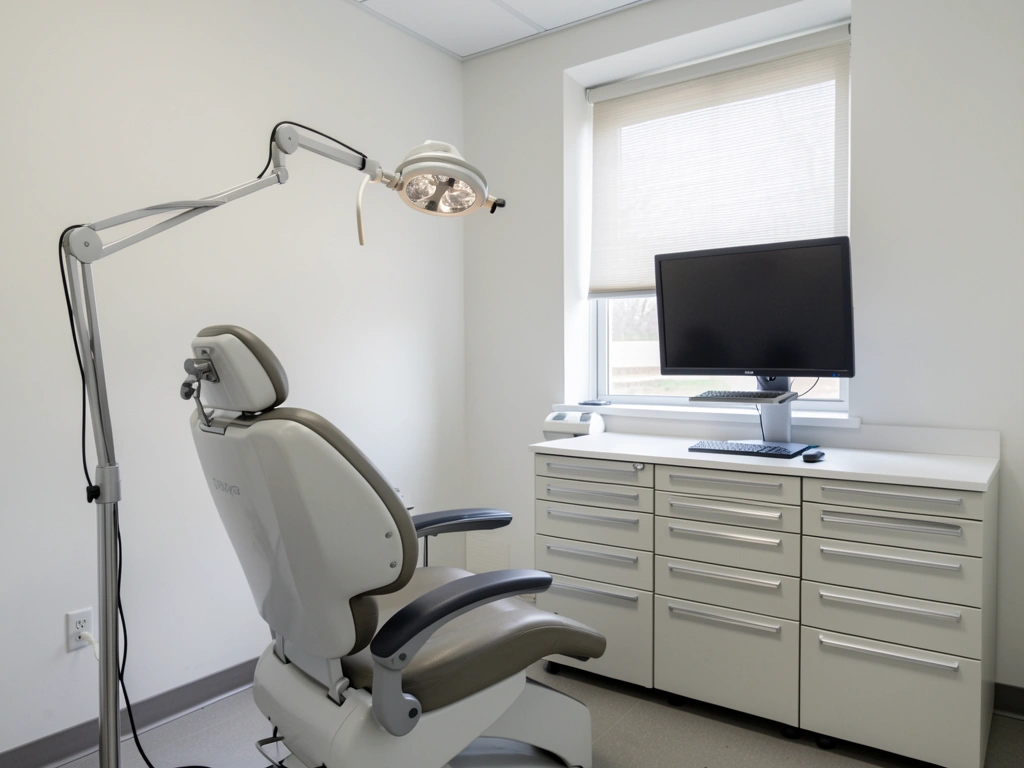
The specialist begins by asking what has been happening and for how long, then looks in the ears, nose and throat with a bright light. For a closer view inside the nose or at the voice box, a thin flexible camera may be passed gently through a nostril after a numbing spray; it feels odd for about a minute rather than painful, and you can ask to stop.
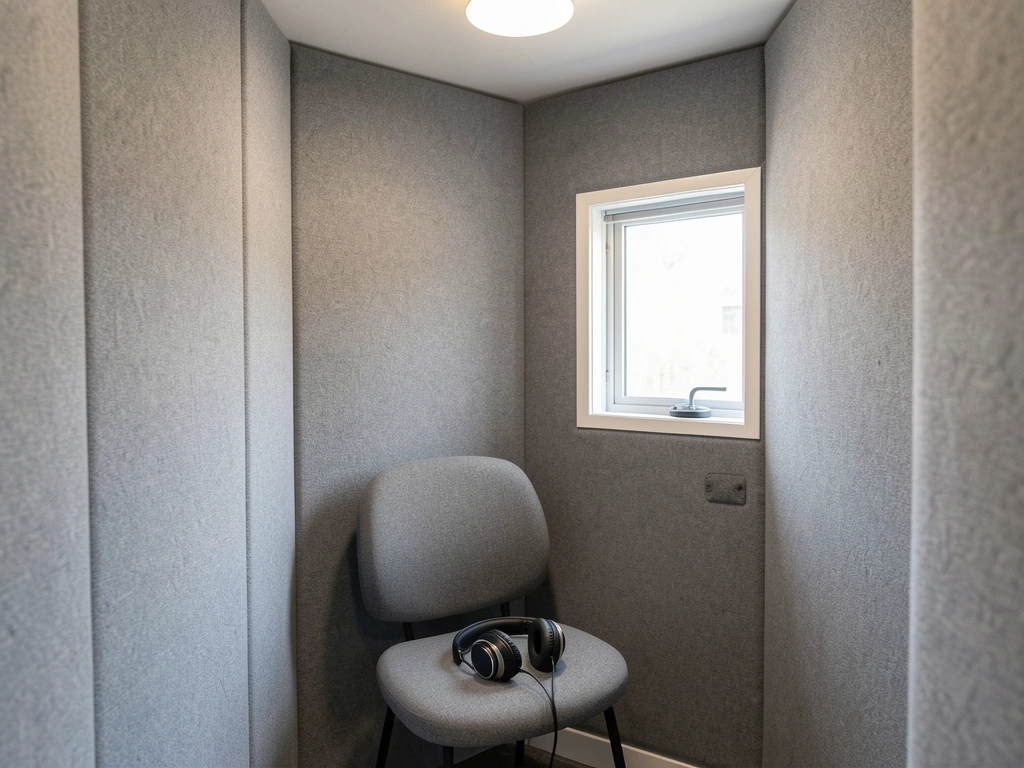
If hearing is part of the problem, a test in our sound booth can be done the same day. You leave knowing what was seen and which options make sense, from watching and waiting to medicines or surgery, with a letter for your own doctor if you want one.
People come to us with symptoms, not diagnoses. Find the one that sounds like yours.
Repeated ear infections, fluid behind the eardrum in children and ears that feel blocked, sore or full.
A gradual drop in hearing, ringing or buzzing in one or both ears, and hearing that seems muffled after a cold.
A blocked or runny nose that will not clear, sinus pain, nasal polyps and nosebleeds that keep coming back.
Repeated tonsillitis, large adenoids and the snoring or mouth breathing they can cause in children.
Hoarseness lasting more than three weeks, a strained voice from teaching or singing, and food that feels stuck.
Loud snoring, pauses in breathing at night and spinning dizziness that may come from the inner ear.
A hoarse voice for more than three weeks, a lump in the neck or hearing loss in one ear should always be checked by a doctor.
Sudden loss of hearing, difficulty breathing, a child who is drooling and cannot swallow, or a nosebleed that has not stopped after 20 minutes of firm pressure: dial your local emergency number, or head to the nearest emergency department, now.
Illustrative prices for patients paying for themselves. Surgery is always quoted in writing after a consultation.
from$220
Forty five minutes with an ENT specialist, examination included.
from$190
A longer, gentler visit, with the adult who brings them close by.
from$95
Tests in a sound booth, with results explained straight away.
from$240
A specialist and a speech therapist look at the voice box together.
Grommets, tonsil removal and sinus surgery are quoted in writing once you have been seen. Cover from insurers and public health services, and the need for a referral, vary by country and by policy.

Children are seen in a room with toys, picture books and a chair big enough for a parent and child together. The specialist explains each step to the child first, in words that fit their age, and shows the light and the tools before using them.
Glue ear, repeated tonsillitis and snoring are the commonest reasons children come to us. Watching and waiting is often part of the plan, and when grommets or tonsil surgery are suggested, you get written information to read at home before deciding anything.
Everything is on one floor above the pharmacy, reached by stairs or a lift big enough for a buggy.

Pick the appointment, say who it is for and suggest a date and whether mornings or afternoons are easier. Reception answers within one working day by phone or email, and tells you if your insurer or health service needs a referral first.
This form is not for emergencies. Sudden hearing loss needs a doctor today; breathing problems or bleeding that will not stop need your local emergency number.
The doctor showed our son the little light and let him hold the ear tool first. No tears, and the grommets were explained in words a six year old could follow.
The camera look was over sooner than expected, and the pictures on the screen made the polyps easy to understand. Options were explained, with no pressure.
Months of a hoarse voice, finally looked at properly. The recording from the voice clinic was a useful thing to take home and practise with.
It feels odd rather than painful. A numbing spray goes into the nose first, the camera is thinner than a drinking straw and the look takes about a minute. You can ask to stop at any time.
Not always. Glue ear often clears by itself over a few months, so watching and waiting with hearing checks is a common first step. If it lasts, or affects speech or school, the specialist talks through grommets and hearing support with you.
Breathing difficulty, a child drooling and unable to swallow, a nosebleed that will not stop with 20 minutes of firm pressure, or swelling of the face or tongue: call your local emergency number. Sudden loss of hearing should be seen by a doctor the same day.
Both, in many places. Paying for yourself, you can usually book directly; insurers and public health services often ask for a referral letter first, and those rules are set differently in each country.
Yes. The specialist checks the nose and throat for anything that narrows the airway and asks about pauses in breathing at night. Depending on what is found, the next step may be a sleep study, changes to daily habits, a mouth device or, now and then, surgery.
Yes, by specialists who see children every week and run the Saturday clinic. Appointments for children are longer, and a parent or carer sits beside the child the whole time.
Wrenford occupies the floor over a pharmacy on the main shopping street. A lift by the side door fits a buggy, and the play corner is just inside.
Rooms one floor up, over a pharmacy on the main shopping street, with a lift, a buggy park and a play corner in the waiting area
| Mon, Wed and Fri | 08:30 to 17:00 |
| Tue and Thu | 08:30 to 19:00 |
| Saturday, children | 09:00 to 12:00 |
| Sunday | Closed |
Sudden hearing loss needs a doctor the same day, even out of hours. For breathing problems, heavy bleeding or chest pain, call your local emergency number straight away.
This ent specialist website was built by AI from two sentences. Tell us about your business and yours is built the same way, with its pages, photos and booking in place, ready to preview in minutes.
About this sample page
Wrenford ENT Clinic is a fictional ear, nose and throat practice whose page welcomes children and adults in one calm voice. The opening view sets a headline for all ages beside three instant photos that drop and develop with the captions ears, nose and throat. A strip of quick facts and a plain account of the first appointment, camera check included, come next. Six kinds of problem, an emergency band, four priced appointment cards and a section for children carry the middle. A gallery, the request form, example reviews, six questions and the contact details complete the page. Taken in order, it moves a reader from a symptom to a booked visit without a single frightening word.
A real ENT clinic can keep this shape and swap in its own facts. Prices should be its actual starting fees, with surgery always quoted in writing after a consultation. The children's section should describe the clinic's real rooms and routines, and the ages it truly sees. Referral and insurance wording must follow the rules of the country where it works, since they vary widely. Emergency wording belongs in general terms, pointing to the local emergency number or an emergency department. With those changes the page becomes a gentle and accurate first contact for patients of every age.