Wildlife gardens
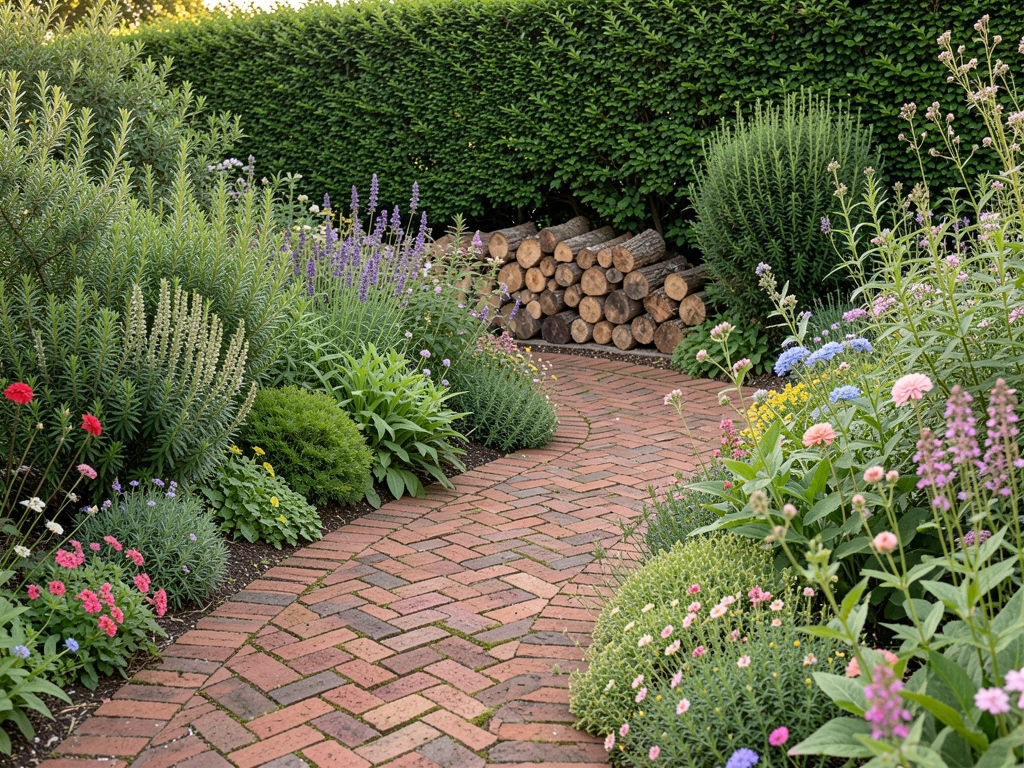
Layers of native trees, shrubs, climbers and flowers, with log piles, leaf litter and a small pond, so birds and insects find food and shelter all year.
Design and buildfrom $6,500
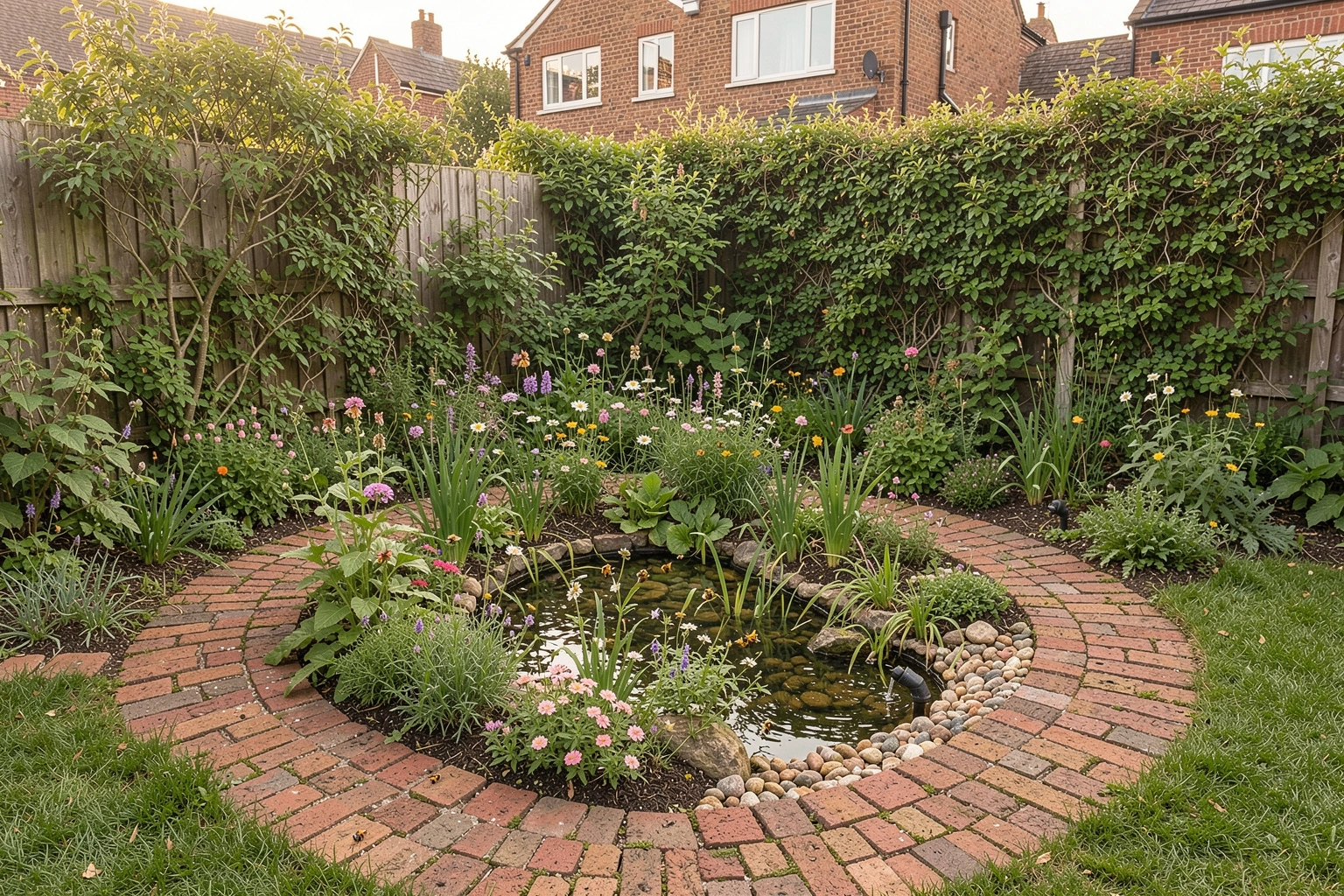
Wildroot designs and builds wildlife gardens, rain gardens and low water planting, using plants native to your region, reclaimed stone and brick, and the soil already on site. Every plan lists where each material comes from and how much watering the planting will need once it has settled.
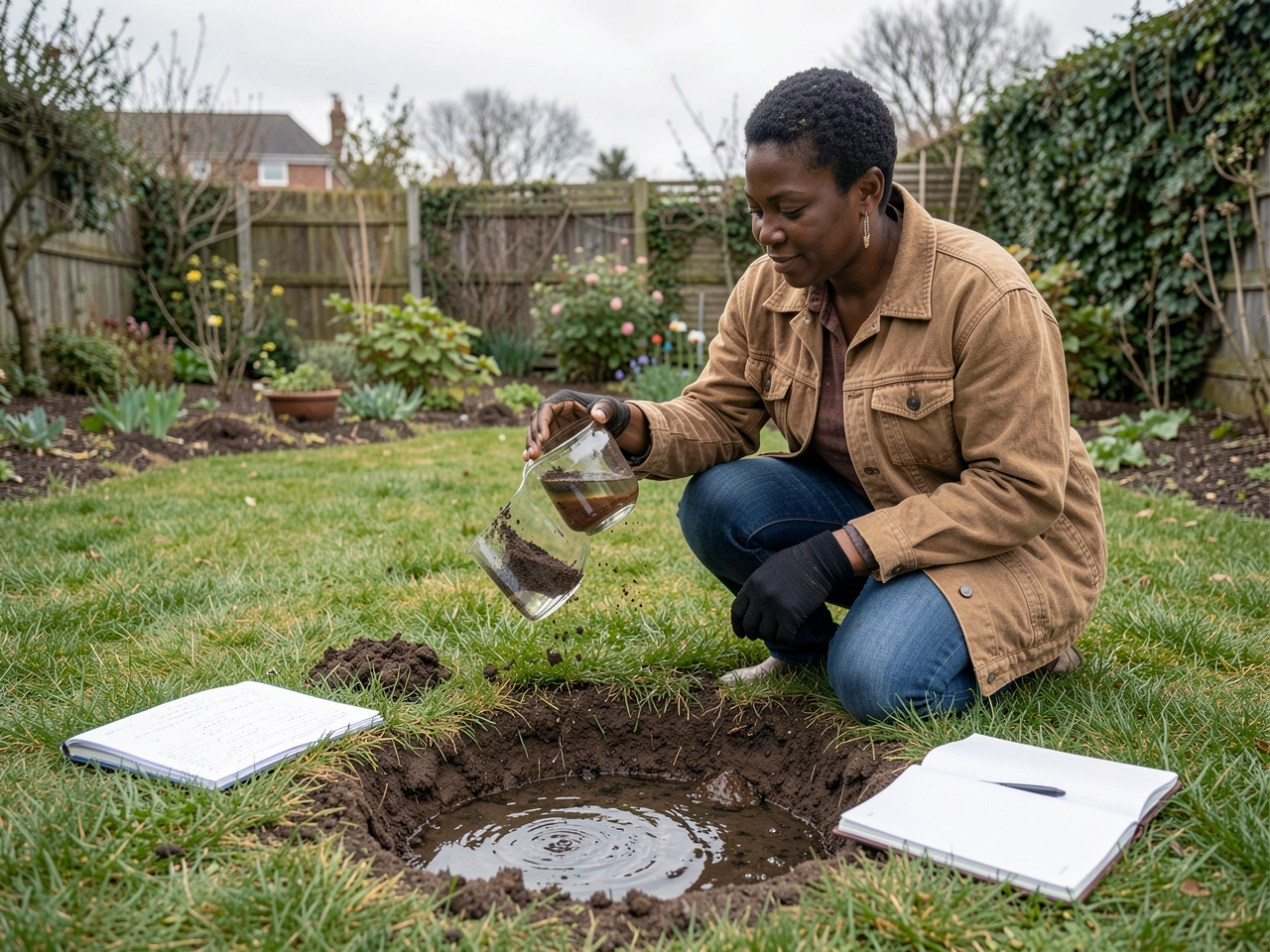
Every project starts with a half day survey. We dig test holes to see how fast water drains, take a soil sample for texture and acidity, map where the sun falls through the day, and note the birds, insects, frogs and small mammals already using the garden.
Those notes decide the design. Clay that holds water suits a rain garden and moisture loving natives, while dry, sandy ground suits gravel planting that needs very little watering once it is established.
Most gardens combine two or three of these. Prices are examples in US dollars for a typical small garden, confirmed after the survey.
Layers of native trees, shrubs, climbers and flowers, with log piles, leaf litter and a small pond, so birds and insects find food and shelter all year.
A shallow planted hollow that takes water from a downpipe and lets it soak away slowly, planted with natives that cope with both wet spells and drought.
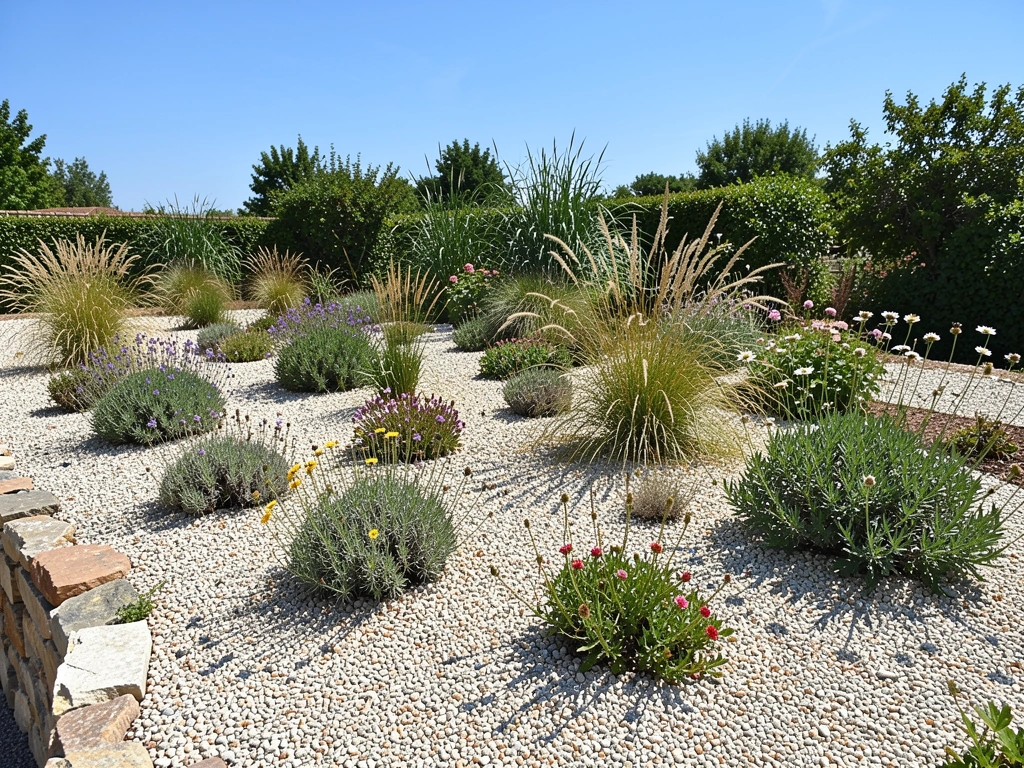
Gravel and dry garden borders chosen for your rainfall, mulched to keep moisture in and watered only while the roots establish.
Part of a lawn turned into flowering meadow, either by changing how it is mown or by lifting turf and sowing a native seed mix suited to the soil.
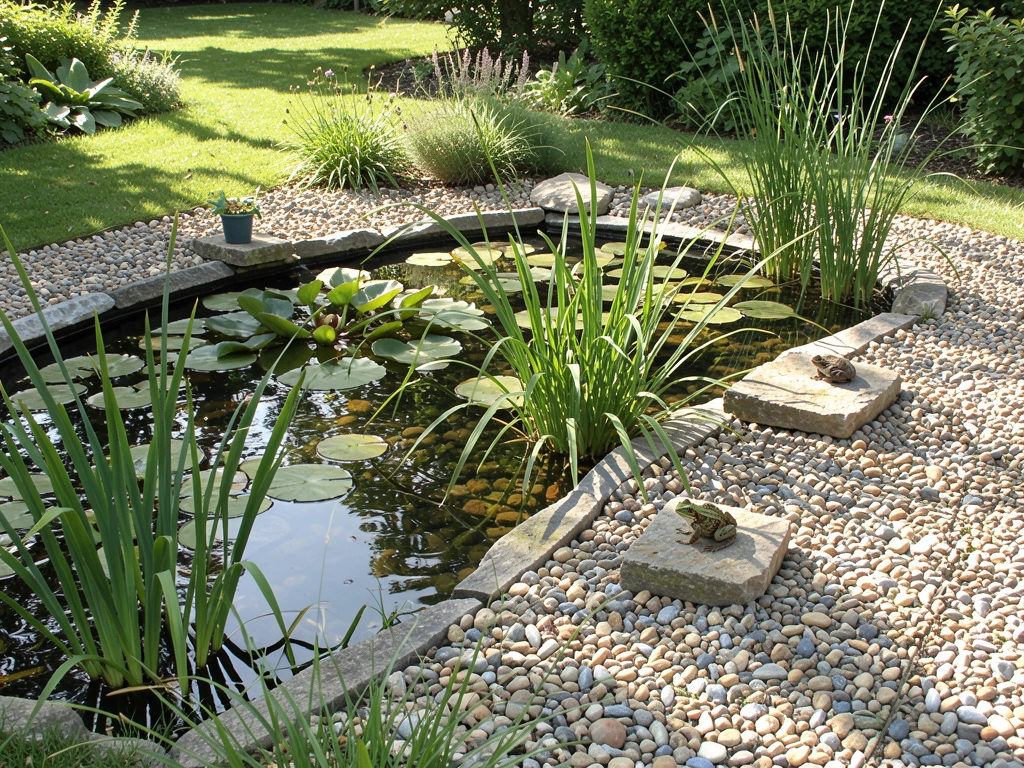
Shallow edged ponds without fish, with a beach so animals can climb out and native water plants, filled with rainwater rather than tap water where possible.
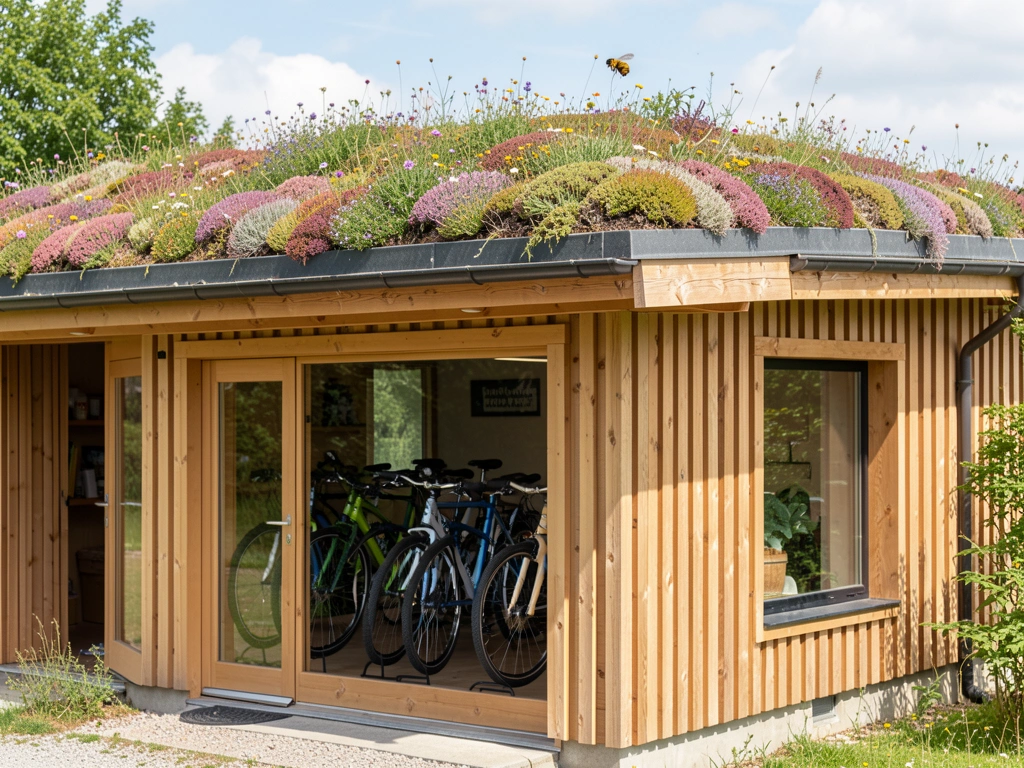
Sedum and wildflower roofs on sheds, bike stores and garden rooms, built only after a check that the structure can carry the weight when wet.
Many gardens send roof and patio water straight down the drain, then need a hose all summer. These are the ways we slow it, store it and let it soak in. Rules on using rainwater and on drain connections are set nationally in some countries and locally in others, so each site is checked before we design.
| Feature | What it does with water | Where it suits |
|---|---|---|
| Rain garden | Takes the water from one downpipe and lets it soak in over a day or two | Ground that drains at least slowly, several metres from the house walls |
| Water butts and tanks | Store roof water for watering through dry spells | Under any downpipe, with the overflow led to a rain garden |
| Permeable paths and drives | Gravel, reclaimed setts with open joints or planted grids let rain through instead of off | Drives, paths and patios that would otherwise be sealed |
| Swales | Shallow planted channels carry heavy rain slowly across the garden | Sloping gardens and long, narrow plots |
| Mulch and dense planting | Bark, leaf mould or gravel keeps the soil moist, and close planting shades it | Every bed we plant |
| Drip lines on a timer | Water at the roots only, for the first one or two summers while plants establish | New planting in dry spots, switched off once roots are deep |
We never promise a garden that needs no water at all. Once established, native and dry planting usually needs watering only in long dry spells, and your plan says which plants will show it first.
Native means native to your own region, so the plant list changes from one garden to the next. These details work in almost any garden.
A plant from elsewhere goes in only when it earns its place, for example one that flowers for pollinators at a time when nothing native is in bloom. Species listed as invasive where you live are never planted.
Example prices in US dollars. The survey fee comes off any design and build booked within three months.
from$480
from$5,800
a visit, from$95
Larger builds are paid in stages agreed in the quote. Planting seasons can move a start date by a few weeks, and we say so before you book.
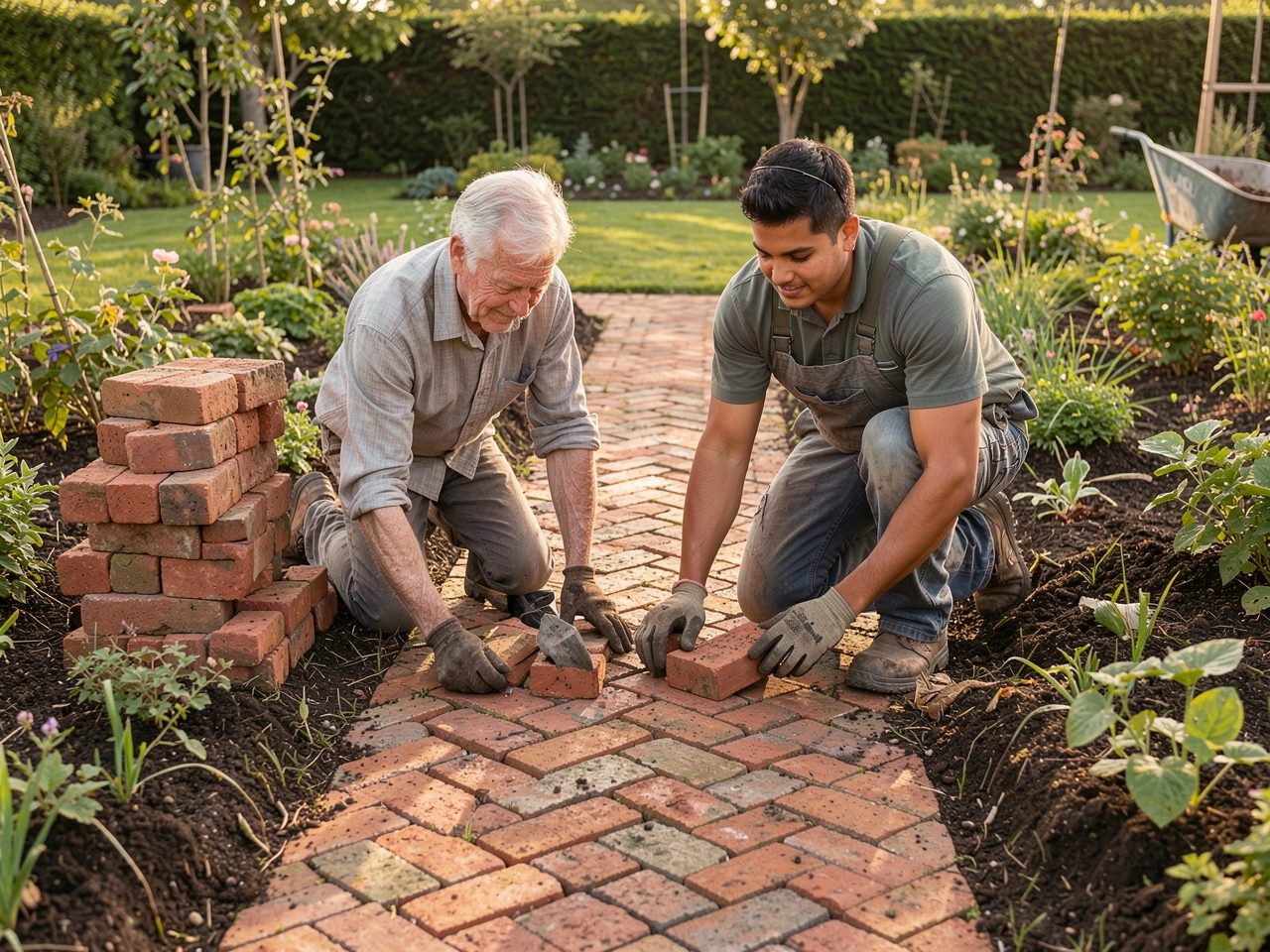
Paths, walls and edges are built from reclaimed brick, stone and timber from salvage yards near you whenever the right material can be found. When something has to be new, the plan says why and where it came from, instead of hiding behind a label.
Topsoil stays on site and is reused, lifted turf is stacked to rot down into loam, and the compost we bring in is made without peat. We do not lay plastic grass, put weed membrane under planting or treat timber with anything that harms pond life.
Photographed with the owners’ permission, once the planting had filled in.
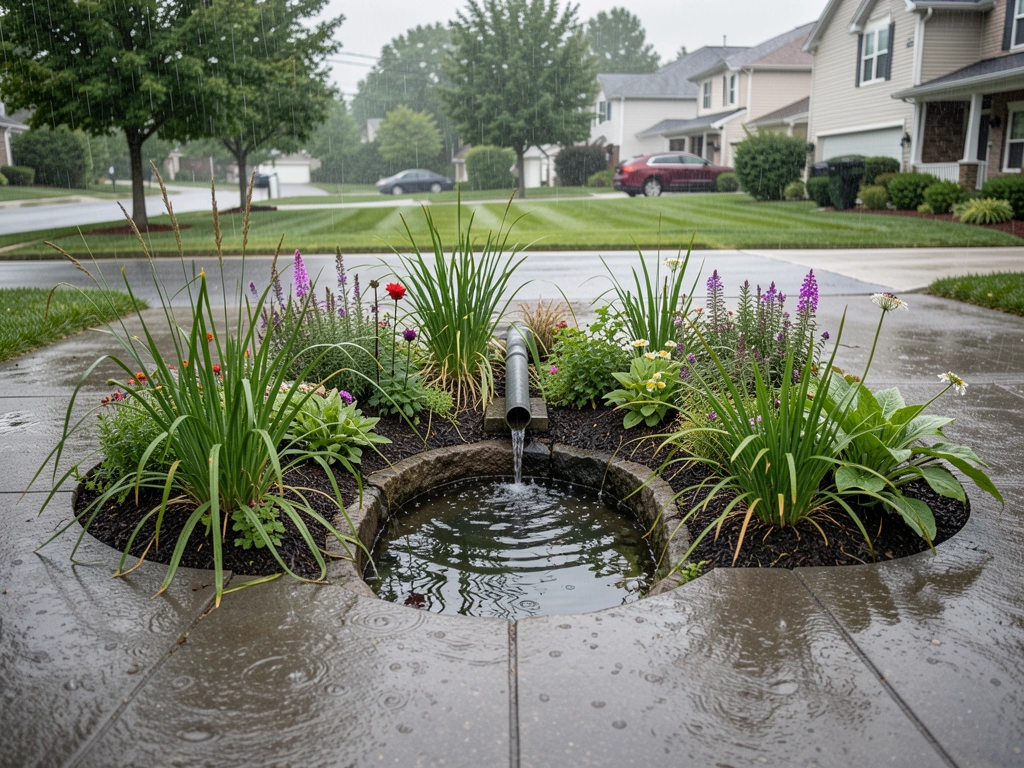
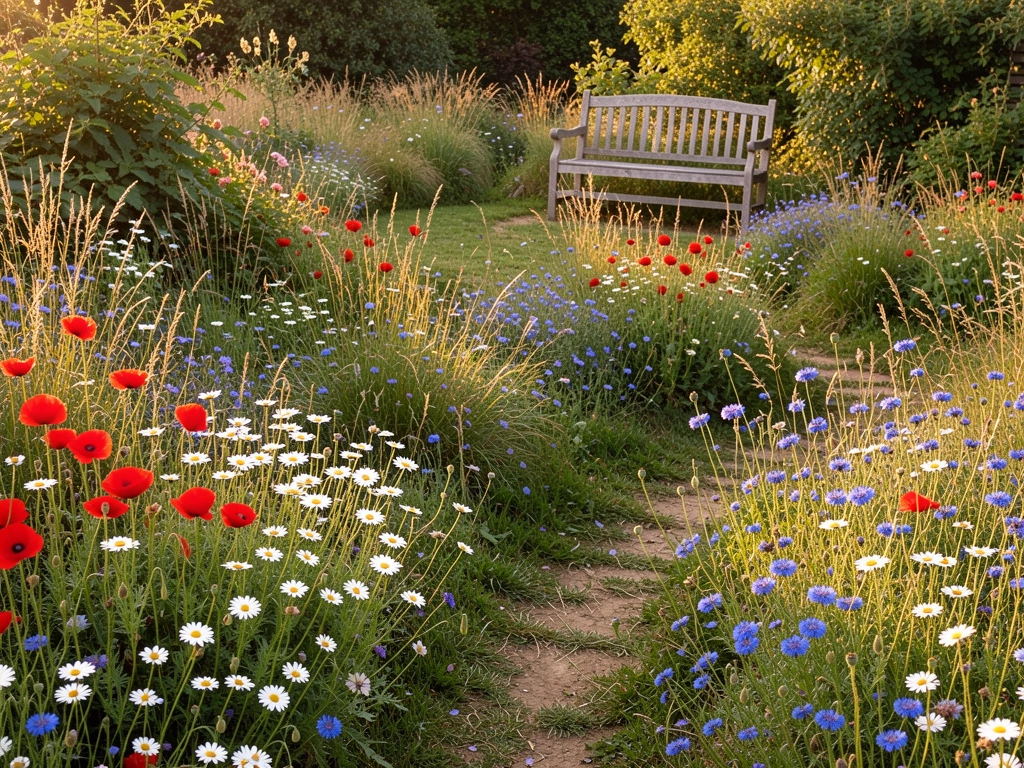
The downpipe used to flood the patio every winter. Now it fills the rain garden, which is full of flowers by June and drains again a day after the rain stops.
They talked us out of a pond under the trees and into one in open sun, and the first frogs turned up the following spring.
Half the lawn is meadow now and mowing takes a fraction of the time. The survey note had warned that the first year would look thin, and it did, then filled out.
It does not have to. We keep crisp edges, mown paths and a neat area near the house, and let the wilder planting sit further out, so the garden looks cared for while it feeds wildlife.
In their first one or two summers, yes, while their roots establish. After that, plants matched to your soil and rainfall usually need water only in long dry spells, and the plan names the ones that will show stress first.
Not when it is placed and sized properly. We site it several metres from walls, test how fast the soil drains and give it an overflow route, and we will not build one where testing shows the ground stays waterlogged.
Sometimes. Rules on paving front gardens, on drainage and on building near boundaries vary from country to country and between local authorities, and what applies to your site is confirmed before the design is final.
Healthy trees, hedges and shrubs stay wherever they fit the design, topsoil is reused on site, and plants we lift are offered back to you or rehomed.
Surveys and design go on all year. In most temperate climates planting happens in autumn or spring, when the ground is moist and roots settle quickly, so a summer enquiry is usually planted in early autumn.
Describe the garden as it is today and the job you want it to do. A designer replies inside two working days, offering survey dates and the fee that matches your plot.
The studio answers on weekdays. In the planting seasons most of the team is outdoors, so leave a message and a designer calls you back.
| Monday to Friday | 08:30 to 17:30 |
| Saturday | Site visits by appointment |
| Sunday | Closed |
Gardens within about an hour of the city. We keep journeys short on purpose, so plants come from nurseries and salvage yards nearby and the van spends less time on the road.
This eco landscaper website was built by AI from two sentences. Tell us about your business and yours is built the same way, with its pages, photos and booking in place, ready to preview in minutes.
About this sample page
Wildroot Eco Landscapes is a made up garden firm, and its page shows how an eco landscaper might present native planting and rain gardens on AI Web Maker. Petals drift across a photo of a wildlife garden at the top, and the first section describes a survey with drainage tests rather than a sales promise. Six kinds of garden follow with example prices, then a table of where the rain goes in each feature. Wildlife details, three ways to work and a section on reclaimed materials with named sources come after that. Each part replaces a vague claim with something a homeowner can check.
An eco landscaper on AI Web Maker describes its gardens, region and sourcing, and is handed back a draft page carrying an enquiry form ready to be reworded. Building and previewing cost nothing; hosting starts once the page is live and runs to $119 over a year, or $19 in any month paid on its own, plus the price of the domain ending. Notes lower on the sample page explain why the survey comes first, why the water table admits its limits and why native is defined by region. They also cover the materials section, the staged prices and the reviews from three gardens. A real studio could follow the same path and plant its own species, places and projects along it.