New walls and ceilings
Stud walls, ceilings and loft rooms boarded with the right sheet for each space: standard board, moisture resistant board for bathrooms, and fire rated board where the rules ask for it.
Boarded and finishedfrom $46 per m²
Plasterboard hung, taped and finished, tired walls skimmed, and cracks, holes and water stains repaired until nobody can find them. Floors are sheeted, dust stays in one room, and the price is agreed before the first bag of plaster is opened.
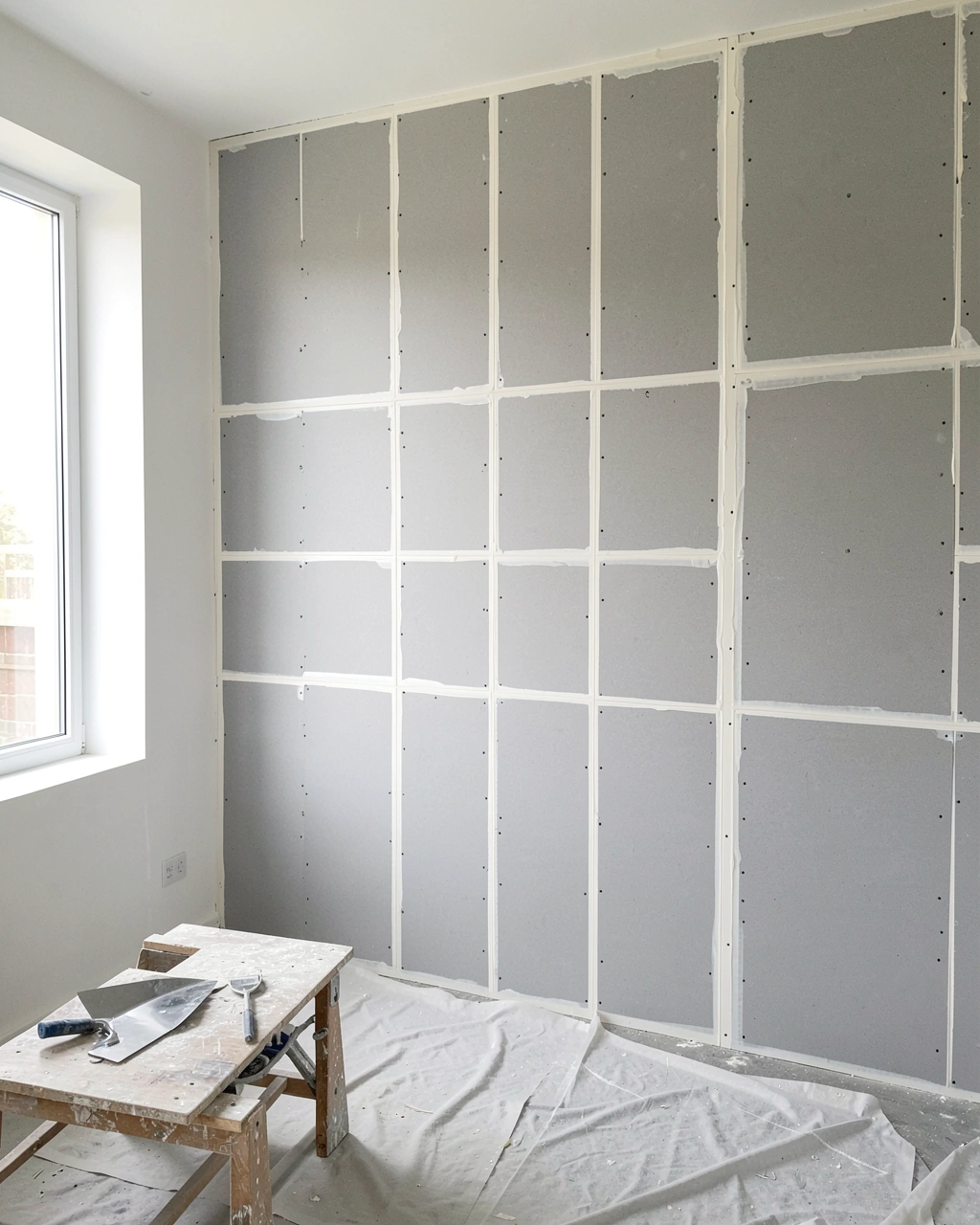
Prices are for labour and materials at a ceiling height of up to 2.7 m. Every job is measured and priced on a visit before any work begins.
Stud walls, ceilings and loft rooms boarded with the right sheet for each space: standard board, moisture resistant board for bathrooms, and fire rated board where the rules ask for it.
Joints taped and filled in three thin coats, screw heads spotted, corner beads set straight, and the lot sanded flat for paint.
A thin coat of finishing plaster over old, patchy or painted walls and ceilings, trowelled to one smooth, even surface.
Holes from old fittings, door handles and pipe work cut back square, backed, patched and feathered wide so the repair vanishes under paint.
Ceiling and corner cracks opened up and bridged with mesh tape, after we find the loose board or the movement behind them.
Once the leak is fixed and the area has dried out, stained or sagging board is cut out, replaced and finished to match the ceiling around it.
Older houses with lath and lime plaster are repaired in lime rather than gypsum, so the walls can keep breathing. Those jobs are priced on a visit.
Light from a low window or a wall washer shows every ridge. Tell us how the room is lit, and we suggest the finish that hides the joints in that light.
| Finish | What you see after painting | Where it suits |
|---|---|---|
| Taped, one coat | Joints still visible, no sanding | Garages, plant rooms and walls that will be tiled |
| Three coat finish | Joints and screws hidden under matt paint | Bedrooms, hallways and most living spaces |
| Full skim | One even surface with no change in texture | Low side light, satin or gloss paint, wall washers |
| Patch and feather | A repair blended into the wall around it | Sound walls with a hole, a dent or a crack |
| Lime plaster | A soft surface with a gentle hand made wave | Solid brick or stone walls in older houses |
Many countries publish their own scale of finish levels for plasterboard. Our quotes use the local scale and explain it in plain words.
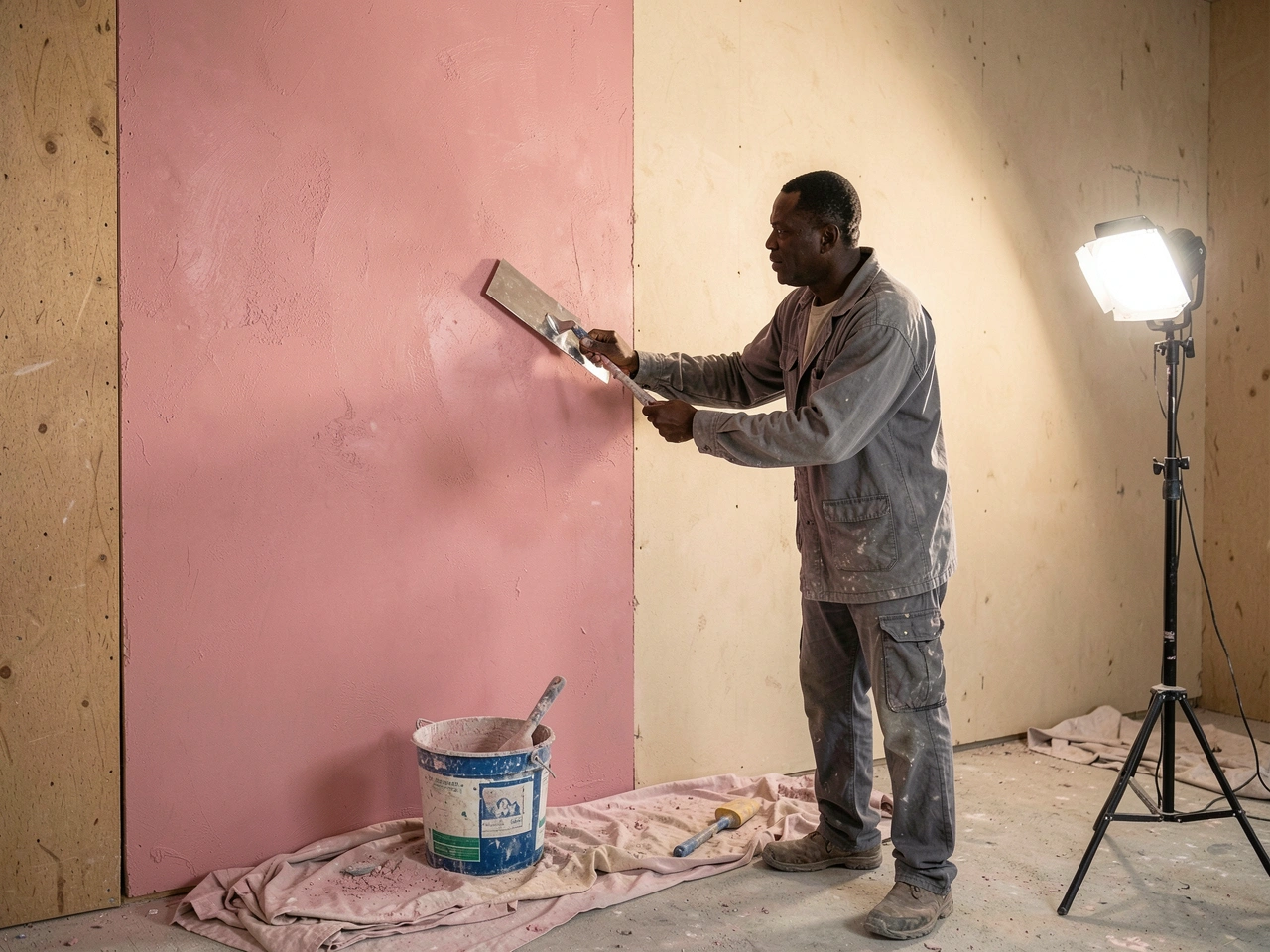
A patch shows when it is small and stands proud of the wall. We cut damaged board back to a clean square, back it, fill it in thin coats and feather each coat wider than the last, then hold a lamp flat to the wall and look along it before anyone paints.
Textured ceilings are matched with the tools that made them, or skimmed flat if you would rather lose the texture. In houses of a certain age the old coating can contain asbestos, so we arrange a test first wherever the local rules call for one.
Rooms photographed in daylight before the decorators arrived, when the light is least forgiving.
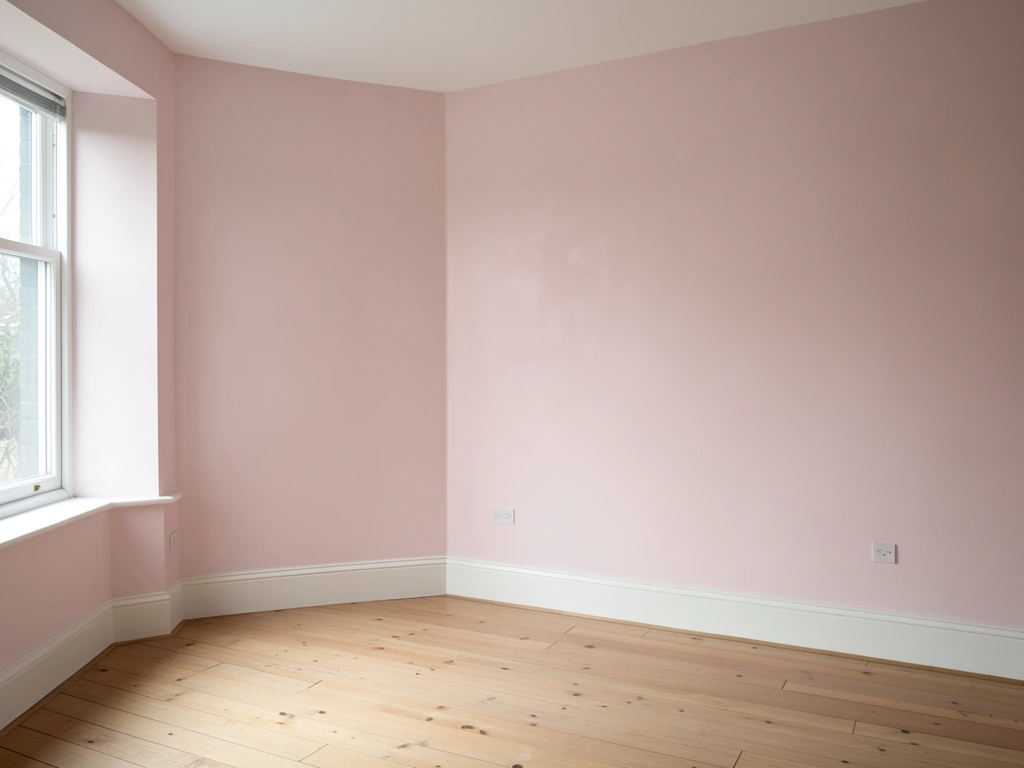
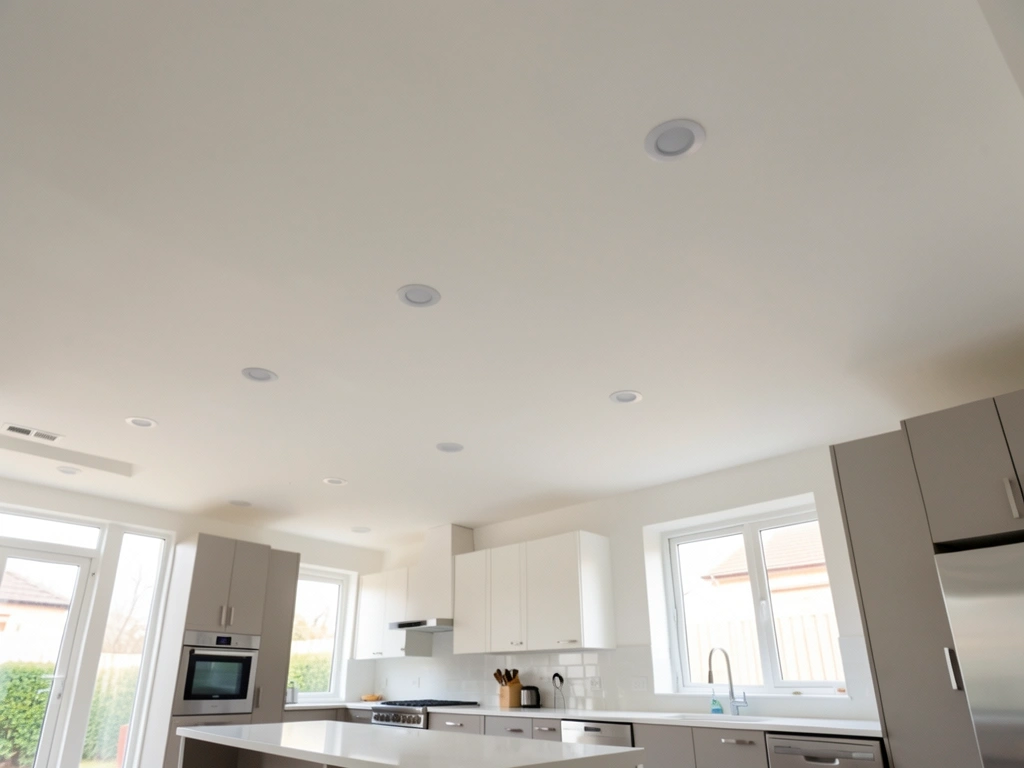
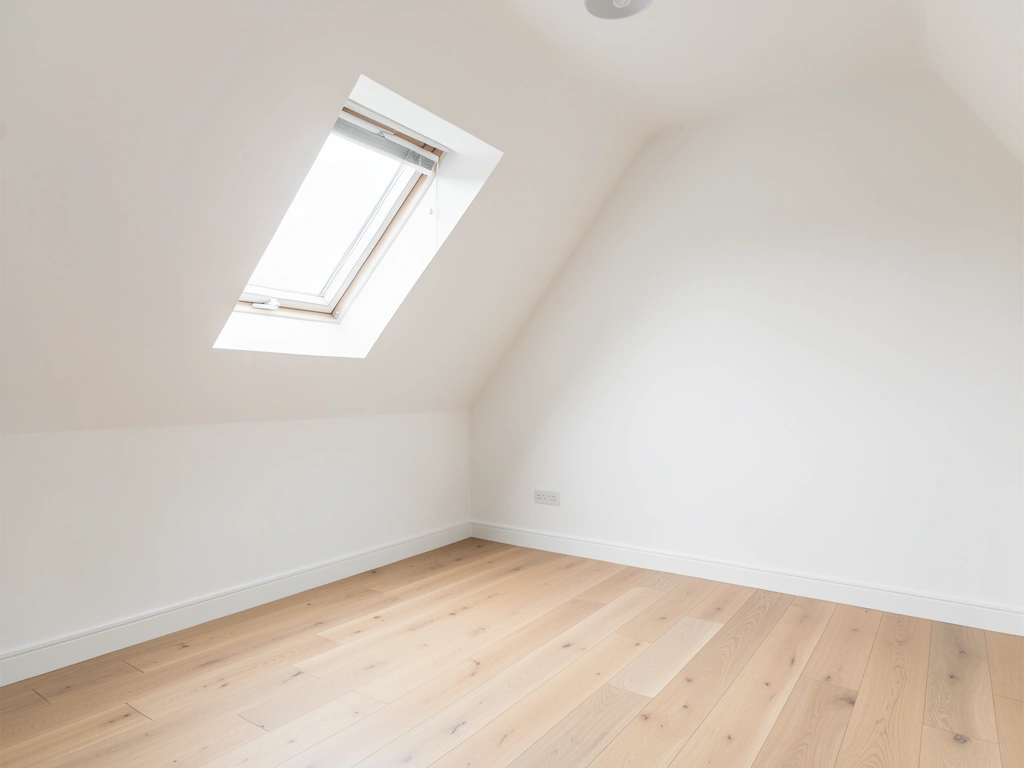
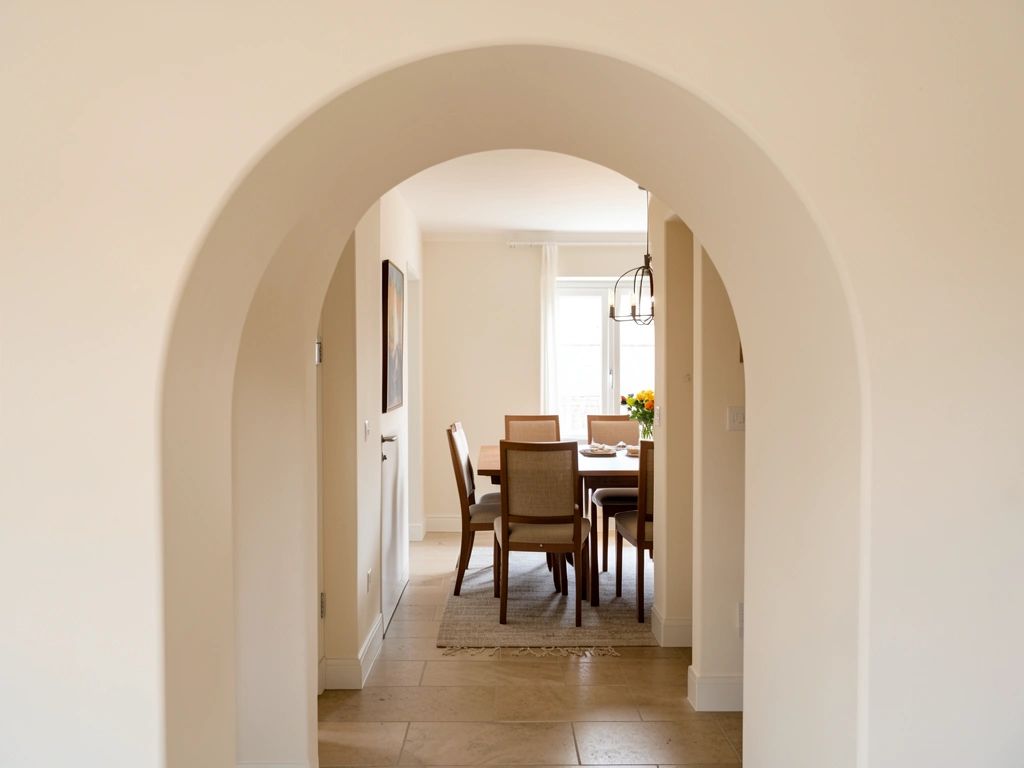
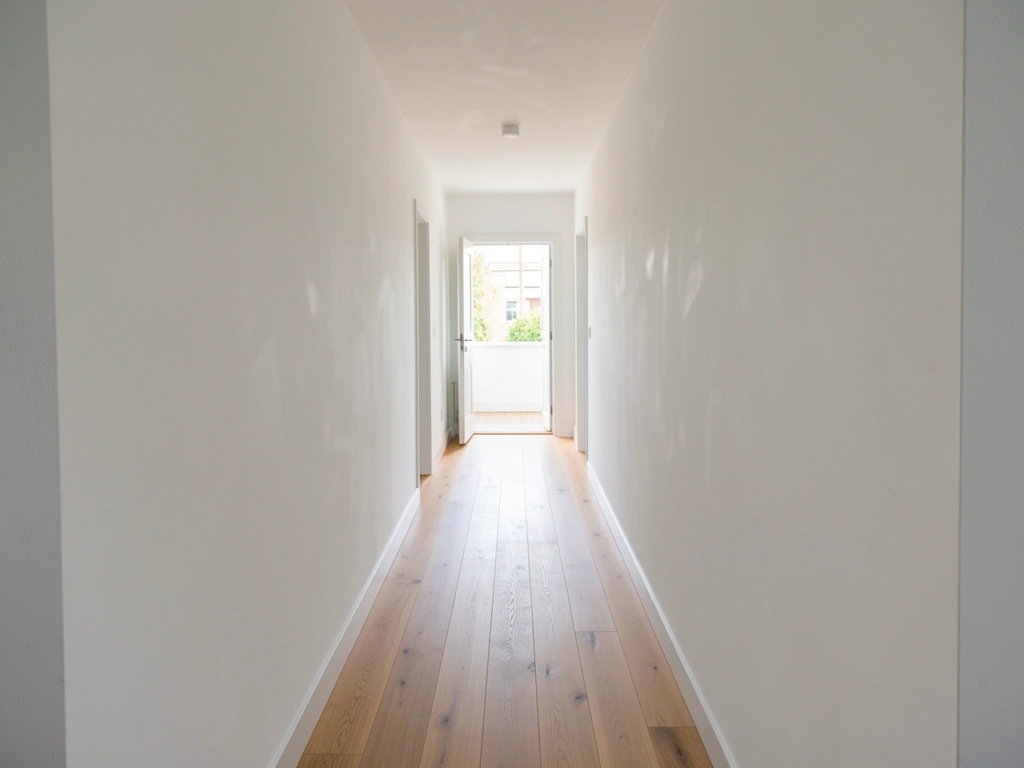
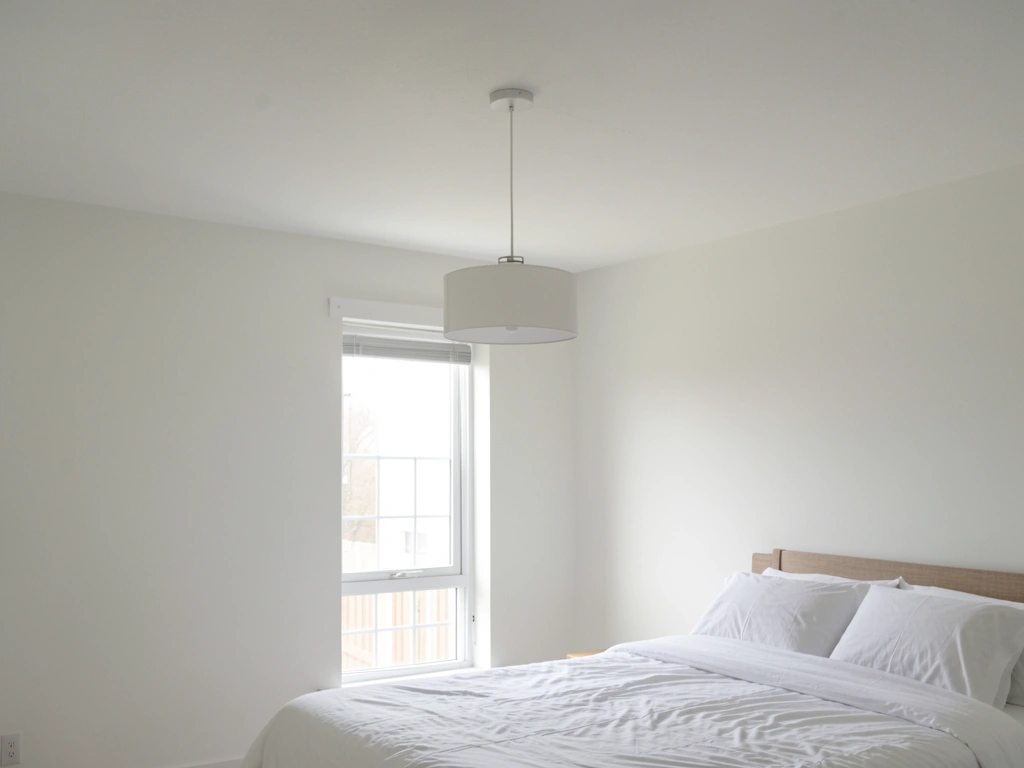
Most single room jobs take two to four days, because each coat has to set before the next one goes on.
We look at the walls with a lamp, check for damp and movement, measure up, and send a written price within two working days.
Floors and stairs sheeted, furniture moved or wrapped, and a dust screen hung across the doorway of the room we work in.
Boards fixed to the studs or battens, joints taped, and each coat left to set properly before the next is applied.
Sanded with dust extraction, checked under a lamp, touched up, vacuumed and handed back ready for a mist coat.
The ceiling crack had been filled three times by other people. This crew opened it up, found a loose board, screwed it back and taped it properly. Two winters on, the crack has not returned.
A whole floor of patchy old walls skimmed in a week. The dust screen at the door kept the rest of the house clean, and the walls look flat even with the evening sun across them.
Our loft conversion needed fire rated board and a moisture resistant shower wall. They explained which sheet went where, finished on the promised day, and the decorator found nothing to fill.
Fresh skim plaster turns from dark to pale pink as it dries, which usually takes three to seven days depending on the weather and the heating. Start with a mist coat of watered down matt paint. Jointing compound on new board can be painted the day after the last sanding.
Sanding makes fine dust, so we sand with extraction, hang a dust screen across the door and vacuum at the end of every day. A skim coat needs very little sanding, which is one reason it suits homes that stay lived in during the work.
Most textures can be matched with the tools that made them. In older houses the texture may contain asbestos, so we arrange a test before anything is scraped or sanded. Rules on testing and removal differ from country to country, and we work to the local ones.
A simple stud wall inside a home often needs no permit, but walls that change an escape route, separate a garage or form a shared wall can. Building rules vary by country and city, so check with the local building office. We fit fire rated and moisture resistant board wherever the plans call for it.
We hand the room over ready for paint. A mist coat can be added for $60 a room, and for full decorating we can recommend painters we work alongside often.
Jobs under $1,500 are paid for when they are finished. Larger jobs take a 20 percent deposit to hold the start date, with the balance due on the last day, and payment is settled with our office directly.
Tell us which rooms need work and what is wrong with the walls. We answer within a working day and book a visit, usually that same week.
The office picks up during the hours below. Outside them, leave a message and someone rings back the next working morning.
| Monday to Friday | 07:30 to 17:30 |
| Saturday | 08:00 to 12:00 |
| Sunday | Closed |
Houses, flats and offices across the city and the towns within 30 km. Jobs further out carry a travel charge, shown on the quote before you agree to anything.
This drywall contractor website was built by AI from two sentences. Tell us about your business and yours is built the same way, with its pages, photos and booking in place, ready to preview in minutes.
About this sample page
Smooth Finish Drywall and Plaster is a made up firm whose single scrolling site demonstrates how a plastering contractor can present boarding, skimming and repairs on AI Web Maker. The hero shows a taped wall turning into a skimmed one, which says what the firm does without a paragraph of text. Prices per square metre and per patch follow, then a finish table that relates smoothness to the light in each room. A repair section deals with cracks, holes and textured ceilings, including a calm word about asbestos testing. Together these parts answer the questions a homeowner usually saves for the site visit.
Plasterers who build on AI Web Maker describe their services and the area they cover, and the builder drafts a site with service cards and an enquiry form. Enquiries land by form or by phone, and the plasterer settles the price and the payment with each client. Once a plastering site is published, hosting costs $119 a year or $19 monthly and the domain sits on top, while the building stage brings no bill at all. Notes on this page give the reason each block sits where it does. A firm can swap in its own rooms and prices and keep the same order.
The whole sample website of a drywall contractor, explained ·