First Steps
a term$150
- Games, movement and storytelling
- Confidence and listening before scripts
- A short showing for families in week 12
Limelight runs weekly acting classes for children from five, for teenagers and for adults, with a show at the end of every term and one to one coaching for auditions. Book a trial class and see the work before you sign up for a term.
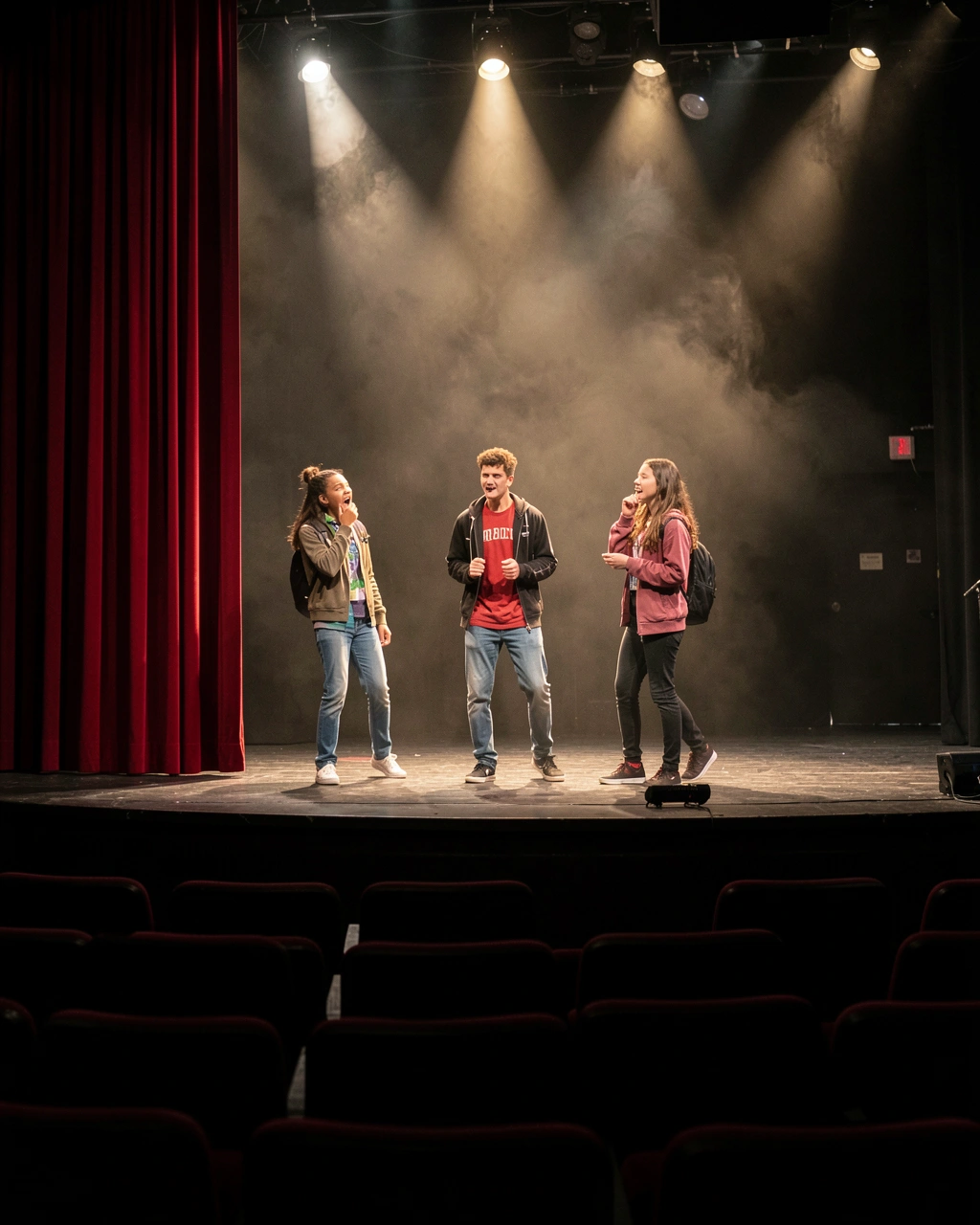
Terms run for twelve weeks, with a showing or a show in the last week. Every class is led by a teacher who has worked as an actor or director, with an assistant in each children's class.
a term$150
a term$190
a term$210
a term$240
A trial class costs $15, taken off the term fee if the student joins. Term fees can be paid at once or in three monthly parts, and a place can be cancelled with a full refund before the third class.
Classes follow local school terms. Please arrive ten minutes early so children can be signed in before the class begins.
| Day | Class | Ages | Time |
|---|---|---|---|
| Tuesday | Youth Theatre | 13 to 18 | 18:00 to 20:00 |
| Wednesday | Juniors, after school | 8 to 12 | 16:30 to 18:00 |
| Thursday | Adult Evening Course | 18 and over | 19:00 to 21:00 |
| Saturday | First Steps | 5 to 7 | 9:30 to 10:15 |
| Saturday | Juniors | 8 to 12 | 10:30 to 12:00 |
| Saturday | Audition coaching, one to one | 12 and over | 13:00 to 17:00 |
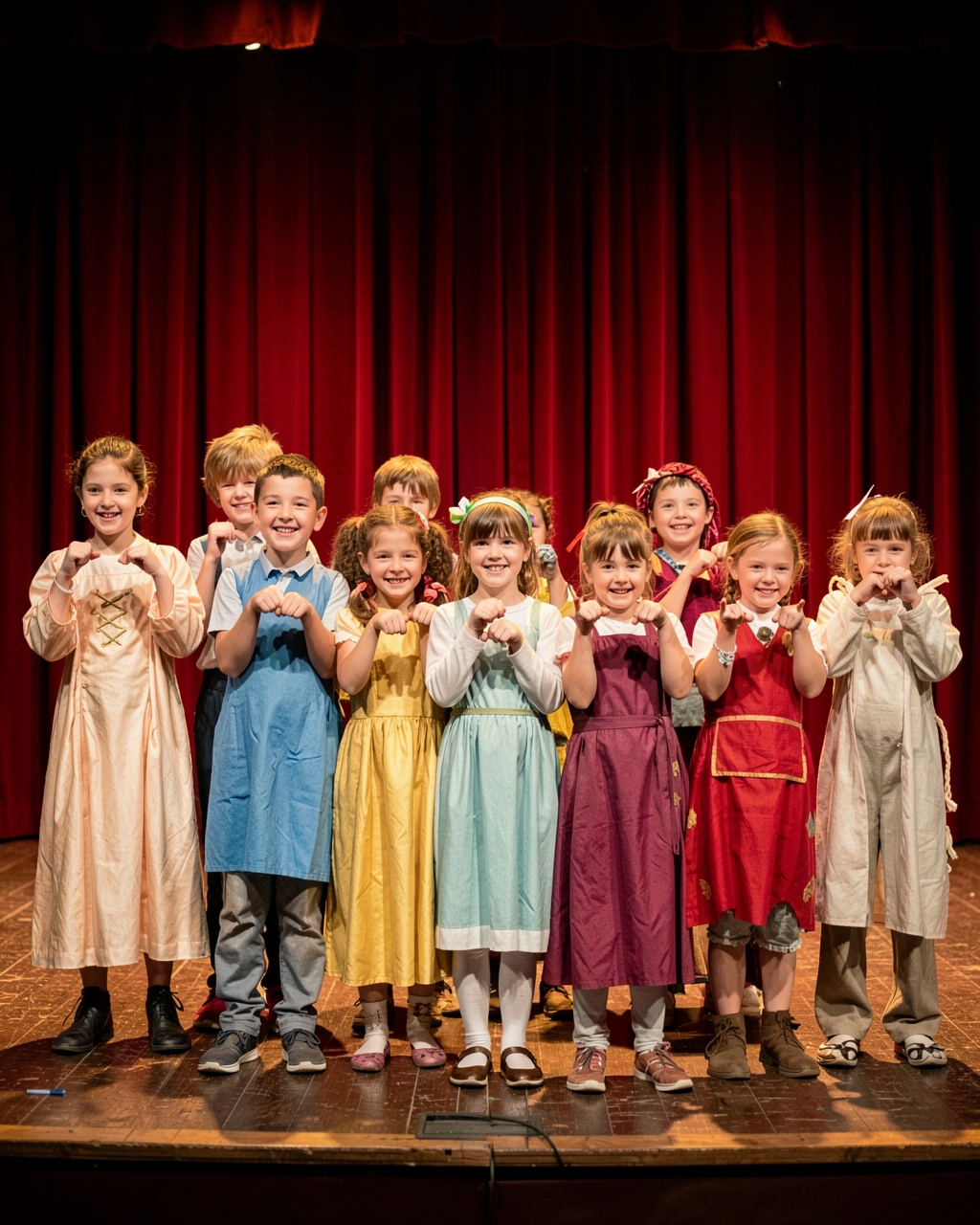
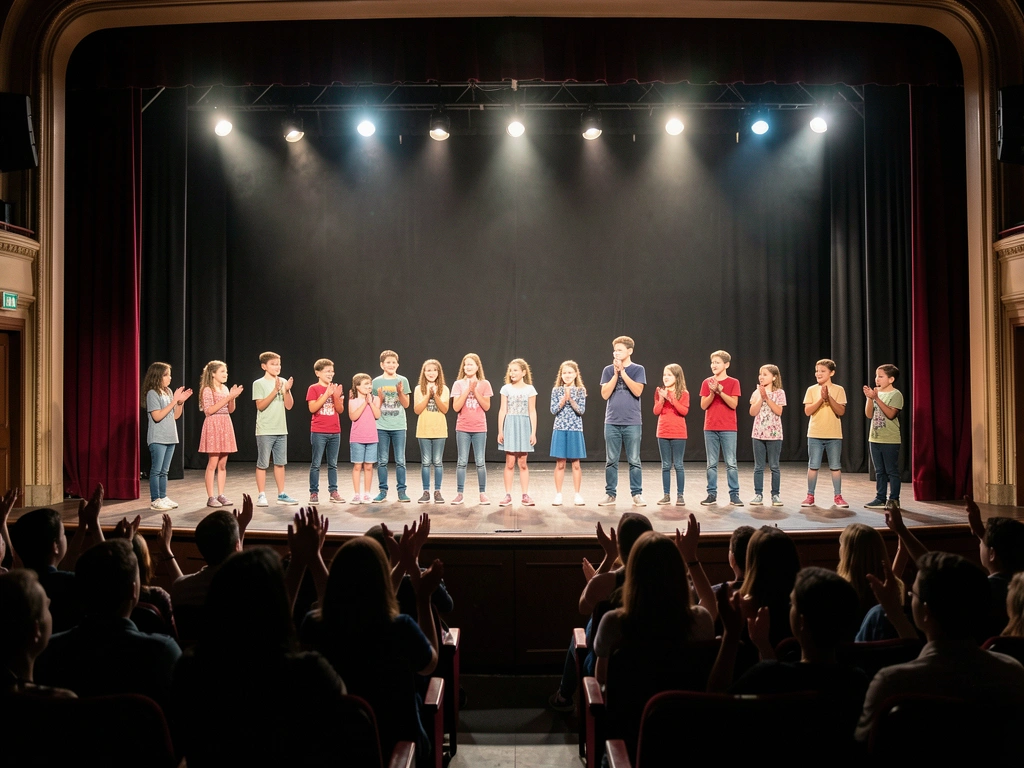
Every term ends with an audience. Juniors and Youth Theatre perform at a local theatre with lights, sound and costumes, while First Steps share a short piece with families in the studio, so the youngest never face a full house before they are ready.
Every student who wants a speaking part gets one, and those who would rather work backstage help with props, lighting and stage management. Family tickets cost $8 and go on sale three weeks before the show.
Families trust us with their children in a building full of dark corners, ladders and excitement. These rules apply at every class and every performance.
Every teacher, assistant and chaperone is background checked before working with children and trained in safeguarding each year. Our safeguarding lead, named on the noticeboard, attends every class and show, and a trained first aider is in the building whenever children are.
Children under 12 are signed in and out by a parent or another named adult. Older students leave on their own only with a parent's written permission, and nobody leaves a class early without a call to the office.
On show nights children wait with a chaperone in a dressing room for their age group and are never alone with an adult. Where the law asks for licensed chaperones or performance licences for children, we arrange them; these rules vary from country to country.
We photograph and film shows only with written consent from each family, and we never publish a child's full name. Parents are asked not to post pictures of other people's children online.
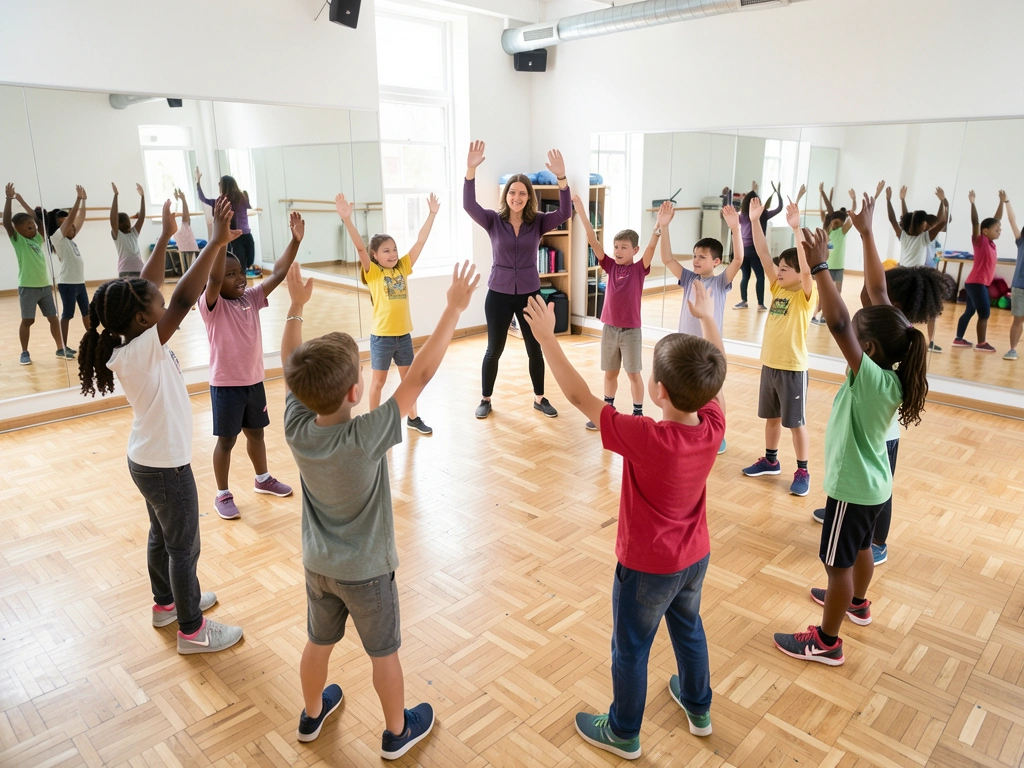
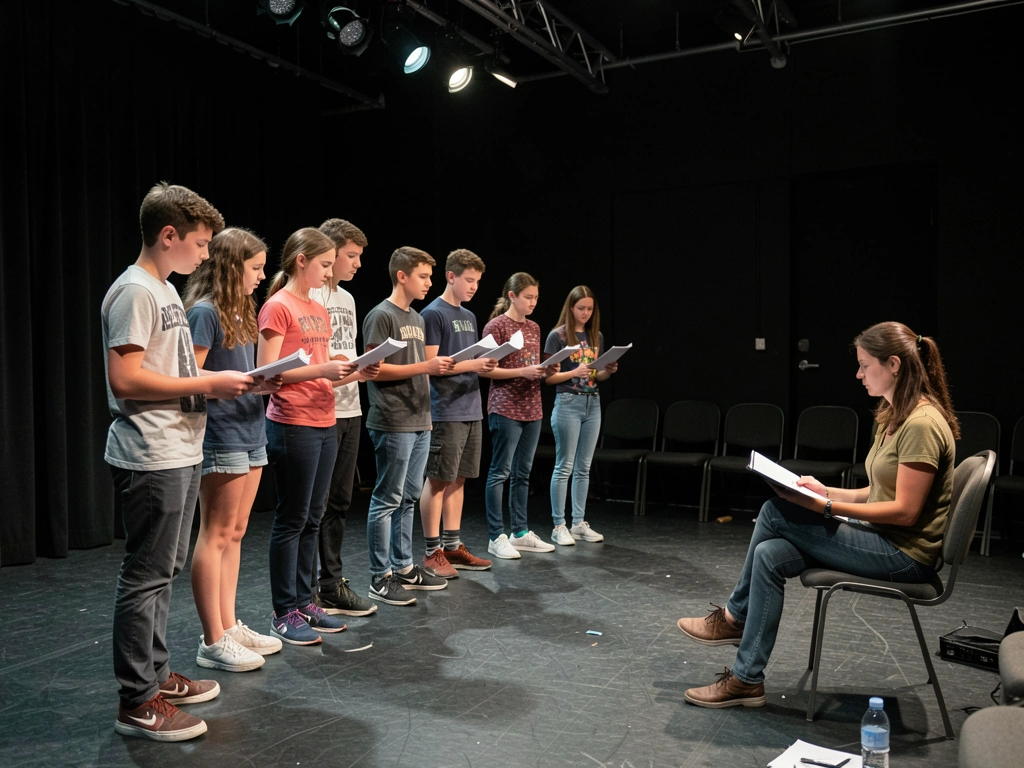
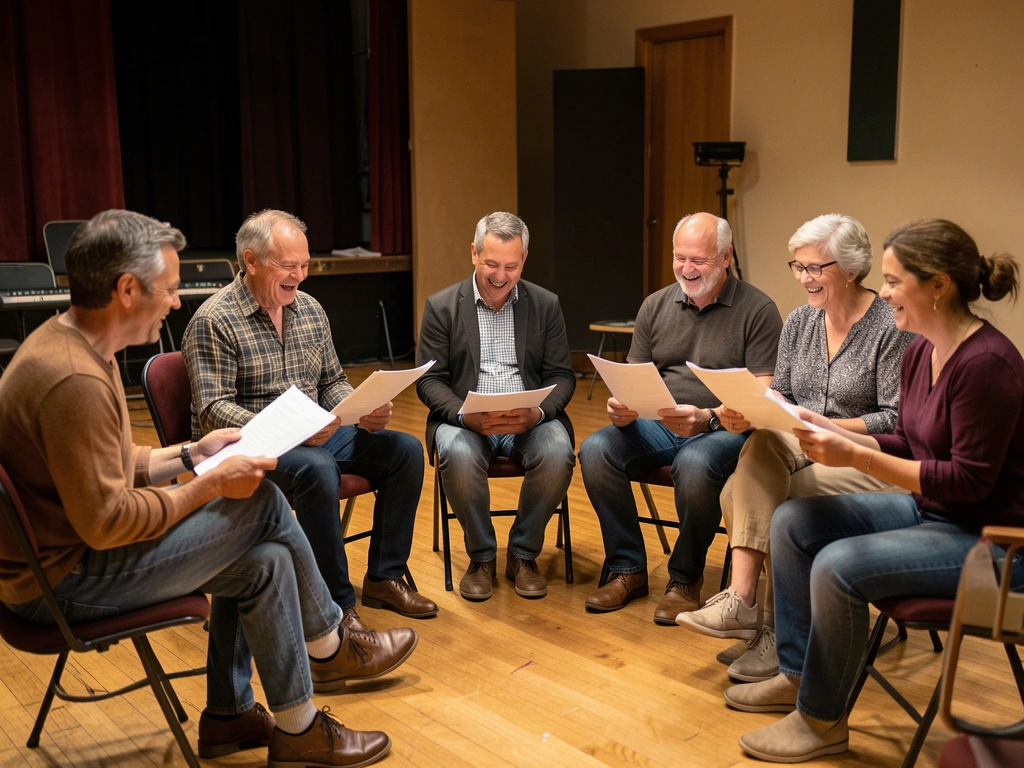
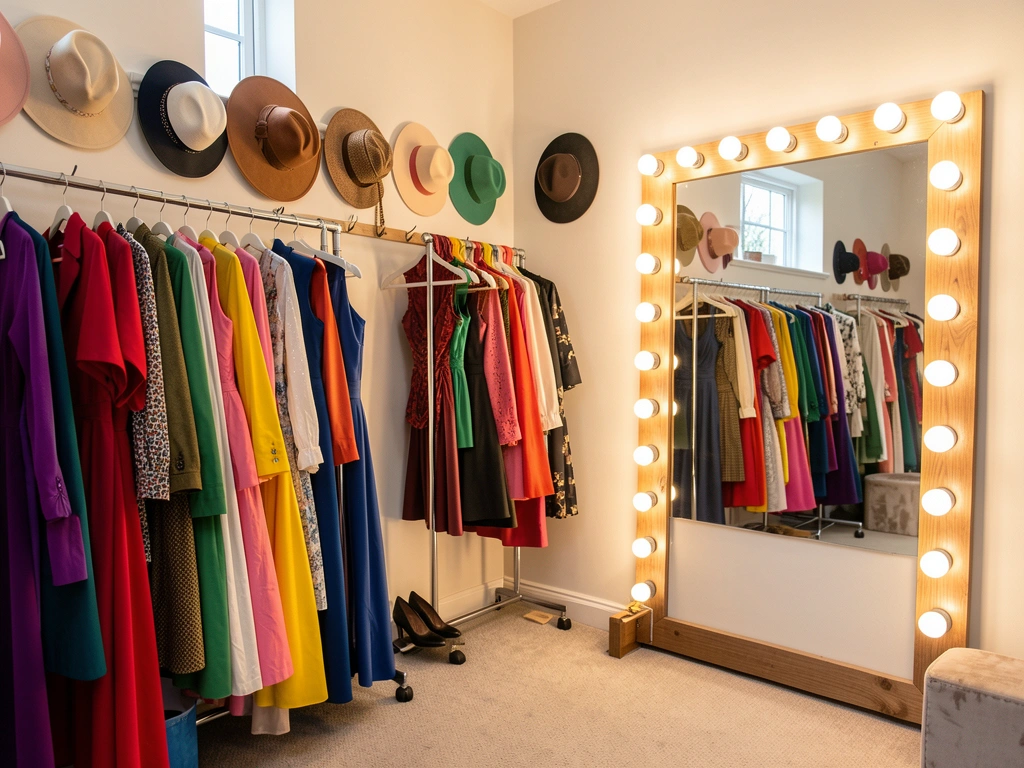
From the Saturday warm up to the curtain call at the end of term.

Our very shy seven year old now narrates breakfast in three different voices. The teachers let her watch for two weeks before inviting her in, and that patience changed everything.
Show week ran to the minute. We left our son at the stage door, a chaperone signed him in, and the same person handed him back to us after the bows.
Twenty years after a school play, the Thursday class has become the best evening of the week. Nobody is pushed onto the stage before they want to be.
None at all. Most children join without any, and the first weeks of each term are built around games that help newcomers settle.
The student joins an ordinary class for the whole session. Parents of children under eight can watch the last ten minutes, and the teacher talks with you afterwards about the right class.
Everyone who wants a speaking part gets one, sized to their age and confidence. Students who would rather not perform can run lights, props or stage management instead.
One to one sessions for students aged 12 and over who are preparing for a drama school, youth theatre or college audition, covering the choice of speech, preparation and nerves. No coach can promise a place, but we make sure a student walks in prepared.
A parent signs each child in at the stage door, and the child stays with a chaperone in a dressing room for their age group until signed out again. Parents do not go backstage, which keeps every child's space private.
Comfortable clothes to move in, soft shoes or bare feet, and a water bottle with their name on it. Long hair tied back, and no jewellery that could catch on anything.
Choose the class, the date and the time, and tell us a little about the student. Someone in the office writes back by the next working day with the trial confirmed, or with another class that has a space.
Phone the office on a weekday morning, or send an email at any hour and someone answers the next working day.
Rehearsal studios in an old printworks by the station, with term shows at a local theatre
| Monday to Friday | 16:00 to 21:30 |
| Saturday | 9:00 to 17:00 |
| Office phone | Weekdays 10:00 to 15:00 |
Families and friends are welcome at every term show. Tickets go on sale three weeks before, and the office can hold seats together for a student's family.
This drama school website was built by AI from two sentences. Tell us about your business and yours is built the same way, with its pages, photos and booking in place, ready to preview in minutes.
About this sample page
Limelight Drama School is an invented school, written to show how a drama school can present classes, shows and child safety on one page. It opens with a trial class button and three facts about ages, shows and class sizes, then sets out four classes from First Steps to the Adult Evening Course with term fees. A weekly timetable follows, so families can match a class to their week before they ask anything. A section on the term show explains who performs where and how tickets work. The order moves from what a student will do to when and where they will do it.
Safety comes next, with signing in and out, chaperones, dressing rooms and photo consent explained plainly, and a note that licensing rules for children vary by country. A gallery, example reviews and six common questions then show warm ups, rehearsals and curtain calls. The trial class booking asks for the class, the date, the student's age and their experience. A school building its own site can keep this order and swap in its own classes, rules and fees. The sample page below explains each part and why it belongs there.