Whole house demolition
Detached and semi detached houses taken down to the slab or the foundations, with the services cut off by the providers first.
Typical housefrom $14,500
Clearfell takes down houses, garages, outbuildings and shop interiors for owners and builders. Every job begins with a survey for asbestos and other hazardous materials, then a fixed written quote and a crew that sorts the rubble for recycling as the building comes down.
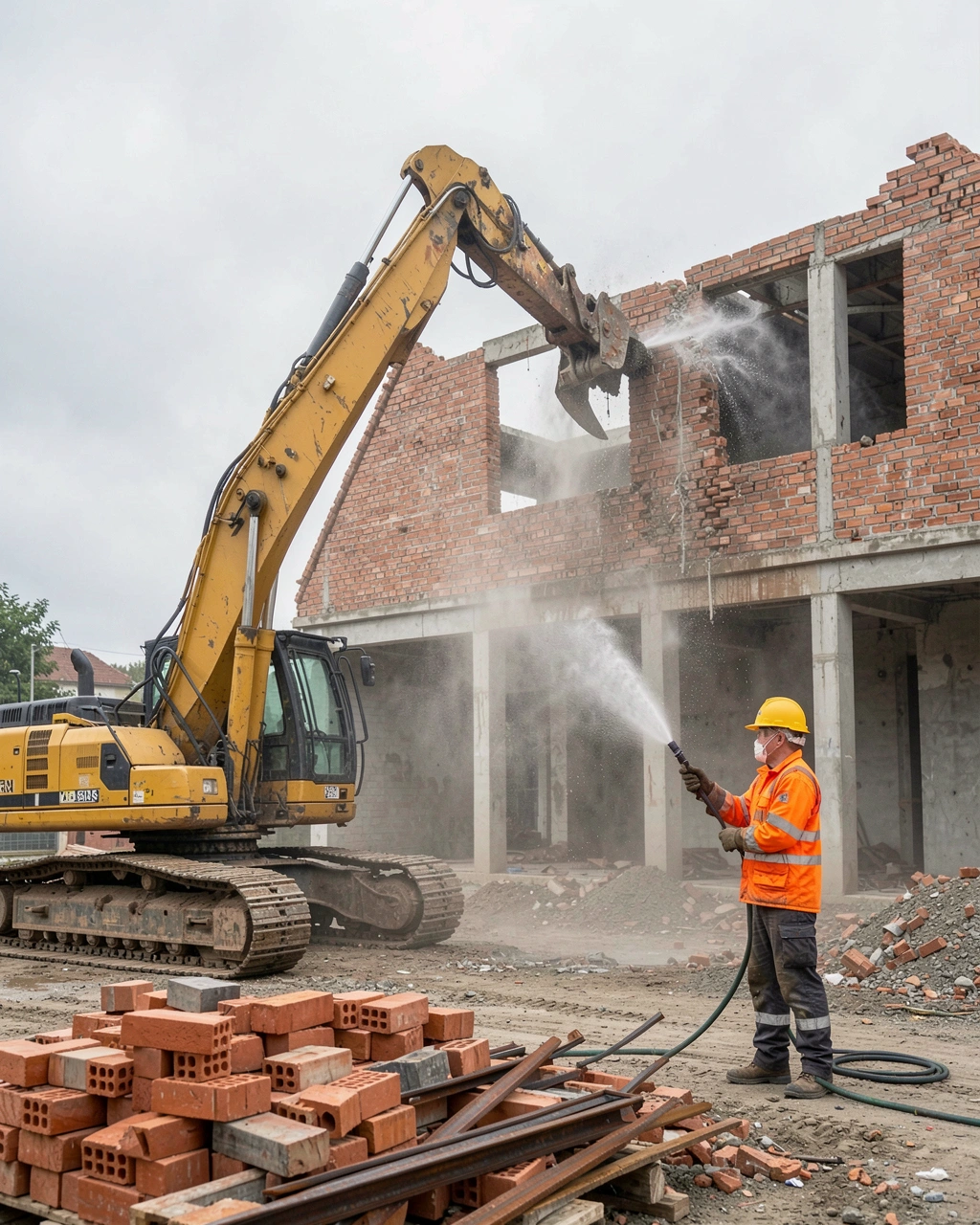
Guide prices for straightforward jobs with good access. The quote after the site visit is the price, and if the survey turns up something new we explain it before anything changes.
Detached and semi detached houses taken down to the slab or the foundations, with the services cut off by the providers first.
Garages, sheds, stables and workshops, including old roof sheets removed by a licensed team when the survey finds asbestos.
Kitchens, bathrooms, offices and shop fit outs taken back to the shell, with dust sheeting and protected routes through the building.
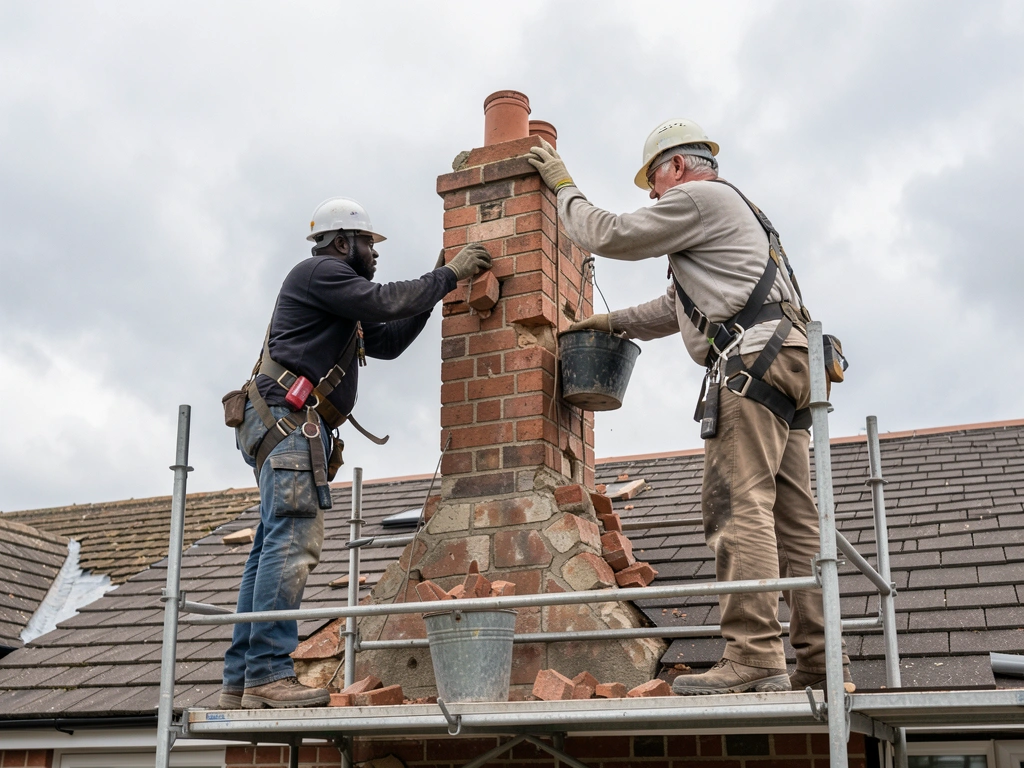
An extension, a wall or a chimney stack removed from a building that stays standing, always to a structural engineer's method.
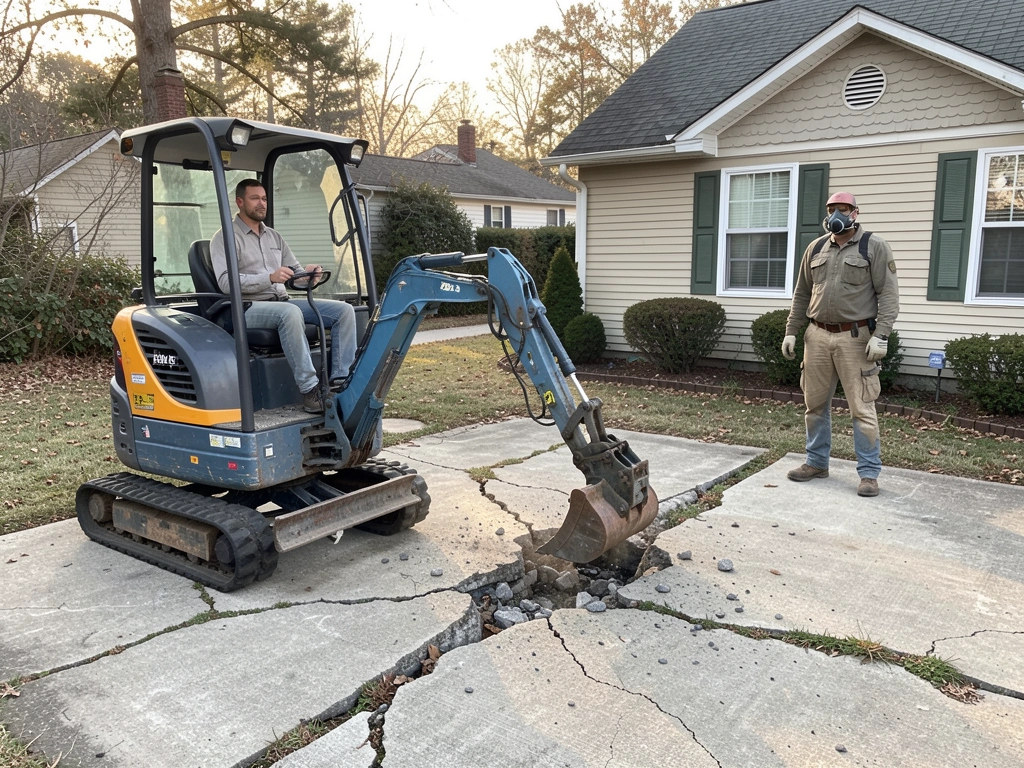
Driveways, patios, slabs and old bases broken out, loaded and taken to a crushing yard to become recycled hardcore.
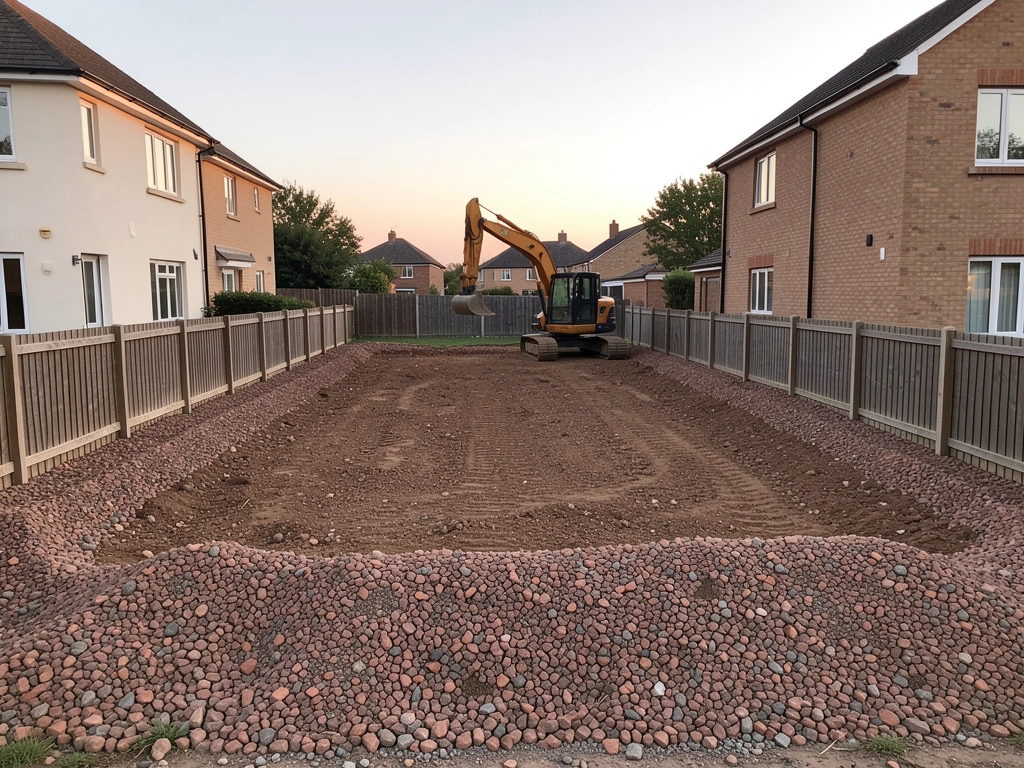
Overgrown plots, old fencing, rubble heaps and buried debris cleared, and the ground graded level for the next trade.
Prices include labour, machines and standard waste. Licensed asbestos removal, if the survey calls for it, is priced separately and shown on the quote.
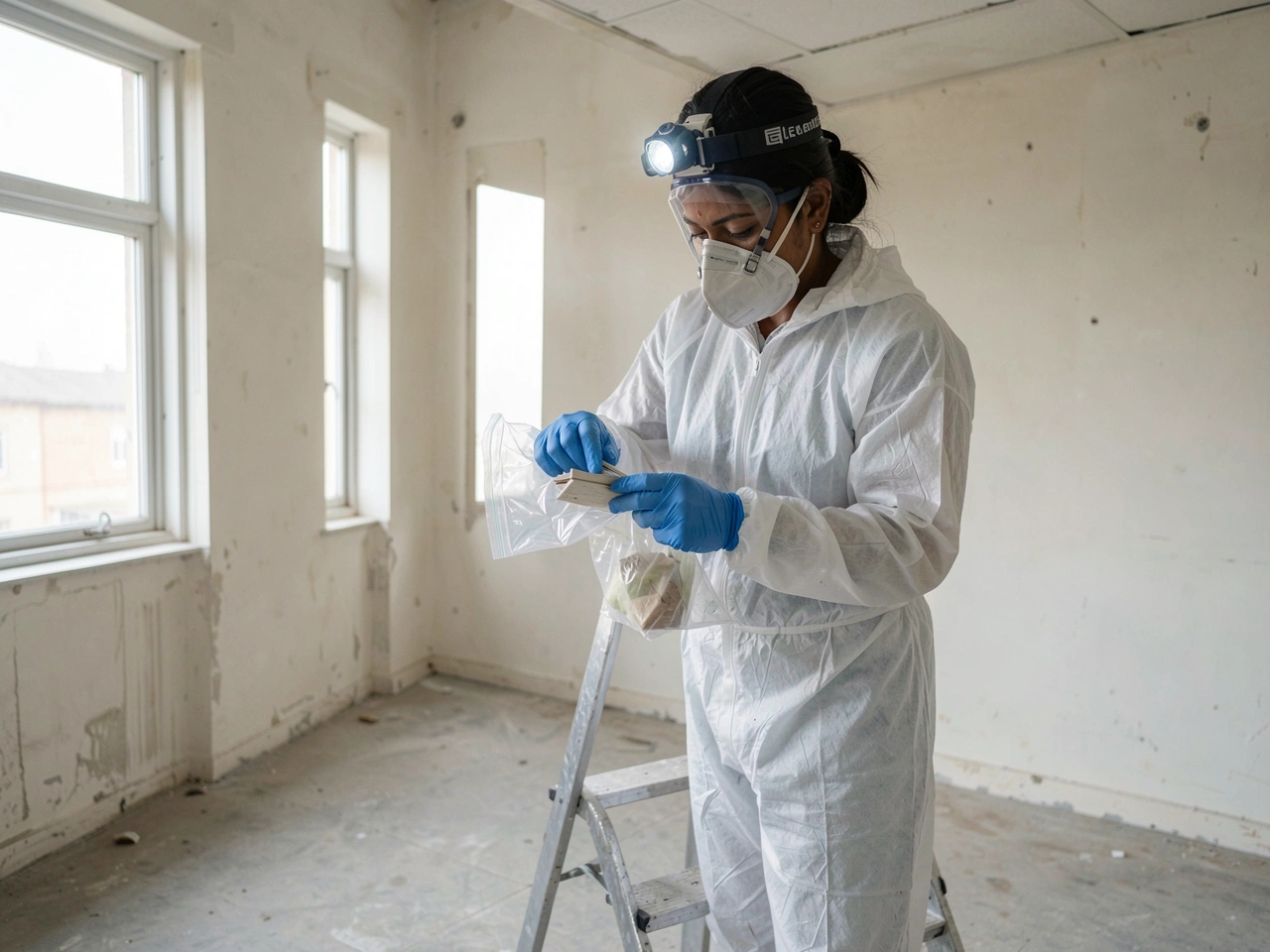
Asbestos was built into many houses, schools and offices before the rules changed, and the year it stopped varies by country. It hides in ceiling tiles, pipe lagging, floor tiles, textured coatings and roof sheets, and it is only safe while nobody breaks it.
So a qualified surveyor visits first, takes small samples and sends them to a lab. The same survey lists lead paint, old fuel tanks, chemical stores and anything else that needs special handling, and the demolition plan is written around what it finds.
A garage can be gone within a week of the survey. A house usually takes four to eight weeks from the first visit, most of it spent on the survey, permits and service disconnections.
An estimator looks at the building, the access, the neighbours and the services, and answers your questions on the spot.
The hazardous materials survey is done, then you receive a fixed written quote and a method statement.
We tell you which permits and notices your area usually asks for and help prepare them, since the rules vary by country and council.
Fittings, timber, glass, cables and metals come out by hand first, so each one goes to the right place.
The structure comes down with dust damped by water, the site is cleared and graded, and you get the waste notes.
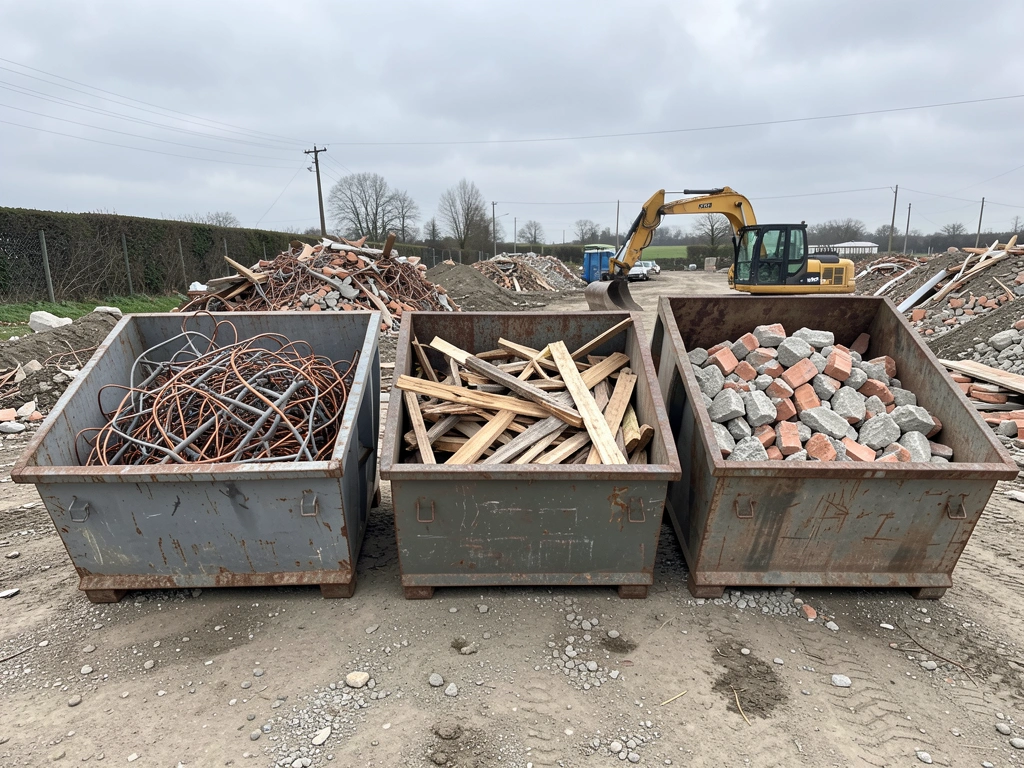
A building is mostly material that can be used again, as long as it is kept apart. The crew sorts it as the job goes, into separate skips and heaps.
| Material | Where it goes | Why we keep it apart |
|---|---|---|
| Brick and concrete | A crushing yard, to become recycled hardcore | Clean rubble is worth reusing, mixed rubble is landfill |
| Steel, copper and aluminium | A metal recycler | Metals are sold on, and the value comes off your bill |
| Timber | Clean wood is chipped, treated wood goes to a licensed site | Painted or treated timber cannot be burned or composted |
| Plasterboard | A gypsum recycler where one takes it | Kept dry and away from rubble, as most sites require |
| Glass, cables and fittings | Separate recyclers, or reuse when they are in good order | Doors, radiators and sinks often find a second home |
| Asbestos and hazardous waste | Licensed carriers to permitted sites only | The law treats it separately, with its own paperwork |
Waste rules, carrier licences and the paperwork for each load vary by country and region. You receive a copy of the waste note for every load that leaves the site.
Demolition happens beside homes, roads and shops. These are the habits on every Clearfell site, however small the job.
If a building has been damaged by fire, a storm or a vehicle and looks unstable, keep everyone well away from it and call your local emergency number first. Once the emergency services have made it safe, we can assess it and take it down.
Every site is photographed at each stage, so owners and builders can see how the work went even when they could not be there.
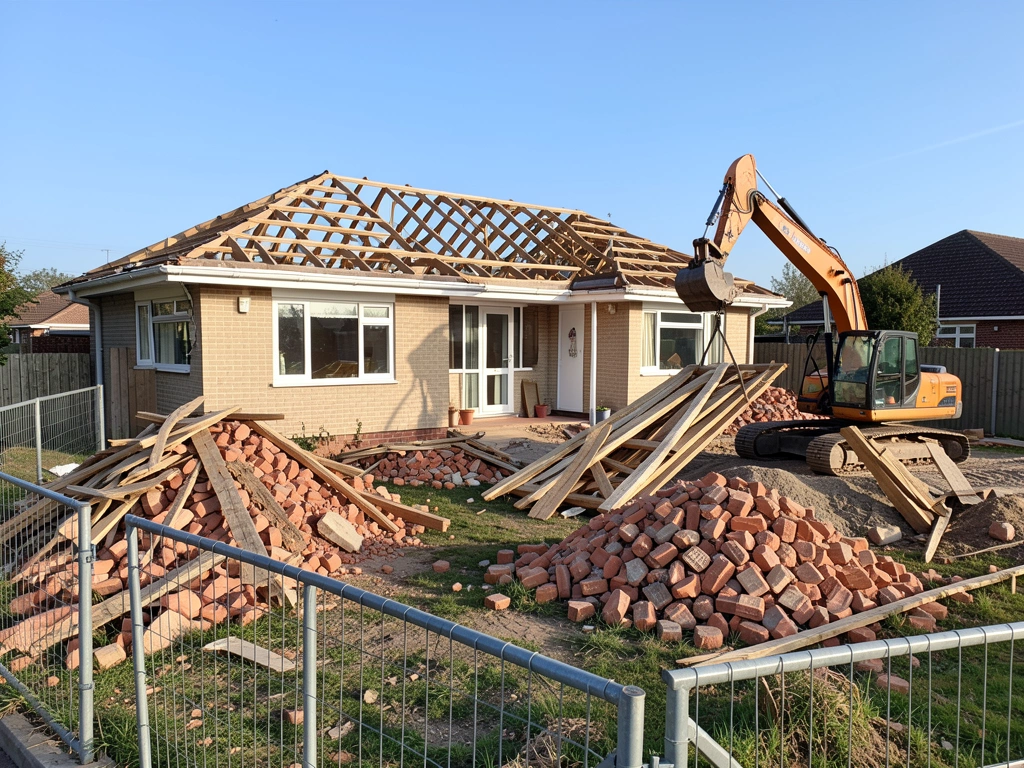
The survey found asbestos in the garage roof sheets, so a licensed team took them off first and the quote had already allowed for it. The garage was gone in two days and the slab was swept clean.
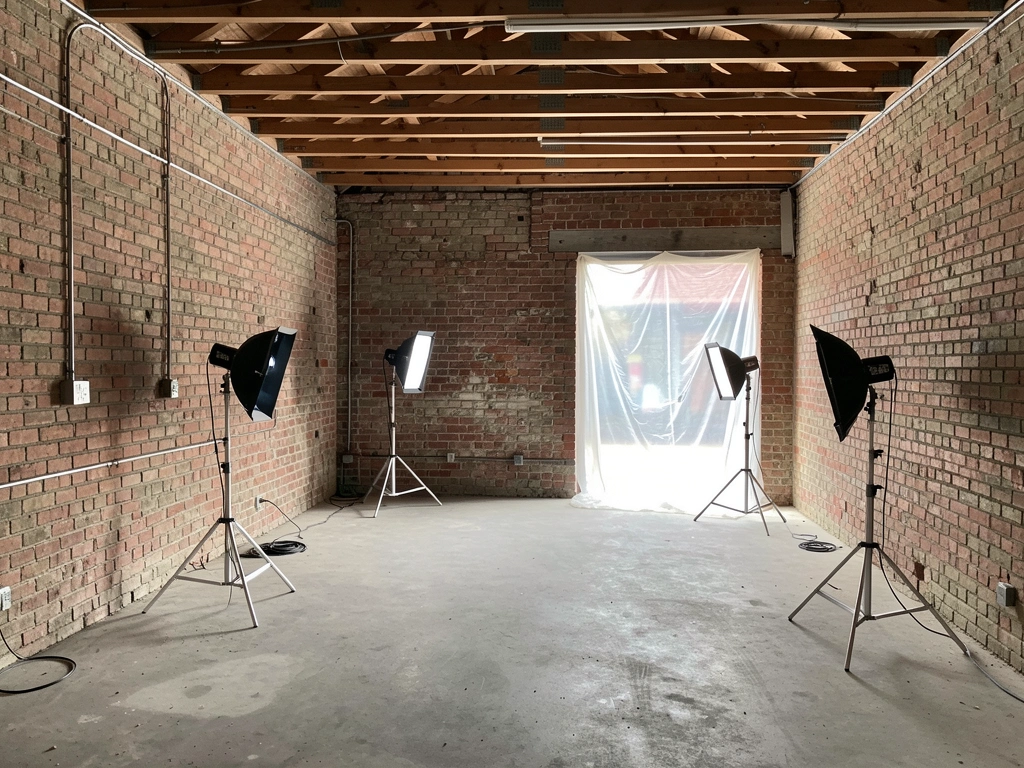
Our old restaurant was stripped back to bare walls inside a week. The dust stayed behind the sheeting, the shops either side stayed open, and the waste notes arrived with the invoice.
We use Clearfell ahead of every knock down and rebuild. The neighbours get a letter, the site is hoarded on day one, and the plot comes back level and ready for our groundworkers.
Often, yes, but it depends on where you are. Many areas ask for notice or approval before a building comes down, and listed or protected buildings have stricter rules. We tell you what your area usually needs at the site visit and help you prepare it.
A licensed removal team takes it out under controlled conditions before the demolition starts, and it goes to a permitted site with its own paperwork. The cost appears on your quote as a separate line, so nothing is hidden.
The demolition itself usually takes one to two weeks for a typical house. The survey, the permits and the service disconnections take longer, so plan for four to eight weeks from the first visit.
There will be some noise and traffic, so we write to the neighbours before work starts, keep to agreed hours and damp the dust with water. The site lead gives them a phone number for any concern.
Yes. Extensions, walls and chimney stacks are removed to a method approved by a structural engineer, with props in place before anything is cut.
We take a deposit to hold the start date, then invoice in stages as each part of the job is finished. Payment is arranged directly with our office, and the value of recycled metal is credited on the final invoice.
Tell us what needs to come down and where it stands. An estimator rings back within one working day to book a time on site, and your written quote lands 48 hours after that visit.
The office answers on weekdays and Saturday mornings. Site crews start at 07:30 and keep to the hours agreed with each neighbourhood.
Sites across the city and the county around it
| Monday to Friday | 07:30 to 17:30 |
| Saturday | 08:00 to 13:00, office only |
| Sunday | Closed |
Houses, shops, farms and commercial sites across the city and the county around it. Larger jobs further out are priced with travel and the welfare cabin included.
This demolition contractor website was built by AI from two sentences. Tell us about your business and yours is built the same way, with its pages, photos and booking in place, ready to preview in minutes.
About this sample page
Clearfell Demolition is invented, yet its single page lays out safety, prices and waste the way a careful demolition contractor would on AI Web Maker. A photo of a long reach excavator fills the first screen, stamped with the words Survey first, so the most important promise is the first thing anyone reads. Guide prices for six kinds of job follow, then a section on asbestos and other hazardous materials. A five step sequence and a waste table explain the weeks before the machines arrive and the places each material goes afterwards. The page closes with safety habits, example reviews, honest questions and a site visit form, which is the order a careful client reads in.
A demolition firm starting its own site on AI Web Maker writes a short outline of its jobs and its patch, and the platform drafts the page and an enquiry form from that outline. Each enquiry reaches the office through that form or a phone call, and the firm agrees the price and the payment terms with the client itself. Nothing is charged during drafting and previewing, and after launch the crew pays for hosting with one $119 payment for the year or $19 each month, buying its domain as well. This page walks through the reasons behind each section of the Clearfell example. A firm can swap in its own site photos, reorder the sections or add a page for larger commercial work without losing the structure.
The whole sample website of a demolition contractor, explained ·