Conferences and summits
Plenaries, breakouts, speaker care, registration desks and coffee breaks timed so the queue never forms.
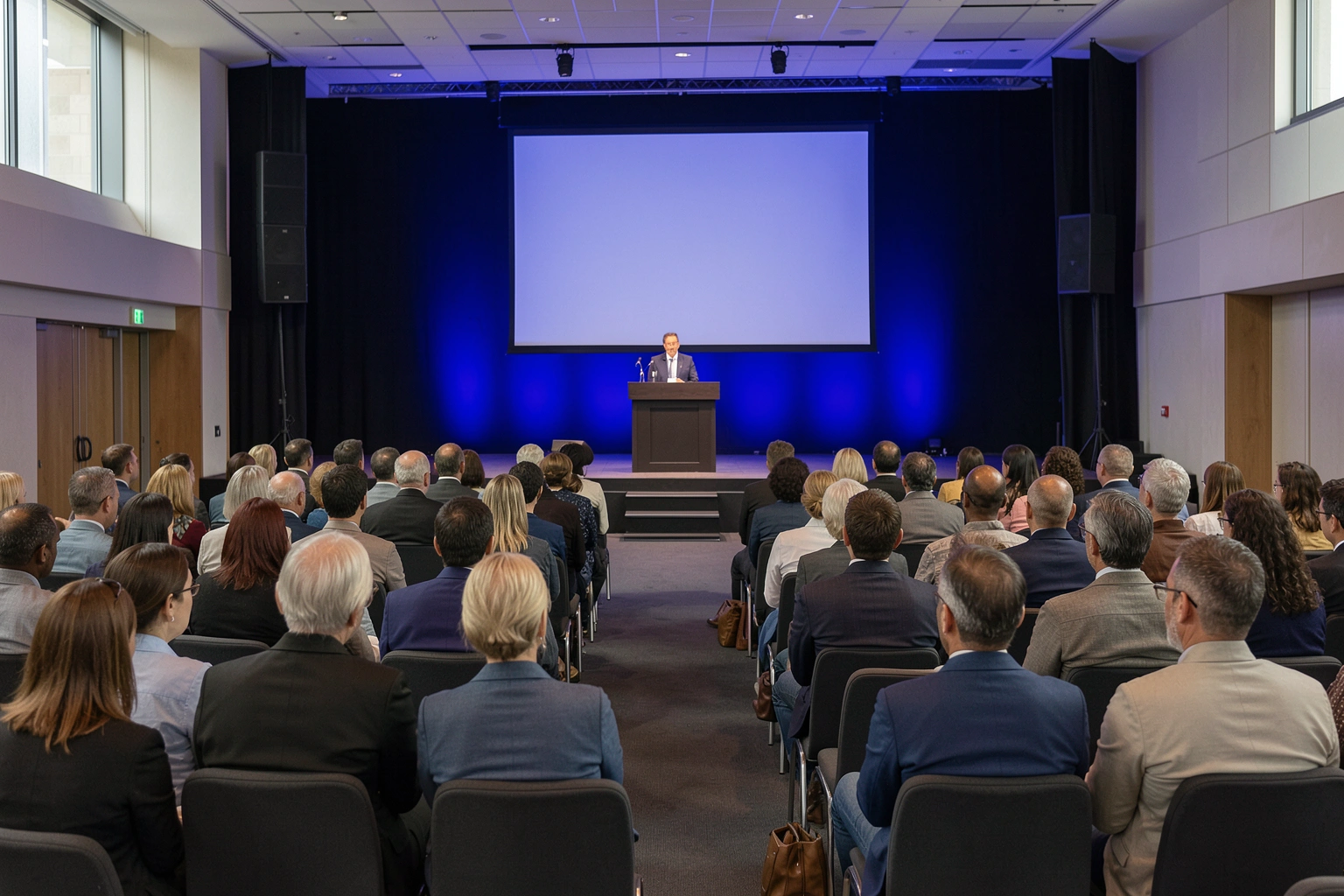
We plan conferences, product launches and team days for companies bringing together 30 to 1,500 people: venues, suppliers, a costed budget, a run sheet for every minute and one producer who picks up the phone.
Each format starts from a run sheet we have refined over many events, then rebuilt around your goals and your people.
Plenaries, breakouts, speaker care, registration desks and coffee breaks timed so the queue never forms.
A reveal timed to the second, press and customer guest lists, and demos that work when the doors open.
Workshops in the morning, an activity in the afternoon and a dinner people still mention on Monday.
Seating plans, category scripts, walk up music and a stage manager calling every cue.
Small, well run evenings for the clients who matter most, with every name checked at the door.
Stage, cameras and a streaming partner, so people joining remotely see the same event as the room.
Every budget we build is set out line by line before anything is signed. These are the lines most events carry; how much each one takes depends on the format, the city and the season.
| Line | What it covers | How we keep it in check |
|---|---|---|
| Venue and rooms | Main room, breakouts and storage, plus any minimum spend on food | Three options per brief, with the minimum spend read before you sign |
| Food and drink | Arrival coffee, lunch, breaks and any evening reception, priced per head | Final numbers confirmed a week out to cut waste |
| Audio visual and staging | Screens, sound, lighting, the stage set and the technicians running them | One supplier per event, quoted against the run sheet |
| Travel and rooms | Speaker travel, attendee rooms and transfers between sites | Room blocks held with release dates, so unused rooms go back in time |
| Print and signage | Badges, lanyards, direction signs and printed agendas | Digital agendas where they work, print where people need it |
| Contingency | A reserve for late changes and the unexpected | Held back, and handed back untouched if it is not needed |
Our planning fee is separate from the event budget and shown on its own line. Supplier invoices are passed on at cost, with the original quotes attached.
Six stages, from the first brief to a report on your desk the week after.
A one hour call on goals, audience, dates and the budget range. A written proposal follows within two working days.
Three venues that fit the numbers and the budget, with site visits arranged for the ones you like.
Catering, audio visual, staging and transport quoted, compared and contracted in your name or ours.
Every minute from load in to load out, with names, cues and a fallback for each risk.
Your producer on site from the first delivery to the last taxi, radio in hand.
Within a week: attendance, spend against budget, feedback and what to change next time.
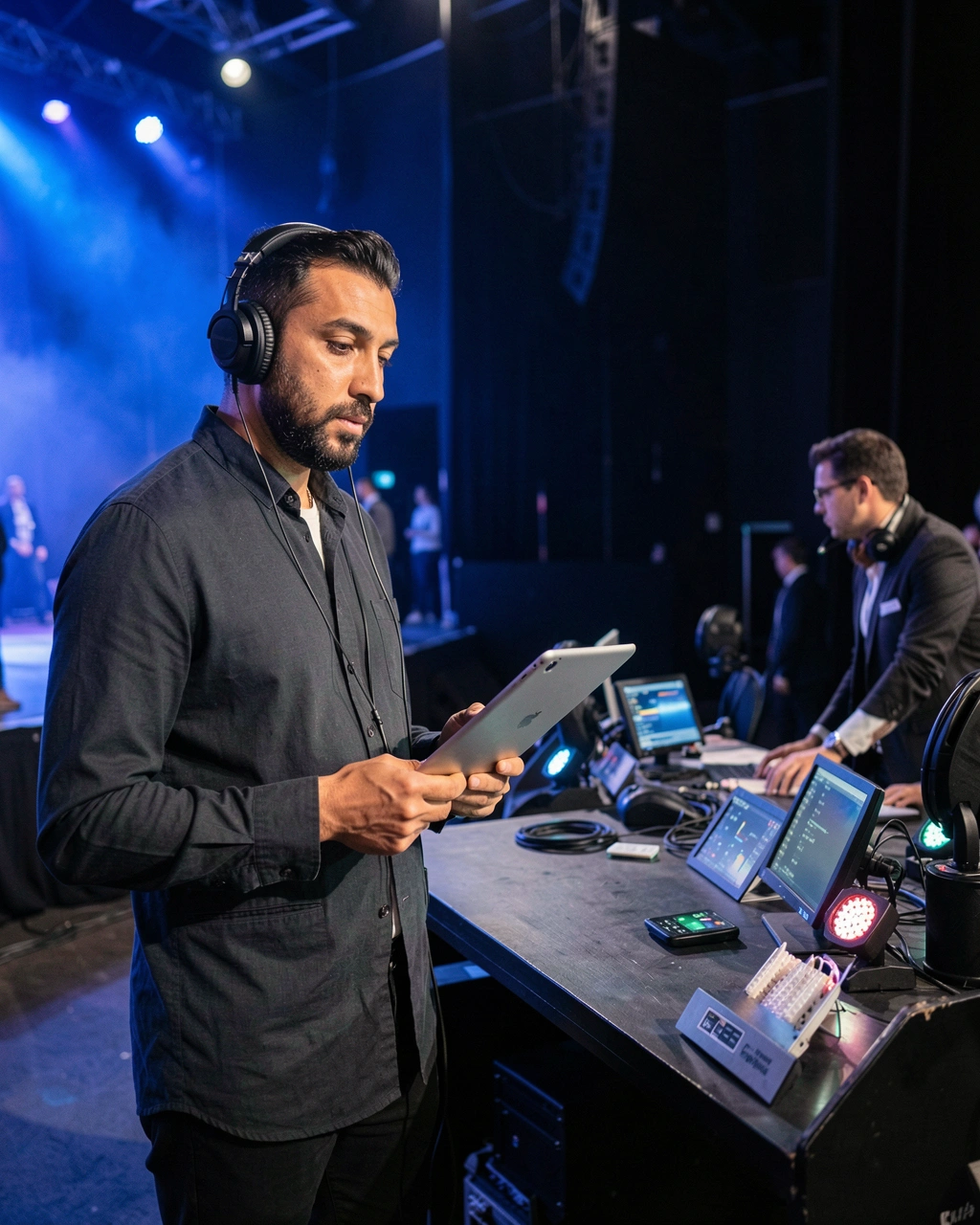
The run sheet is the document the whole event hangs on. It lists every cue, from the moment the screens power on to the time the last coach leaves, with the person responsible and the plan if it slips.
Your producer writes it, walks it through with the venue and suppliers a week before, and holds it on the day. You get one number to call, and the people on stage get a calm voice in their ear.
Fees cover our planning and the team on site. Venue, food and suppliers sit in your event budget at cost. Prices are illustrative.
from$1,800
from$3,200
from$7,500
A third of the fee is invoiced when the proposal is signed, a third when the venue is contracted and the rest after the wrap report. Cancellation terms follow the venue's and are set out in the proposal.
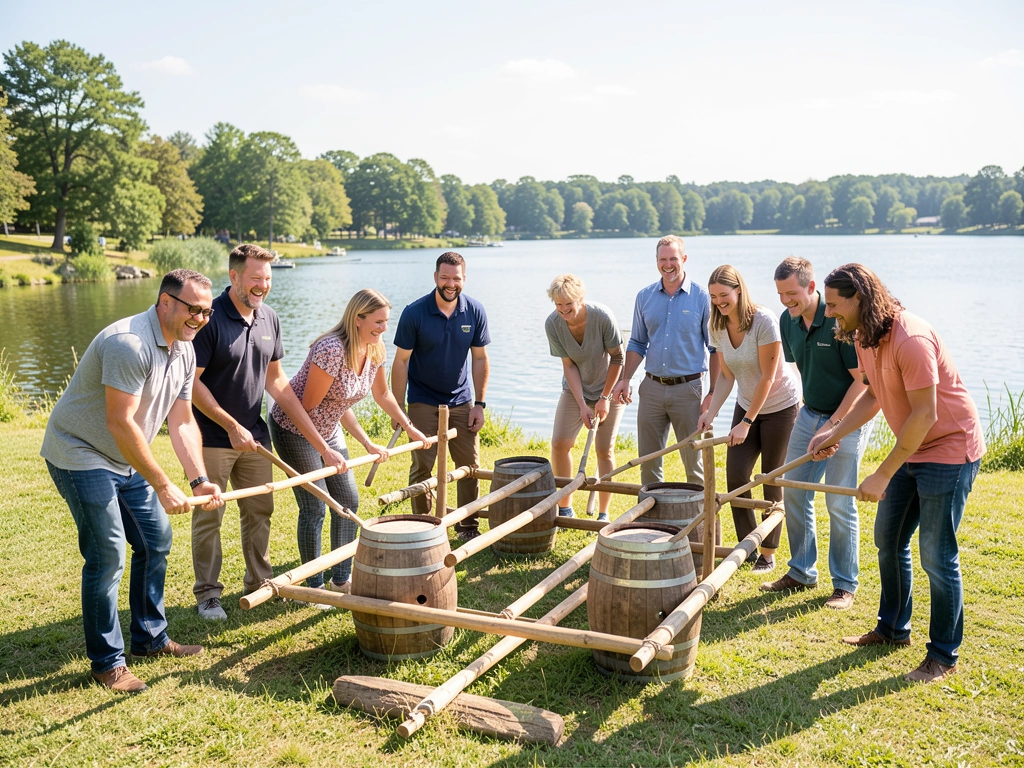
Plenaries, launches, dinners and lakesides full of colleagues, with no logos on show.
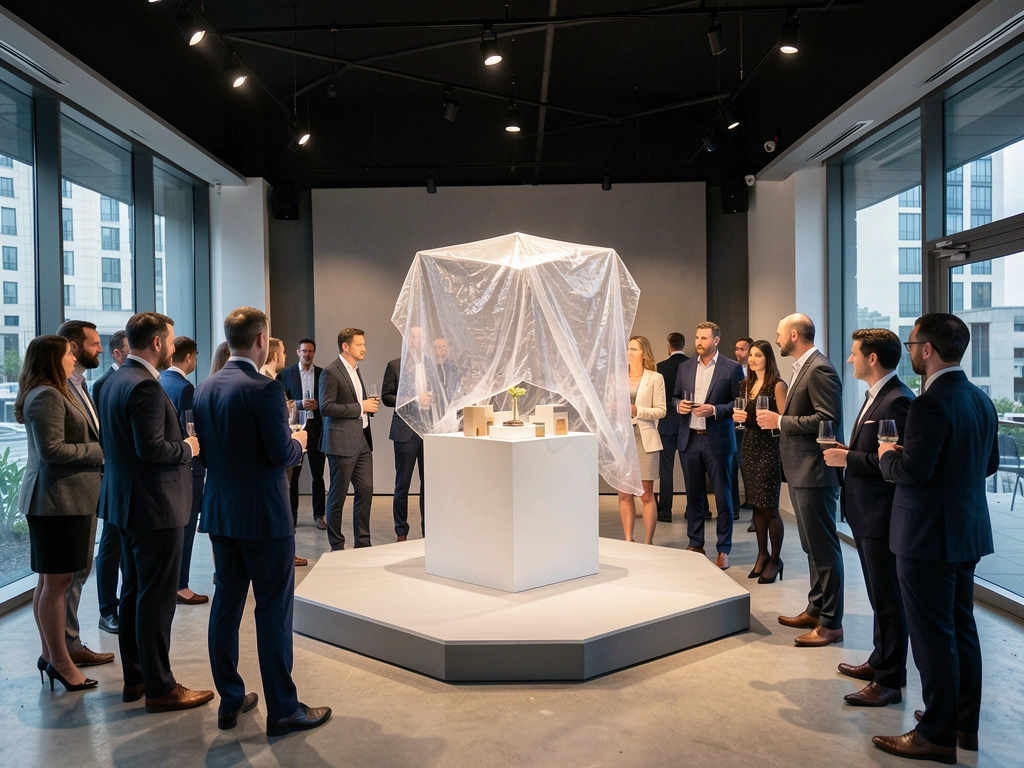
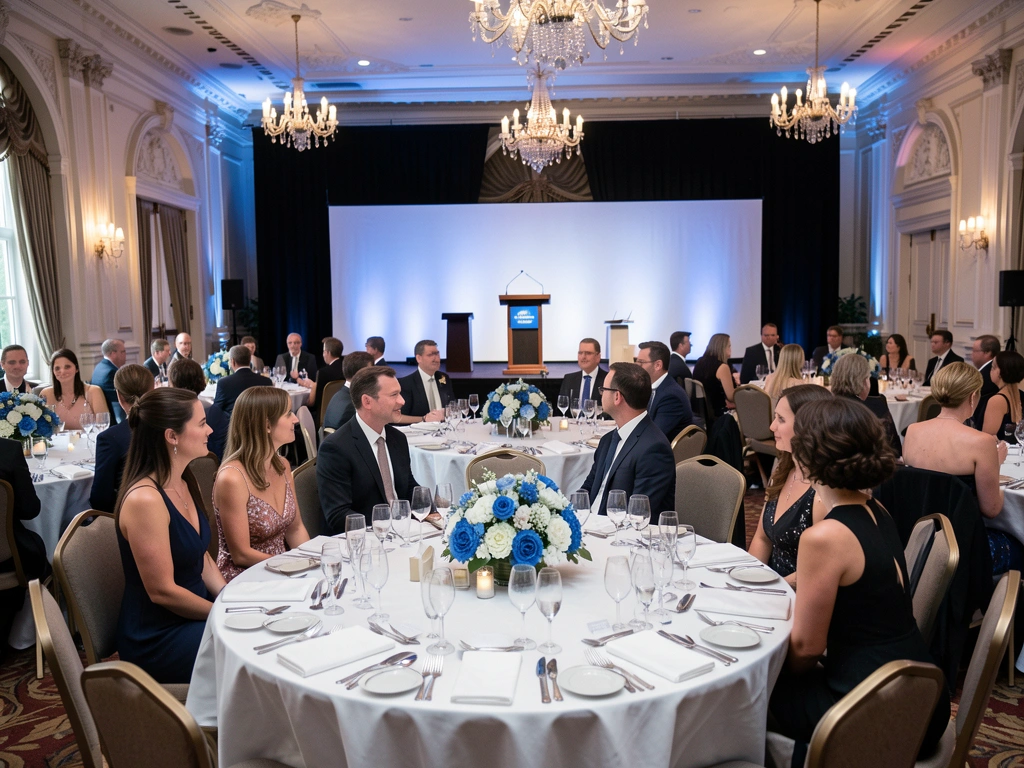

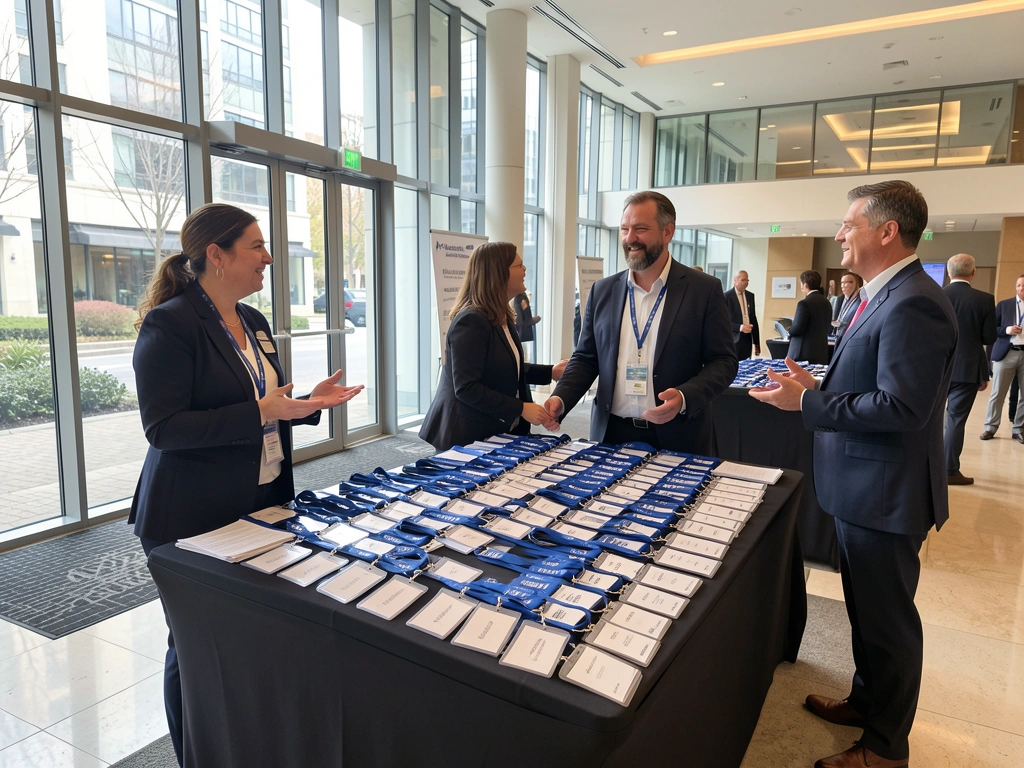
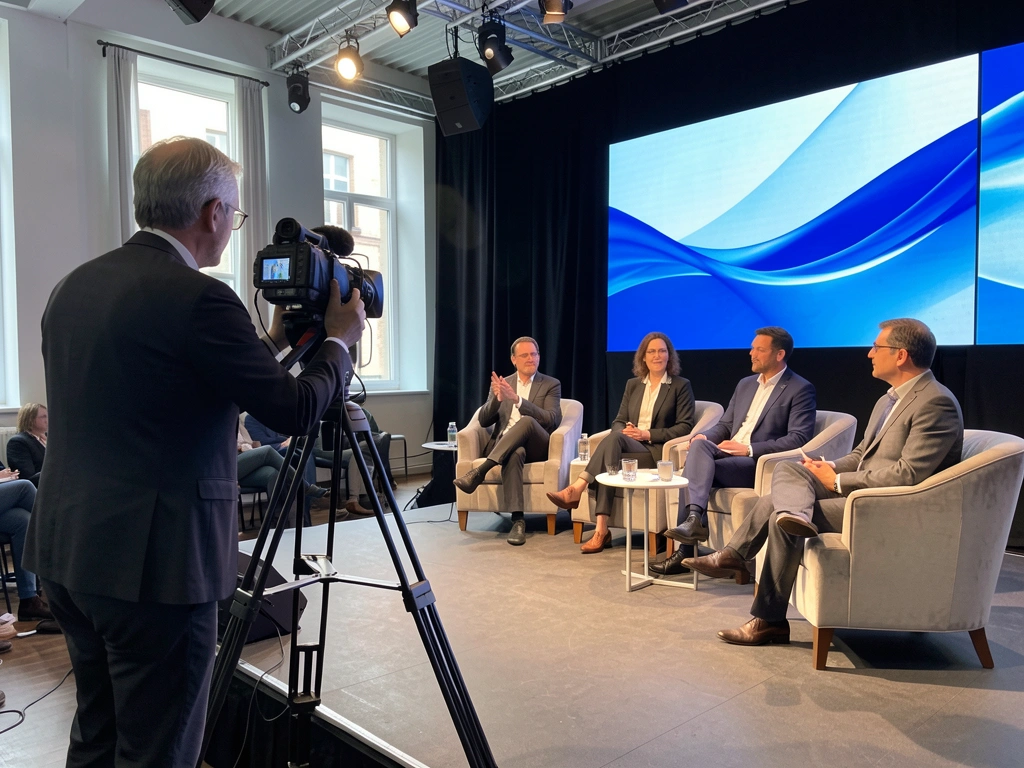
The run sheet for our sales conference had a fallback for every session. When a keynote's flight was cancelled, the afternoon was rearranged before most of the room noticed.
We gave them a budget and a city, and the proposal came back with three venues and every line costed. The final spend landed inside the contingency.
Our team day mixed a strategy workshop with an afternoon outdoors, and people still bring it up. Dietary needs and two wheelchair users were planned for from the very start.
Four to nine months for a conference, so the venue and the speakers can be secured. Team days and dinners often work in six to ten weeks, and we say honestly when a date is too tight.
A range is enough. We show what that range buys in your city, line by line, and you decide where to spend and where to save before anything is booked.
Yes. We read the contract, visit the room and build the run sheet around its rules, from load in times to noise limits.
We do, with local suppliers we have vetted. Permits, tax on services and venue rules differ from country to country, and the proposal sets out what applies.
Registration asks every attendee what they need. We plan level routes with ramps or lifts, seating, captions where sessions are streamed and labelled food, and we brief the venue team in advance.
Your choice. Contracts can sit in your company's name with us managing them, or in ours with every cost passed on at cost and the quotes attached.
Share the format, the month, the numbers and a budget range. A producer answers within one working day, and a first written proposal follows within two.
Office hours on weekdays, and a direct line to your producer on event days.
Office in the business district, planning events across the region and abroad on request
| Monday to Friday | 8:30 to 18:00 |
| Event days | On site from load in to load out |
Paste its main points into the brief and we answer each one in the same order, with costs set against every line.
Send the briefThis corporate event planner website was built by AI from two sentences. Tell us about your business and yours is built the same way, with its pages, photos and booking in place, ready to preview in minutes.
About this sample page
Agenda Corporate Events is a fictional planner, and its one page site shows how to sell event planning to companies rather than to individuals. A skyline rises across the opening photo of a conference hall, beside facts on event size, the single producer and the two day proposal. Six formats follow, then a budget table that explains each line in general terms and a six stage process ending in a wrap report. A run sheet section, three planning fees and a gallery of recent rooms come next. Example reviews, six questions and a brief form asking for a budget range close the page.
Start your own from the formats you actually deliver and the size of events you are comfortable running. Give the builder those facts and the regions you cover, then rework its draft around your real fees and process. Rewrite the budget lines from your own experience, keeping them general enough to be true for every client. Replace the photos with rooms you have run, without logos or attendee faces unless you hold permission. Drafting and previewing cost nothing, and hosting begins only at publication, at $119 for the year, with the domain bought on its own.
The whole sample website of a corporate event planner, explained ·