Driveways
Dug out, a compacted stone base, steel mesh and a 100 to 150 mm slab that falls towards a drain, finished in broom, exposed aggregate or a stamped pattern.
Per m²from $90
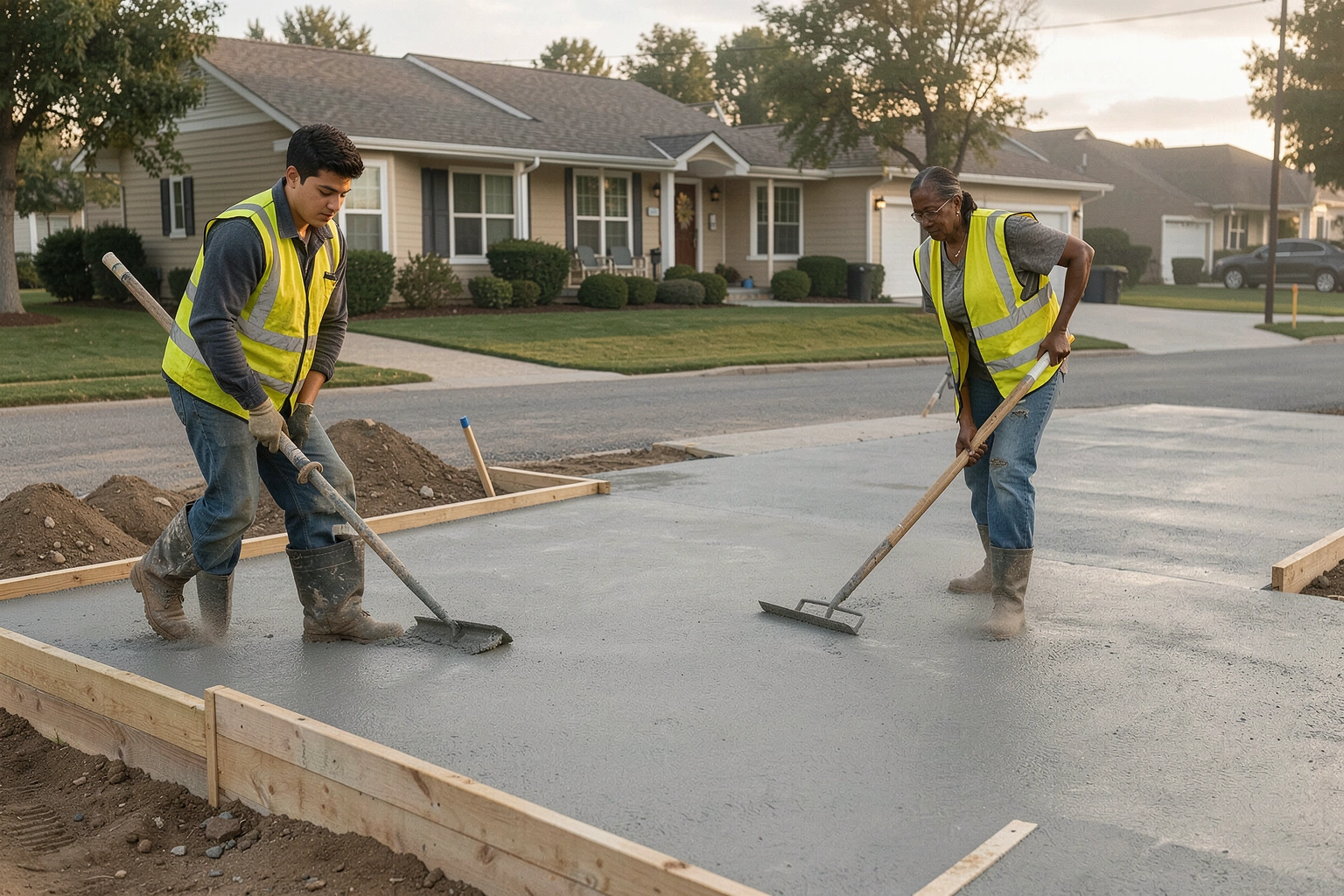
Solid Ground digs out, forms, reinforces and pours driveways, patios, paths and foundations for homes, with our own crew from the first spade to the last saw cut. Ask for a quote or a site visit, and the price comes back in writing, line by line.
Starting prices for a straightforward site with good access. Every job is priced after a visit, because ground, levels and access change the work more than size does.
Dug out, a compacted stone base, steel mesh and a 100 to 150 mm slab that falls towards a drain, finished in broom, exposed aggregate or a stamped pattern.
Laid level or falling gently away from the house, with steps, edges and borders formed to suit the garden.
Garden paths, side returns and steps with a grippy broom finish and rounded edges that do not chip.
Strip footings and slabs for extensions, garages and garden rooms, poured to the engineer's or the supplier's drawings.
Cracked concrete or worn tarmac broken out and taken away, then the ground checked before anything new is poured.
Cracks cut out and filled, and tired surfaces given a bonded overlay, where the slab underneath is still sound.
Permits, building approval and drainage rules vary by country and by council. We tell you what we know for your area at the site visit, before you sign anything.
The same slab can look and feel very different. Each finish changes the grip underfoot and the care the surface needs later.
| Finish | What it looks like | Grip and upkeep | From, per m² |
|---|---|---|---|
| Broom finish | Fine ridges brushed across the surface | Good grip; a wash down once a year | $90 |
| Exposed aggregate | Stones from the mix showing at the top | Very good grip; reseal every few years | $120 |
| Stamped pattern | Pressed to look like slate, stone or brick | Smoother; reseal every two to three years | $140 |
| Smooth trowelled | Flat, plain and even | Slippery when wet; best inside a garage | $95 |
| Coloured mix | Pigment through the whole slab | Depends on the finish; colour softens with age | add $15 |
A typical driveway takes three to five working days on site, plus the time the concrete needs to cure.
We measure, check levels, drainage and access for the mixer truck, then send a written quote with every stage on its own line.
The ground is dug out, a stone base is compacted in layers, and timber forms are set to the finished levels.
Mesh or bars go in on spacers, then the concrete is poured, levelled and finished on the same day.
Control joints are cut, the slab is covered to cure slowly, and you get dates for when it can take weight.
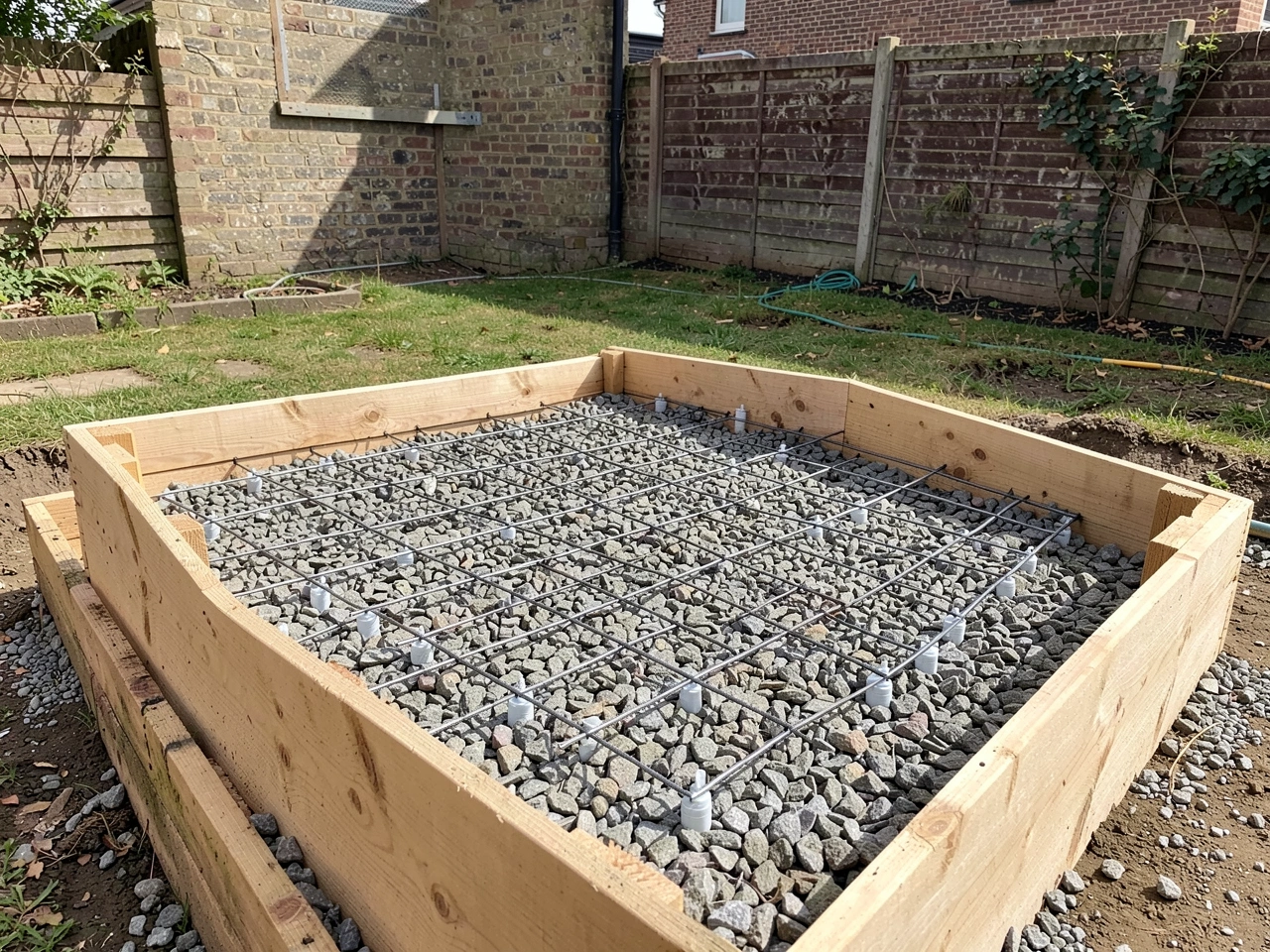
A slab is only as good as the ground beneath it. We dig down to firm ground, lay and compact the stone base in layers, and set the falls so rain runs to a drain instead of sitting against the house.
Steel mesh or bars hold the slab together if the ground shifts, and saw cut joints give the concrete a tidy place to crack instead of a random one.
Every job ends with a handover sheet that gives the dates for your own slab. As a rough guide:
Concrete keeps gaining strength for weeks after the pour, and most mixes reach their design strength at around 28 days. Hot and cold weather both change the timing, so the dates on your sheet come first.
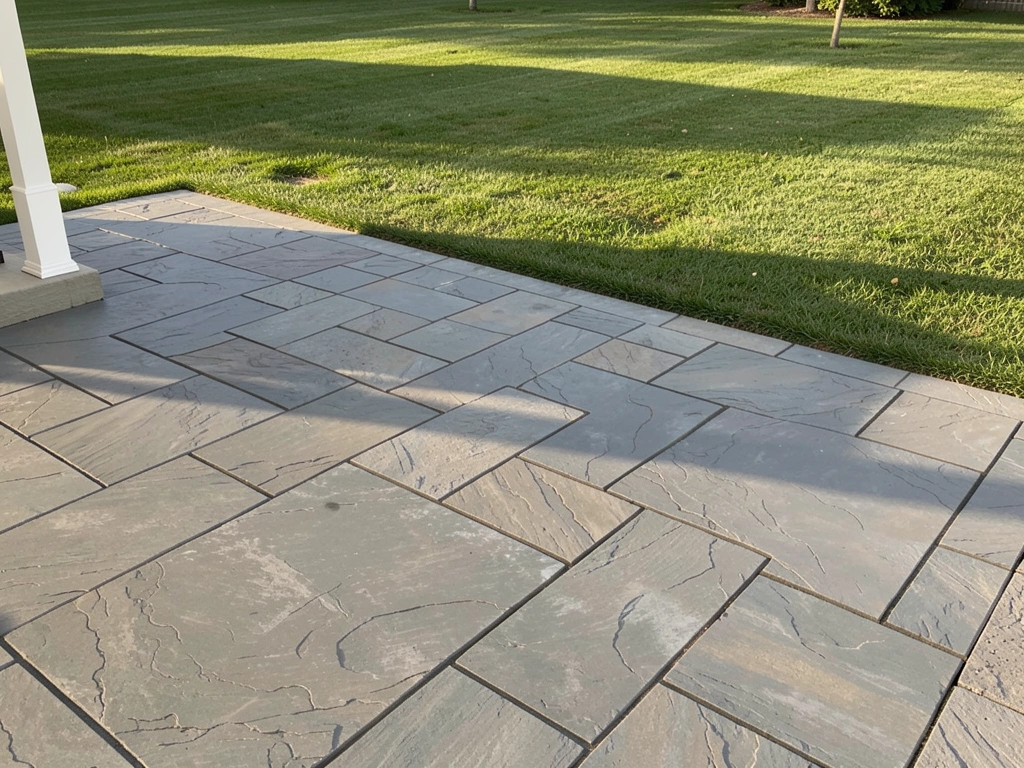
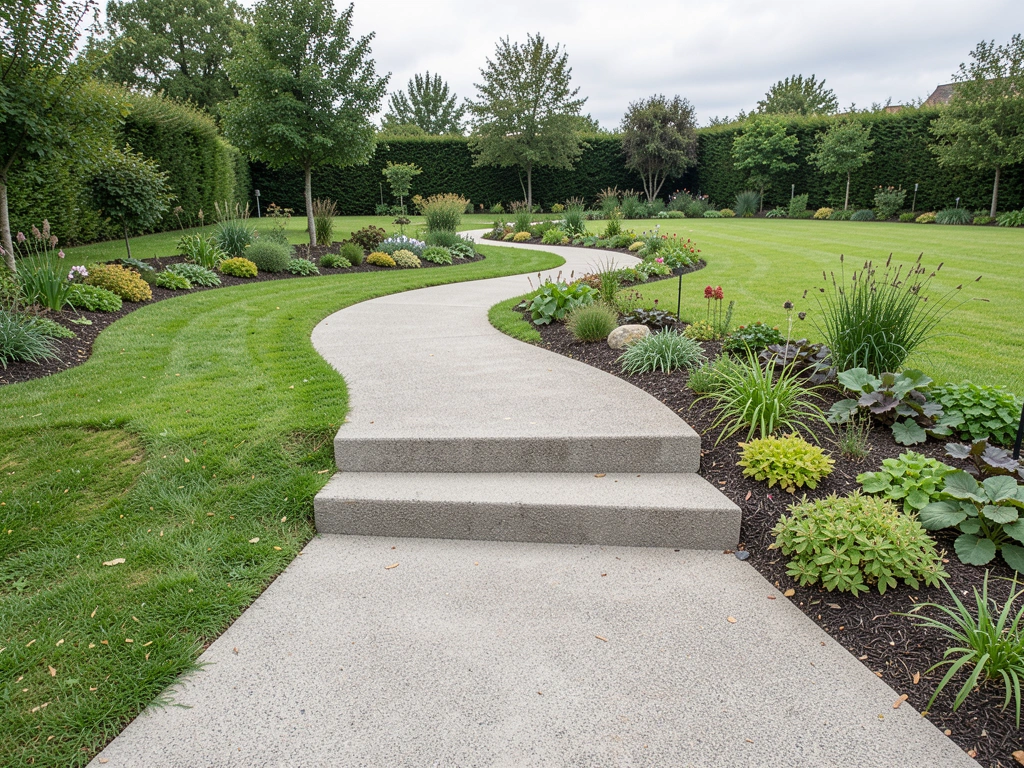
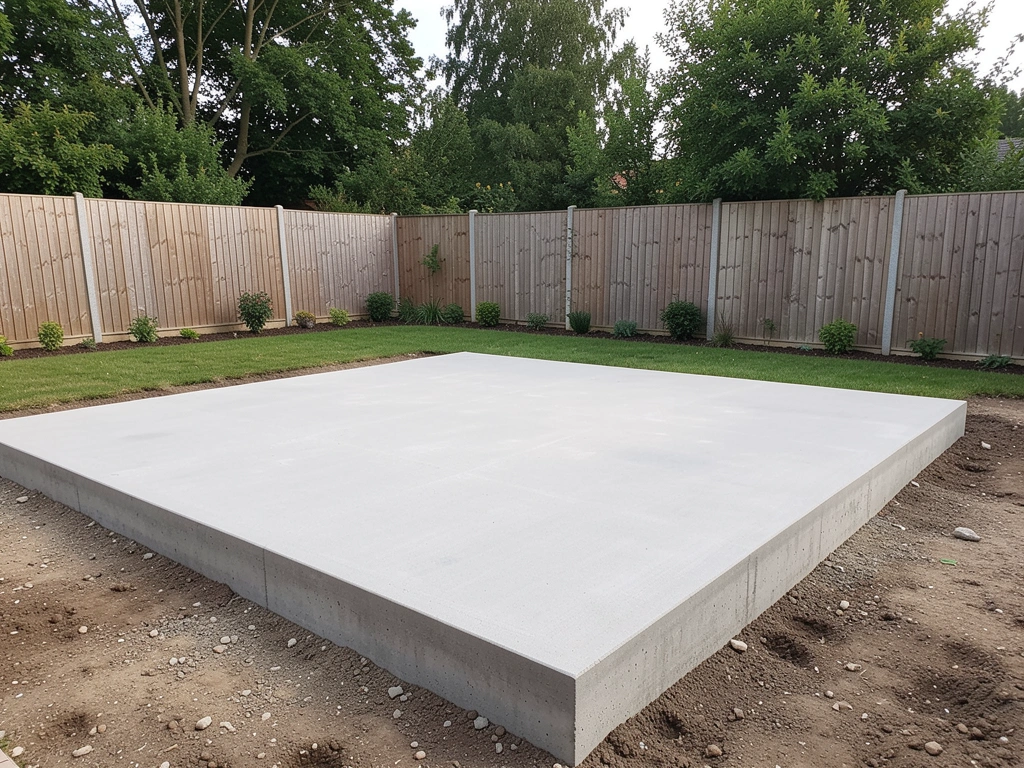
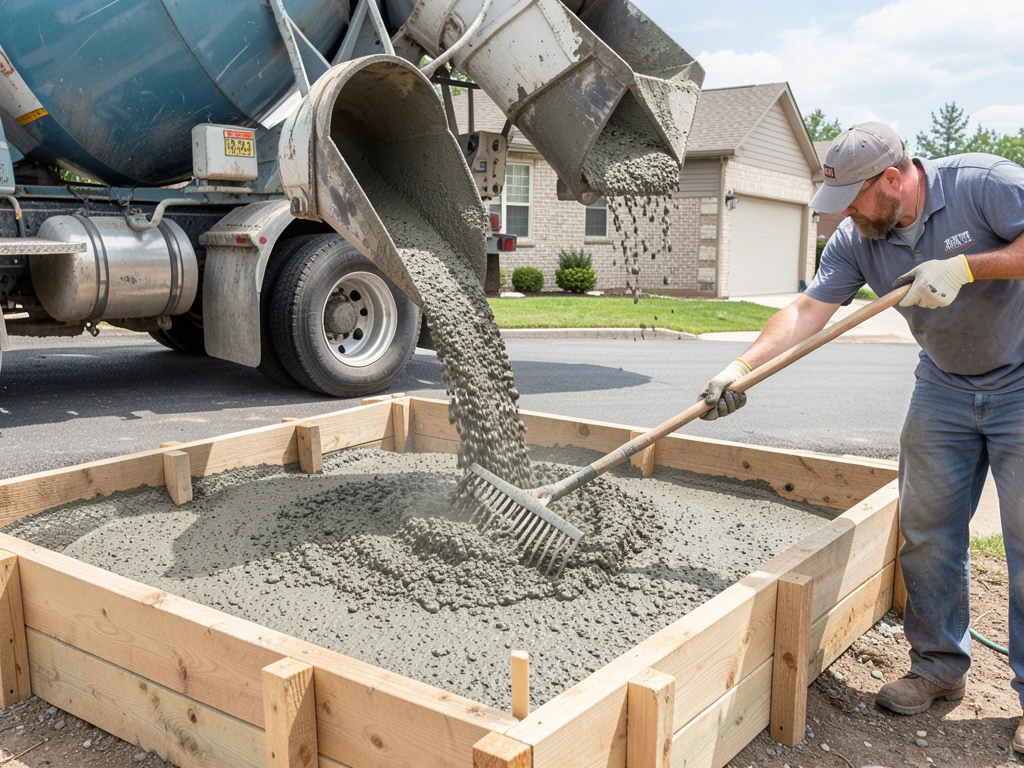
Driveways, patios, paths and bases from the last few seasons, each one dug, formed and finished by the same crew.
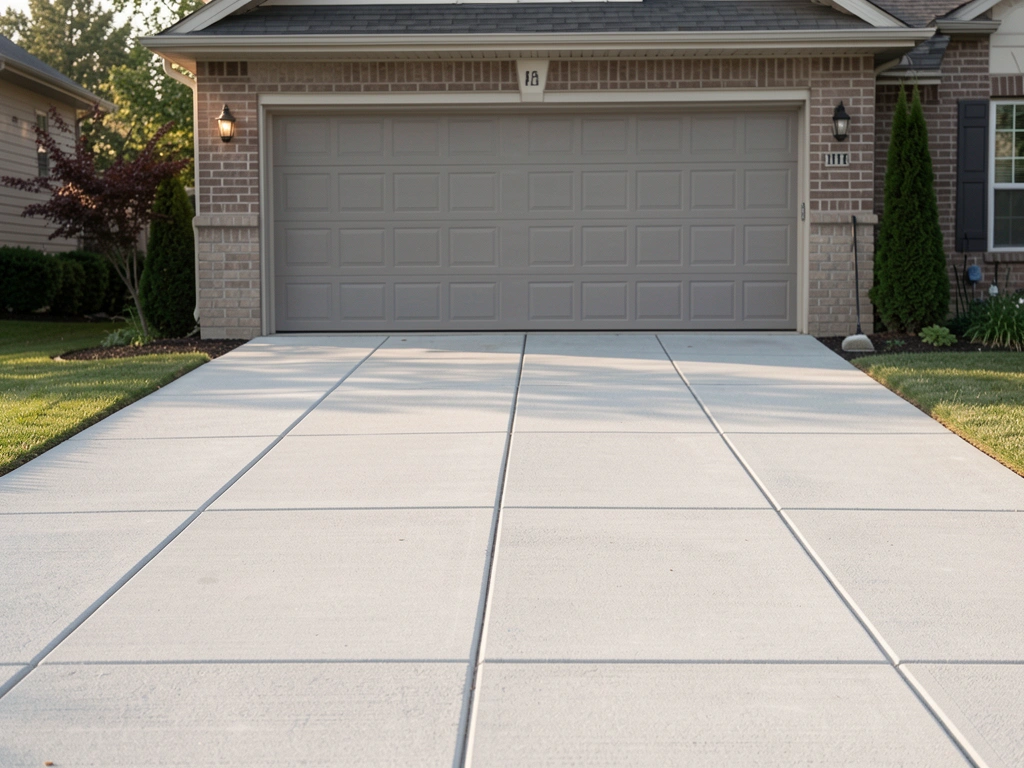
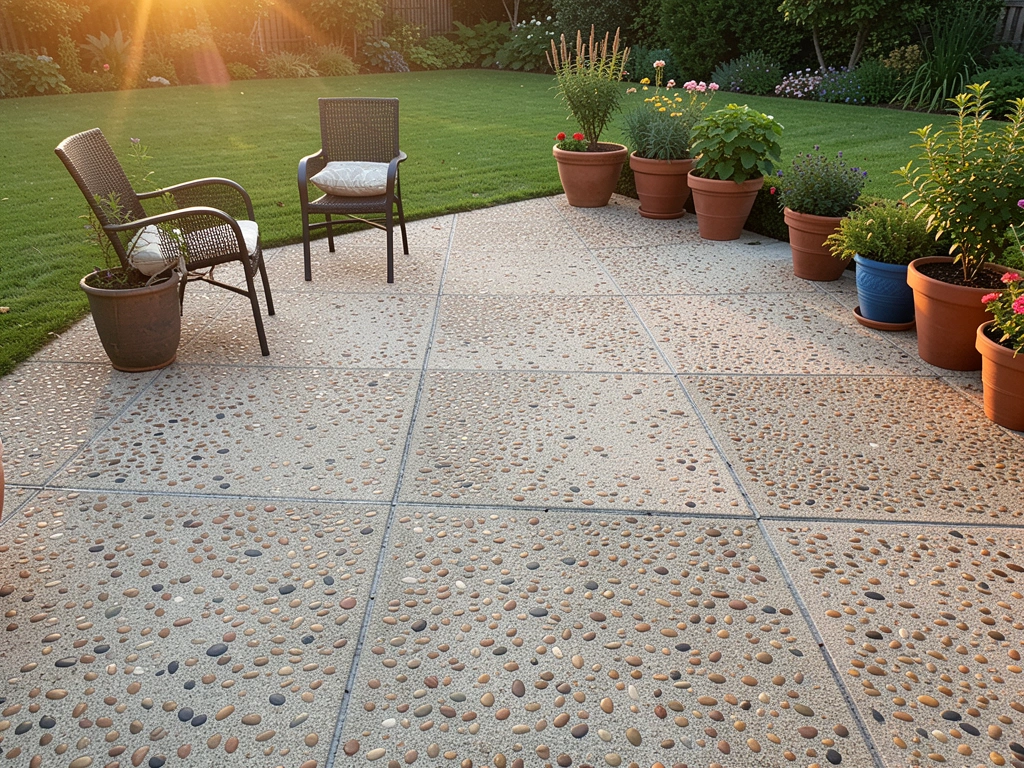
The old driveway had sunk by the gate for years. This crew dug far deeper than the last firm, and two winters later it is still flat and dry.
The quote listed every stage, from the dig to the joints, which made comparing it with the others easy. The patio went down on a Thursday and the forms were off by Saturday.
The base for the garden studio was dead level, and the studio fitters said so the moment they arrived. The lawn was left tidier than before.
That depends on where you live. Some councils and countries have rules on new access from the road, drainage and paving over front gardens, and foundations usually need building approval. We tell you what we know for your area at the site visit, and you or your designer apply where it is needed.
Concrete shrinks as it cures, so fine hairline cracks can appear. Saw cut joints, steel reinforcement and a well compacted base keep cracking to the joints and stop cracks from opening up.
Usually after about 7 days for cars, and around 28 days for vans and heavier loads. Weather changes this, and your handover sheet gives the dates for your slab.
Yes, when the air is above 0 °C and frost blankets are on site. We never pour onto frozen ground, or when a hard frost is forecast for the first days after the pour.
Digging out, taking the spoil away, the base, forms, steel, concrete, finishing, joints and the clean up, each priced on its own line. Anything that depends on what we find underground is shown as a separate allowance.
We take 20 percent when you book the start date, and the rest at handover once you have walked the finished slab. Both are paid directly to our office.
Tell us what you want poured, the rough size and where the job is. Within two working days we reply to arrange a site visit, or with a guide price when the job is simple.
The office sits at the yard, where a sample of every finish is laid out to walk on. Call ahead and someone will show you round.
| Monday to Friday | 07:00 to 17:00 |
| Saturday | 08:00 to 12:00, site visits |
| Sunday | Closed |
Homes within 40 km of the yard. Larger jobs further out are quoted with the travel and the concrete delivery charges shown on separate lines.
This concrete contractor website was built by AI from two sentences. Tell us about your business and yours is built the same way, with its pages, photos and booking in place, ready to preview in minutes.
About this sample page
Solid Ground Concrete is a fictional contractor whose one page site shows how a concrete business can present prices, finishes and quote requests on AI Web Maker. A slab outline draws itself over the opening photo, followed by starting prices per square metre for every kind of pour the crew handles. A finishes table, a four step process and a section on groundwork explain the work that sets a careful contractor apart. Aftercare dates, a permits note and example reviews deal with the questions that come up after the price. The quote form at the bottom collects the details an estimator needs before visiting the site.
Contractors who sign up describe their services and area in a short paragraph, and the builder lays out a draft site around an enquiry form for quote requests. Homeowners use that form to describe the job, and the contractor replies directly to arrange a visit. Deposits and payments are agreed between the contractor and the customer. Hosting a published site costs $119 a year plus the domain, while building and previewing it cost nothing. The sample page breaks down each block of this example, so a contractor can reuse the order and replace the details with their own.
The whole sample website of a concrete contractor, explained ·