Second floor, former print works
2,400 sq ft (223 m²) of open plan office with exposed brick, a fitted kitchen and showers on the ground floor. Five year lease or longer.
Asking rent$27 per sq ft a year
Ironbridge Commercial Property lets and sells offices, shops and industrial units, and searches for space on behalf of tenants. Every deal begins with plain heads of terms covering rent, length, breaks, repairs and fit out, agreed in writing before the lawyers start.

Areas are given in square feet and square metres. Rents are asking rents before service charge, property taxes and any sales tax, and every figure is open to negotiation.
2,400 sq ft (223 m²) of open plan office with exposed brick, a fitted kitchen and showers on the ground floor. Five year lease or longer.
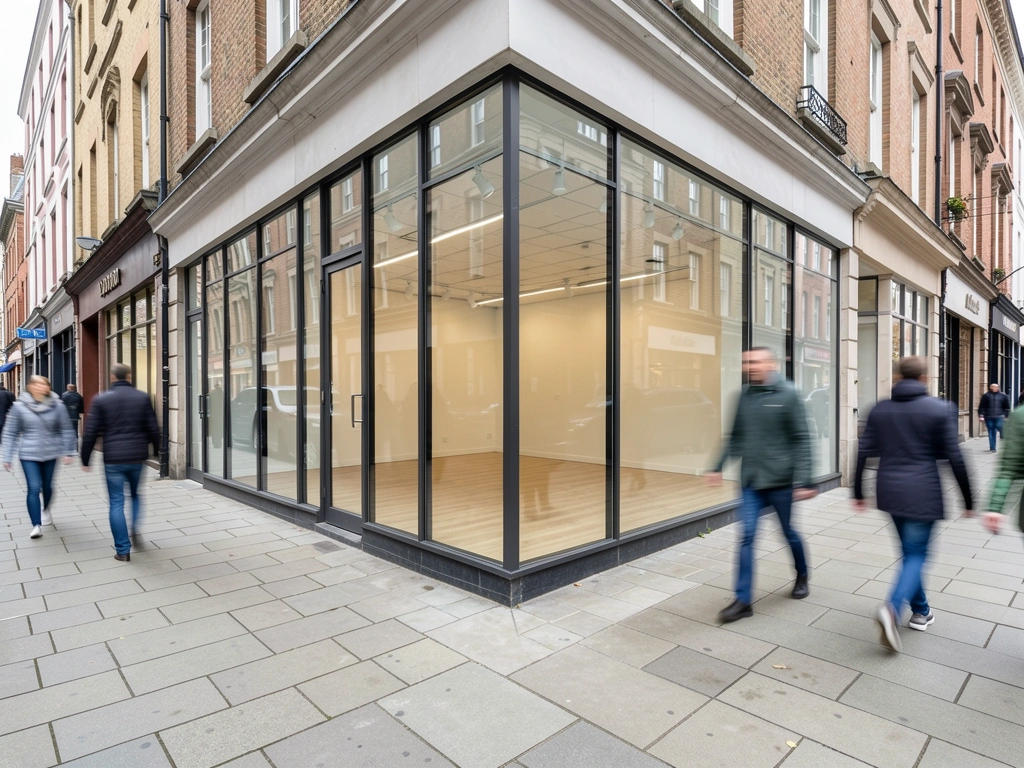
1,100 sq ft (102 m²) sales floor with a rear store and windows on two sides. Suits retail now; a café would need a change of use.
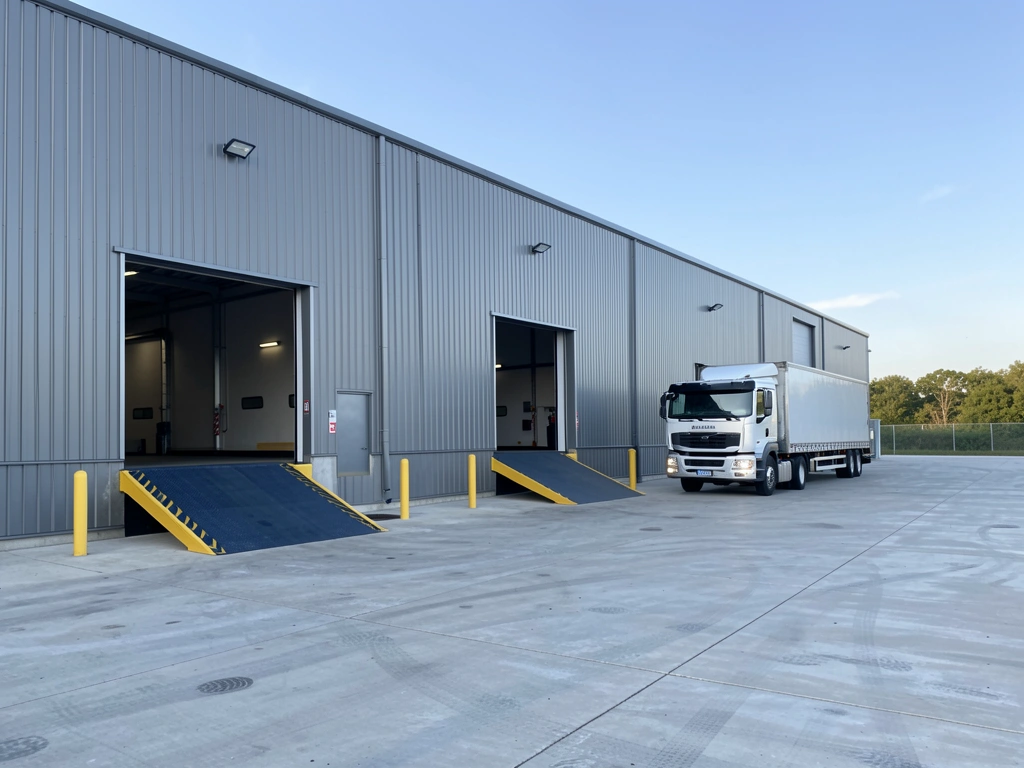
18,500 sq ft (1,719 m²) with 8 m eaves, two dock doors, one level door and a fenced yard for six trucks.
3,200 sq ft (297 m²) with level access, its own entrance and eight parking spaces. Approved for office or clinic use.
Units of 2,000 to 2,600 sq ft (186 to 242 m²), each with a roller shutter, 6 m eaves and a small showroom at the front.
The whole building for sale with three tenants in place on leases running four to nine years. Leases and accounts are in the sale pack.
Each property has a sale or letting pack with floor plans, the lease or draft lease, service charge budgets and energy ratings where the country requires them. Ask for the pack before a viewing.

Some of the right space is never on a board: a tenant planning to leave early, a landlord willing to split a floor, an owner open to an offer. We register your requirement, search what is listed, ask around for what is not, and send a shortlist with every building set out the same way.
When we search for a tenant, the tenant pays us, on a fee agreed in writing first. If a building on your list is one we also let for its landlord, you hear that in writing before the viewing, and you decide whether we carry on.
The headline rent is one line of a commercial lease. These are the terms we read first, described in general terms; the wording and the law behind them differ from country to country, so your own lawyer has the final say.
| Term | What it means | What to ask |
|---|---|---|
| Rent review | How and when the rent can change during the lease: fixed steps, a link to an index, or a review to the rent the market would pay. | Can the rent only rise, or can it fall too? |
| Break option | A date when one side may end the lease early, usually with notice and conditions attached. | What has to be true on that day for the break to work? |
| Service charge | The share of running the building: cleaning, lifts, security, the shared roof and plant. | Is there a cap, and can we see last year's accounts? |
| Repairs | Who keeps the building in repair. Some leases put the whole structure on the tenant. | Is a record of condition attached to the lease? |
| Fit out | Work to make the space usable, and whether it must be stripped out when the lease ends. | Who pays for what, and what has to come out at the end? |
| Incentives | Months without rent, a stepped rent or a contribution to fit out, offered in return for a longer term. | Is any of it paid back if the lease ends at a break? |
| Security | A rent deposit, a guarantee from a parent company or a director, or a bank guarantee. | When is the deposit returned, and on what conditions? |
This table explains terms; it is not legal advice. Commercial leases are negotiated, and almost every line above can be.
The order of a typical letting. A purchase runs the same way, with surveys and the sale contract in place of the lease.
Size, use, area, budget, lease length and the date you need to be in, agreed and written down.
Buildings that fit, listed or not, each with its rent, service charge and main lease terms in one format.
Grouped into a single morning where possible, with plans and our notes on each building.
The main points of the deal agreed in writing, subject to contract, before any lawyer is instructed.
Lawyers draft the lease while the fit out is planned; we keep both moving so the dates hold.
Completion, the keys, and a record of the condition the space was handed over in.
Short notes from the desk on how commercial deals work. They explain terms and choices; they do not predict rents or values, and they are not investment, tax or legal advice.
A yield sets the rent a building earns against its price. Gross yield ignores the owner's costs and net yield takes them out. Two buildings on the same yield can carry very different risks, so read the tenant, the years left on the lease and the state of the roof before the number.
A service charge pays for what a building has: staffed reception, lifts, a shared roof that will one day need replacing. Ask for the budget, last year's accounts and any plan for large works, then compare like with like.
A landlord may hand over a bare shell, a finished floor, or money towards your own works. Each choice moves cost between the rent and the first year, and each lease says something different about what happens to the works at the end.
The three kinds of building we spend our weeks in.

The shortlist put service charges, break dates and repair terms side by side for every building, which made the choice obvious. Heads of terms were signed within a fortnight of the first viewing.
Two empty floors were let as four smaller suites, an idea that came from requirements already on their files. The marketing pack answered most questions before anyone booked a viewing.
Clear at every stage about who was paying them. When they also acted for the landlord of a unit on our list, that came in writing before we set foot inside.
Whoever instructs us. A landlord or seller pays when we let or sell their property; a tenant or buyer pays when we search for them. The fee and what it is worked out on are agreed in writing before any work starts.
To the standard the local market uses, and every set of particulars says which one. Standards differ between countries, and between offices, shops and warehouses, so two buildings described in different ways may not compare directly.
Only if the lease allows it, usually through a break option on a set date with notice and conditions. Some countries also give business tenants rights at the end of a lease, or let both sides agree to leave those rights out. Take legal advice before relying on any of it.
Sometimes a tenant we search for wants a building we are letting. When that happens both sides are told in writing and asked whether they are content for us to continue. If either is not, one of them is referred to another broker.
Photographs and notes of the state of the space on the day the lease starts, signed by both sides. When the lease ends, it settles what the tenant must repair or put back.
We say what use a building is approved for as far as the public records show, and flag when a change might need consent. Planning and zoning rules vary by country and by city, so a planning consultant or lawyer should confirm it before you commit.
Tell us what you need, or what you own, in a few lines. A broker replies within two working days, by phone if you leave a number.
Viewings run on weekdays and on Saturday mornings by arrangement. The office sits above the old ironworks yard, a short walk from the central station.
Offices above the old ironworks yard, a short walk from the central station
| Monday to Friday | 08:30 to 18:00 |
| Saturday | Viewings by arrangement |
| Sunday | Closed |
Bring your headcount, any equipment that needs extra power or floor loading, and the date your current lease ends. With those three, one viewing answers most of the questions.
This commercial property broker website was built by AI from two sentences. Tell us about your business and yours is built the same way, with its pages, photos and booking in place, ready to preview in minutes.
About this sample page
Ironbridge Commercial Property is an invented broker, set out on one page so that commercial space can be seen let and sold online without the usual gloss. The opening view shows heads of terms being drafted, signed and stamped subject to contract beside a photo of an empty office floor. Six listings follow with areas in square feet and square metres, asking rents or a price, and a note on what the rents leave out. A requirement section explains how the broker searches for tenants and how a conflict of interest is handled. The page is built around the questions a tenant asks before signing, which is why it reads as advice rather than advertising.
A broker opening an AI Web Maker account sums up its buildings and clients in a few lines, and the builder answers with listings, sections and an enquiry form to edit. The form on this sample asks who is writing before anything else, so tenants, investors, landlords and sellers each get the right reply. Hosting begins only when the site goes live, at $119 for a year, and the domain is bought separately. The sample page for Ironbridge walks through each section in more depth. A brokerage that also manages buildings could slot in a property management section after the listings and keep everything else in place.
The whole sample website of a commercial property broker, explained ·