Introductory class
two hours,$25
- Build and publish a one page site in the room
- Laptops provided, nothing to install
- One weekday evening a month as well
- The fee comes off any course you join
Beginner and career change courses in HTML, CSS and JavaScript for adults and teens. Start with a two hour intro class or an information session, then decide whether a full course is right for you.

Both can be booked online. Neither one commits you to a course, and both end with time for questions.
two hours,$25
45 minutes,No charge
The office confirms each place within one working day, and if a class is already full it offers the next date instead.
Full courses are joined by enquiry, so we can check that a course fits your goals and your week. Fees cover the whole course, including materials and project reviews.
| Course | Who it suits | Timetable | Fee from |
|---|---|---|---|
| Web foundations | Complete beginners who want HTML, CSS and a first taste of JavaScript | 12 weeks, two evenings a week | $1,900 |
| JavaScript next steps | People who can build a static page and want it to do more | 10 weeks, one evening and one Saturday | $1,450 |
| Career change track | Adults planning a move into web development work | 28 weeks part time, or 14 weeks full time | $6,400 |
| Teen web club | Ages 13 to 17, no experience needed | 10 Saturday mornings each term | $390 |
A deposit of $300 holds a place on an adult course, with the balance due before the first class. Instalments can be agreed with the office, and teen club fees are paid each term.
Every topic is taught by building something, and each course ends with a project you can show to anyone.
The career change track adds a portfolio of three projects, mock technical interviews and a review of your CV or résumé. It teaches skills and habits; it cannot promise a job, and we never quote salary figures.
Most students move from a first visit to a confirmed seat in about two weeks.
Book an intro class or an information session to see how we teach.
Say which course interests you, when you can study and what you hope to build.
A twenty minute call with an instructor about your goals, your week and the workload.
If the course fits, a deposit secures your place and the welcome pack follows.

Every class has a lead instructor, and groups of more than eight add a teaching assistant, so nobody sits stuck on an error for long. Our instructors also build websites for clients, and they review your code the way a development team reviews work.
We are plain about outcomes. A course gives you skills, projects and habits, but it does not come with a job, and we never quote salary figures. What happens next depends on your goals, your local market and the work you put in.
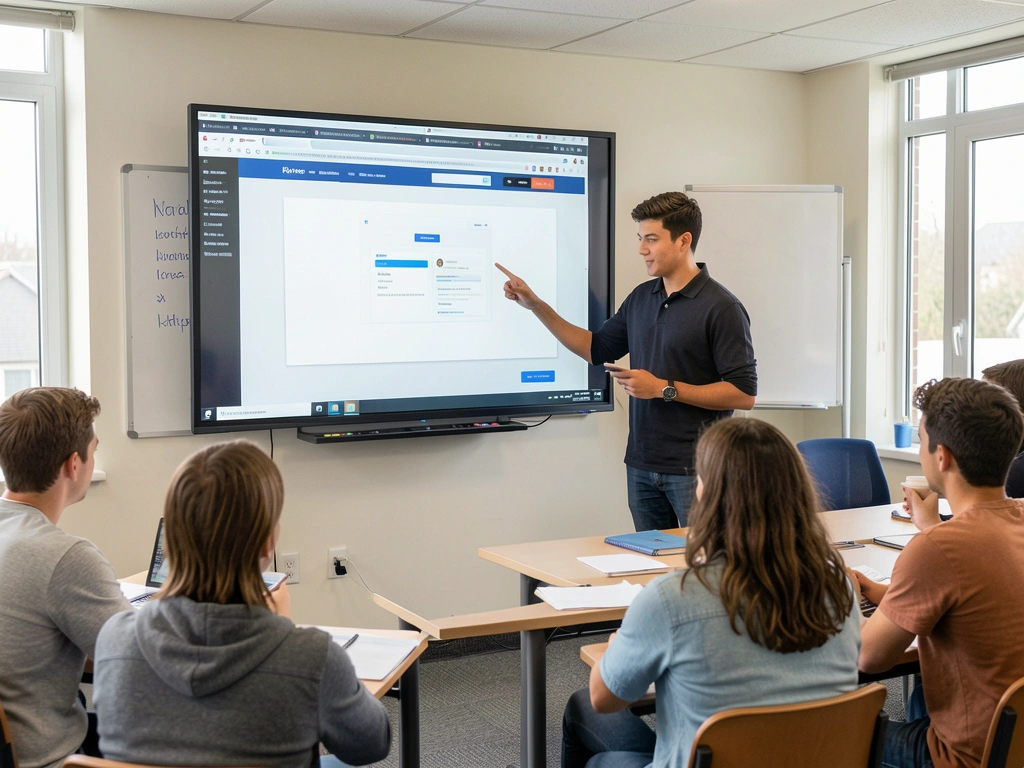
Small classes in a bright classroom, with mentors who walk the room rather than lecture from the front.





Twelve weeks of foundations, and now the bakery on the corner has a site its owner can update herself. The project reviews were the part that made everything click.
Switching careers at forty felt risky. The instructors were honest that nothing was guaranteed, which is exactly why their advice on the portfolio felt worth trusting.
Our son went from playing browser games to making them. The Saturday group is friendly, and the staff explain his progress clearly at the end of every term.
None. Web foundations and the teen club start from the very beginning. The intro class is a good way to find out whether you enjoy coding before you enquire about a course.
Laptops are provided in the classroom. For homework, any laptop from the last few years with a modern browser will do; tablets and phones are not enough.
No course can promise that, and we never quote salary figures. The career change track builds skills, a portfolio and interview practice, but hiring varies by market and by employer, so results depend on far more than any course.
Plan on four to six hours a week for part time courses and around fifteen for the full time track. Instructors help you adjust the plan if your week changes.
Evening classes are streamed live, and online students join the same code reviews as the room. The teen club runs in the classroom only.
Teen groups always have two staff present, every staff member has a background check as local rules require, and a parent or carer signs the enrolment. Staff contact students only through the academy's own channels, and any concern can be raised with the office.
Adult students can move to a later group once, with fees carried over, if they tell the office before the halfway point of the course.
Book an intro class or an information session, or send an enquiry about a full course. The office answers within one working day to confirm your place, suggest another date or set up a call with an instructor.
Drop by during office hours to watch a class in progress, or call with questions about any course.
Classroom studio near the central library, with live online classes too
| Monday to Thursday | 10:00 to 21:00 |
| Friday | 10:00 to 17:00 |
| Saturday | 09:00 to 14:00 |
| Sunday | Closed |
Evening classes are streamed live with the same instructors and code reviews. A webcam, a microphone and a steady connection are all an online student needs.
Book an information sessionThis coding school website was built by AI from two sentences. Tell us about your business and yours is built the same way, with its pages, photos and booking in place, ready to preview in minutes.
About this sample page
Launchpad Coding Academy is a made up school, and its one page site shows how a coding school can welcome cautious beginners. Two small ways to start, an intro class and an information session, sit right under the opening view with their prices and times. A fee table then sets out every course by audience, timetable and cost, followed by the topics each course covers. A frank passage on careers says what a course can do and what it cannot, which is rare and reassuring. Each of these choices helps a careful visitor take the first step.
A school using AI Web Maker writes a brief summary of its courses, and the builder turns it into draft pages and a booking form. Class bookings come in as requests that the school accepts, reschedules or declines, and fees are settled with students directly. No charge applies while the site is drafted and previewed, while a live site costs 9 a year in hosting plus the price of a domain. The sample page walks through the purpose of each section in more detail. Any school can rename the courses, change the prices and keep the same clear structure.