Bodywork and metal
Rust cut out, new steel let in, panels aligned and shut lines set before any primer goes on.
Metalworkfrom $65 an hour
Bodywork, engines and interiors restored in our own workshop, with a photo diary sent to you every Friday so you can watch the car change. Most full restorations take between nine and eighteen months, and we tell you that before anything is signed.
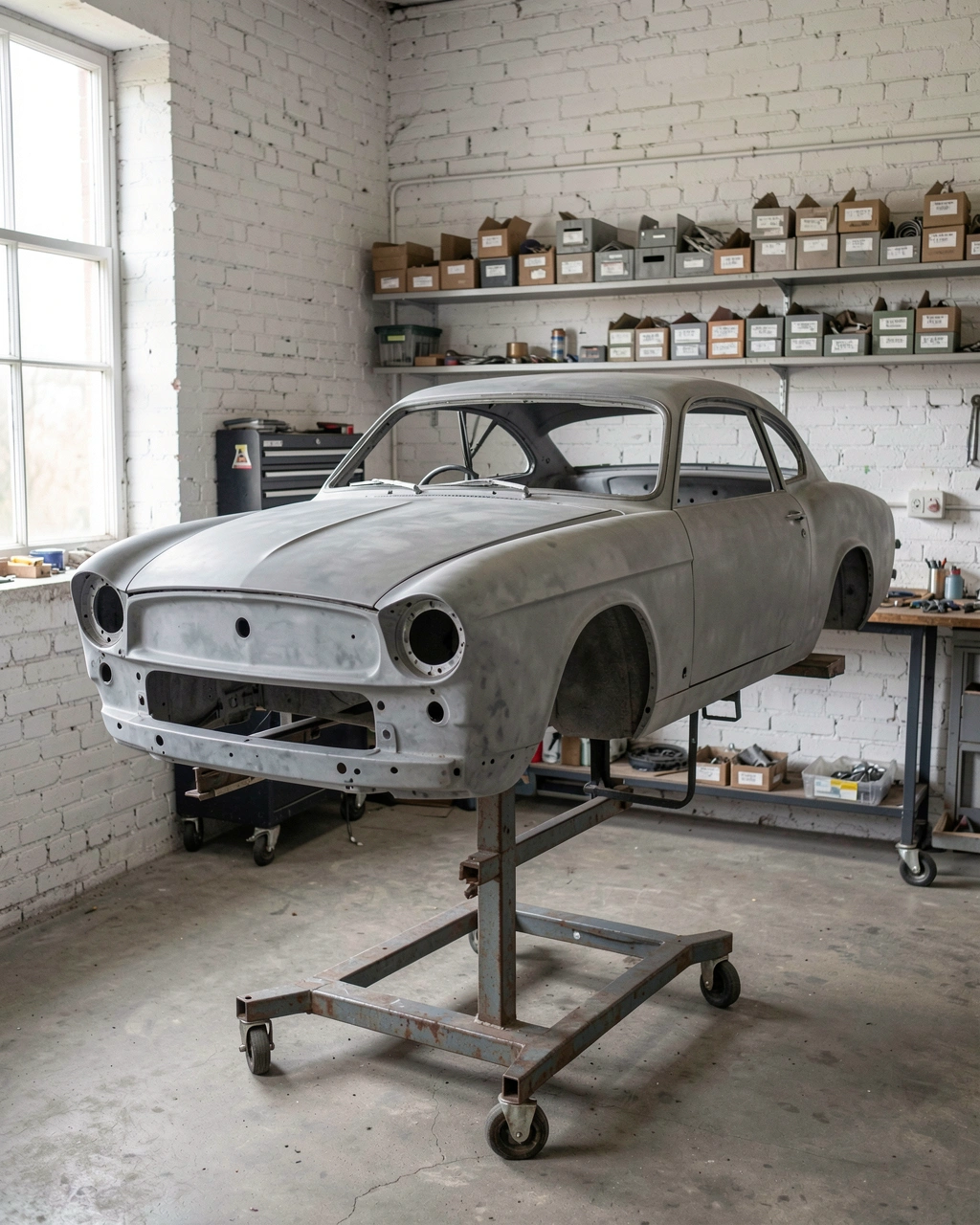
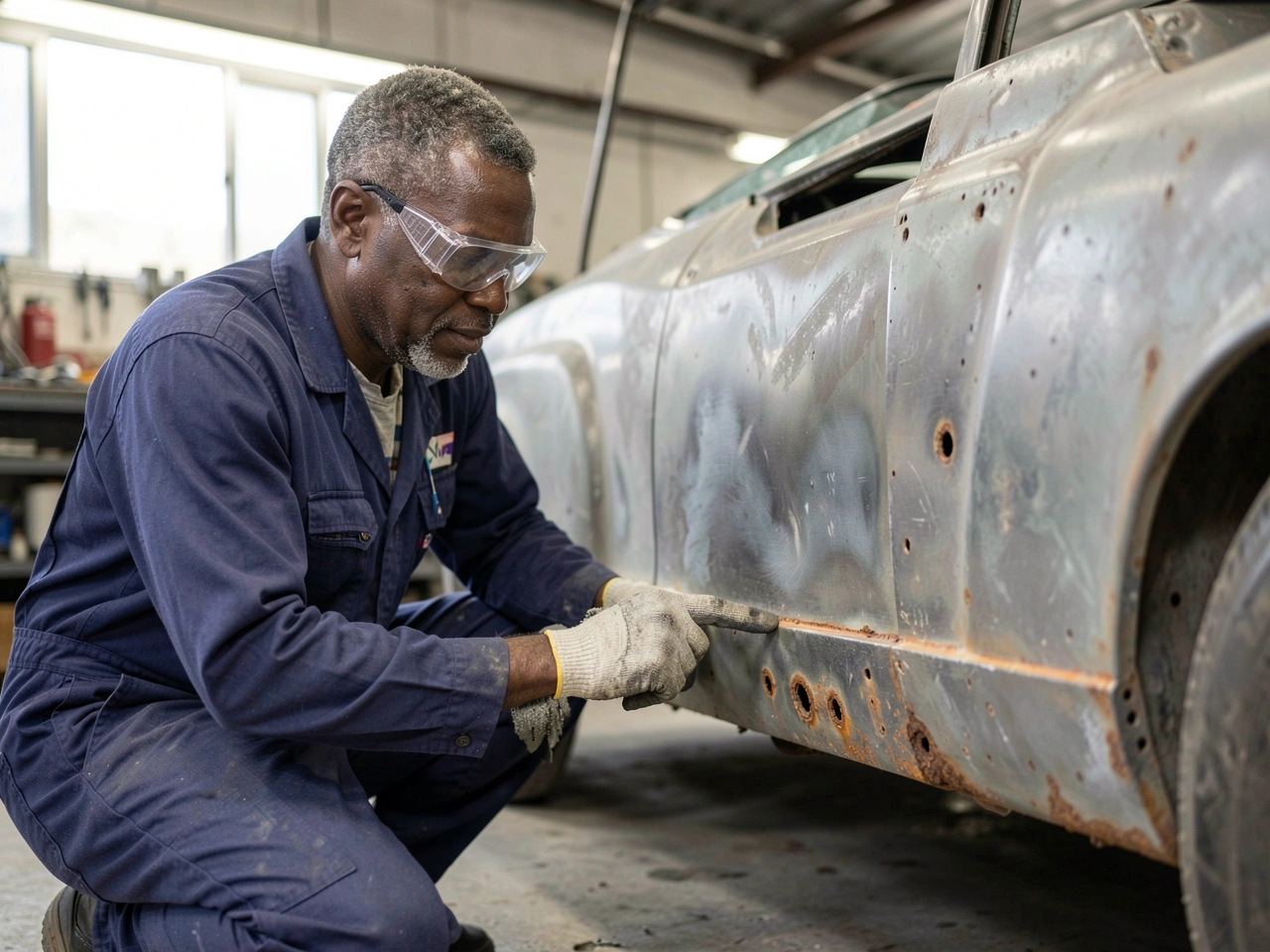
A car can look sound at a viewing and still hide filler, old repairs and rust inside the sills. We estimate from what we can see, then strip the body to bare metal and show you what is really there before the bodywork budget is fixed.
Restoration here is measured in months, not weeks. Parts for older cars can take a while to find or have made, and paint needs time to cure between coats, so we would rather give you a realistic finish date than a hopeful one.
Every car passes through the same stages, though not every car needs all of them. Each one is priced and agreed before work on it begins.
Two hours on the lift, a road test if the car runs, and a written estimate given as a range.
Every part removed, photographed, labelled and boxed, so nothing goes astray over the months.
The shell is media blasted. This is the point where the bodywork budget is set and shared.
Rotten steel cut out and new metal let in, shaped by hand where no repair panel exists.
Primer, guide coats and colour in our booth, cured between coats, then flatted and polished.
Engine, gearbox, brakes and suspension rebuilt or recommissioned while the paint hardens.
Wiring, glass, brightwork and interior refitted, then a run of test drives before handover.
Some owners bring a car for a full restoration, others for one part of it. Prices are starting points for a small saloon or roadster.
Rust cut out, new steel let in, panels aligned and shut lines set before any primer goes on.
The original colour or one you choose, laid down in our booth and finished by hand.
Stripped, measured and rebuilt with new bearings, seals and gaskets, then run in on our stand.
Seats, carpets, headlining and door cards retrimmed in leather, vinyl or cloth true to the period.
A new loom fitted, gauges and switches restored, and the charging system made dependable again.
For cars that have stood for years: fuel system, brakes, tyres and fluids brought back to safe use.
Hourly work is billed in half hours. Parts are charged at what we pay plus a handling fee, shown on every invoice.
Every owner receives dated photos and notes each week. These entries follow one car from the transporter to its first drive.
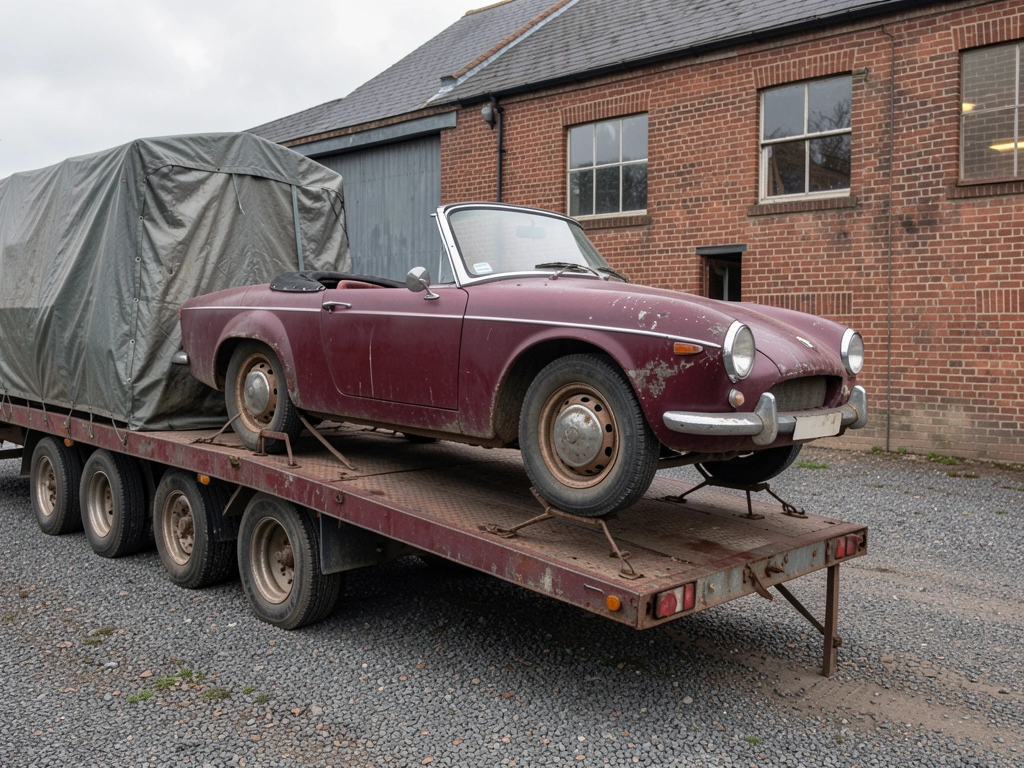
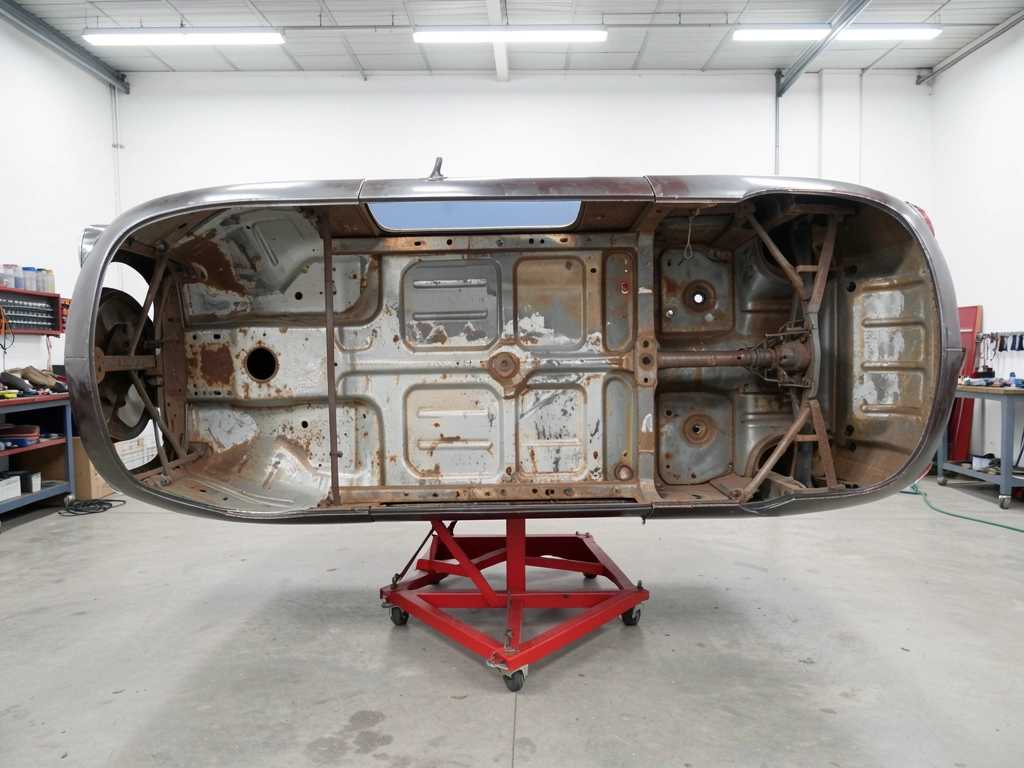
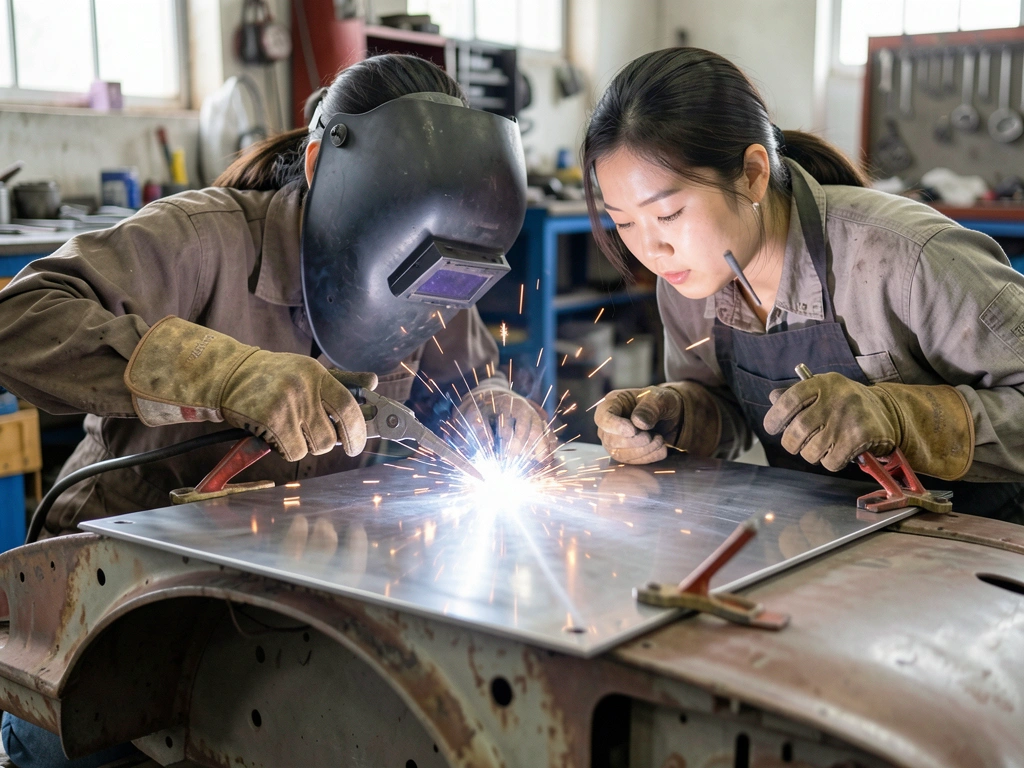
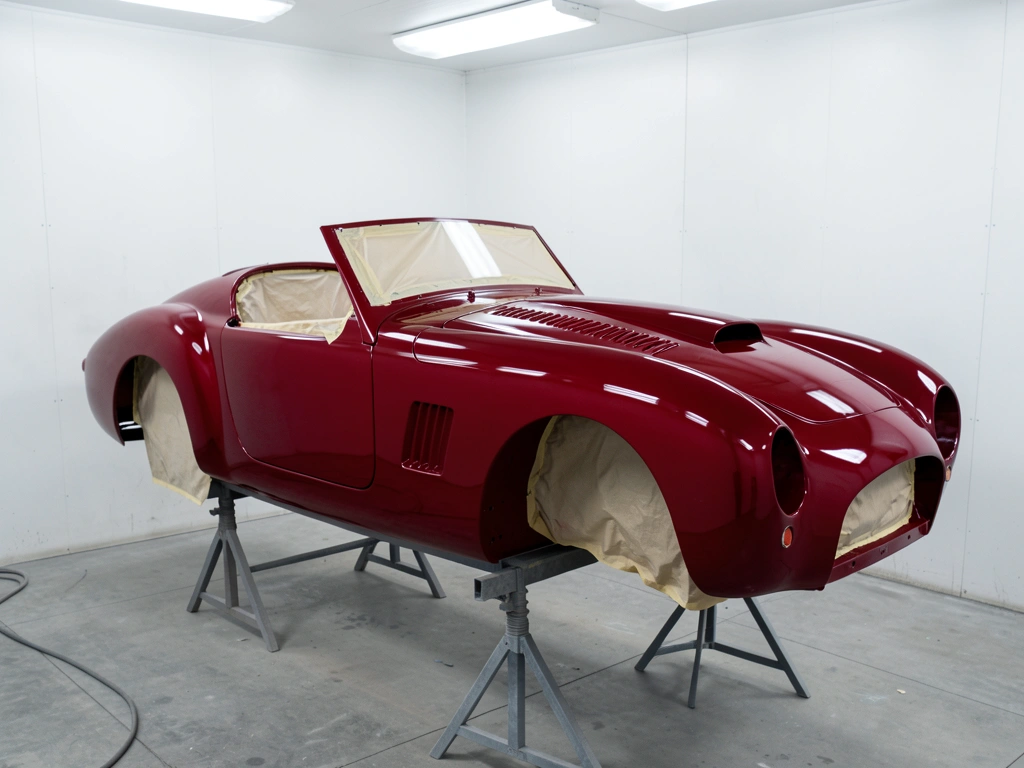
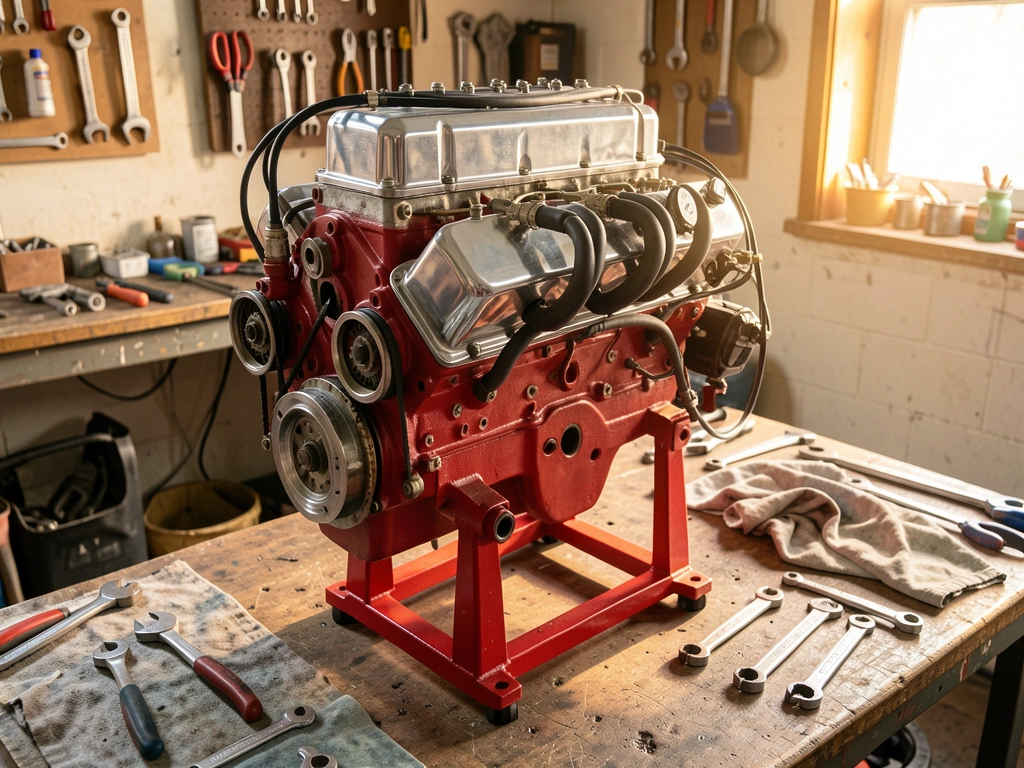
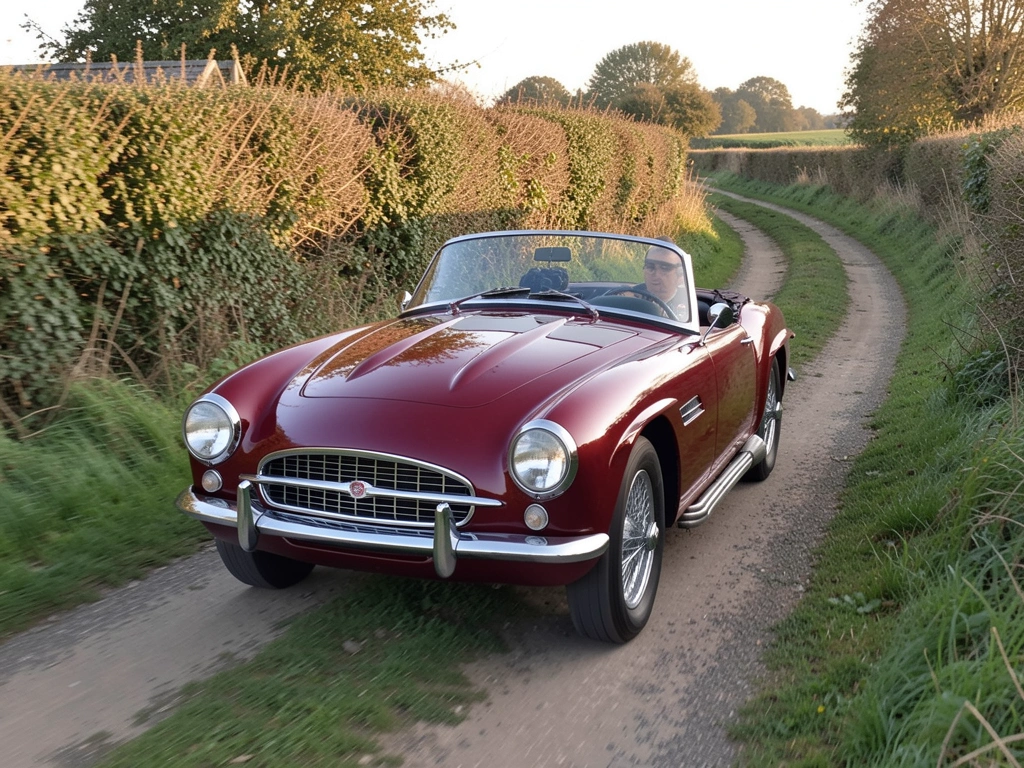
These ranges come from recent full restorations of small saloons and roadsters. Yours may sit below them or well above, and the bare metal stage is where we find out.
| Stage | Usual time | Usual range | What pushes it up |
|---|---|---|---|
| Assessment | Half a day | $350 | Nothing; the fee comes off the first stage |
| Strip and catalogue | 2 to 4 weeks | $2,000 to $4,500 | Seized fixings and parts already missing |
| Metalwork | 2 to 6 months | $8,000 to $30,000 | Rust in sills, floors and inner wings |
| Paint | 6 to 10 weeks | $9,500 to $16,000 | A colour change or a detailed engine bay |
| Mechanical rebuild | 2 to 4 months, alongside paint | $6,000 to $18,000 | Parts that must be made rather than bought |
| Trim and shakedown | 1 to 3 months | $5,000 to $14,000 | Leather, chrome replating and hard to find glass |
Figures are illustrative and change with every car. Your running total is updated in the diary each time a stage is agreed.
We describe our work by age and body style rather than by badge. If your car is not here, ask.
We never buy cars to restore and sell on our own account, so the only interest we have in your car is yours.
The Friday photos were the best part. We saw the floor come out in week six and understood exactly why the bodywork figure went up.
They said at the first visit that the engine could wait and the rust could not. The car now drives even better than it looks, and it looks very good.
Every stage price arrived in writing before the work, with photos attached. The only surprises were the ones under the paint, and those were shown to us first.
Because the largest cost, the metalwork, stays hidden until the car is at bare metal. You get a range at assessment, then a firm price for each stage once we can see what it involves.
Most full restorations take nine to eighteen months. A recommission or a single stage, such as the interior, can take a few weeks. The diary shows a planned date for each stage and is updated if anything moves.
Yes, on Saturdays by appointment. Many owners come at the bare metal stage to see the shell for themselves.
That is your choice. Some owners want the car as it left the factory, others want better brakes, cooling or a hidden modern stereo. Every change is noted in the diary so the car's history stays clear.
Half when a stage is agreed and half when it is finished. Parts over $1,000 are paid for when ordered. Payment is arranged directly with the workshop.
Yes, on our covered transporter. The charge depends on distance, and we quote it before booking.
A careful, documented restoration often helps, but values follow the market and the car, so we never promise a figure. The diary and invoices stay with the car as part of its history.
Describe the car, its condition and what you would like done. We reply within three working days to arrange an assessment at the workshop or where the car is kept.
The workshop sits down a farm track, so every visit is arranged in advance.
A countryside workshop about an hour from the city, with covered collection for cars that do not run
| Monday to Friday | 08:00 to 17:30 |
| Saturday | Viewings by appointment |
| Sunday | Closed |
Cars that do not run travel on our covered transporter. Finished cars can stay in our dry, heated store for up to a month while you make room at home.
This classic car restoration website was built by AI from two sentences. Tell us about your business and yours is built the same way, with its pages, photos and booking in place, ready to preview in minutes.
About this sample page
Heritage Motor Works is a made up restoration workshop whose single scrolling page, built for AI Web Maker, shows a restorer presenting long and uncertain projects honestly. Its first screen holds a bare metal shell and a diary caption, then admits at once that the real bodywork bill is unknown until the paint comes off. Seven project stages, each priced before it starts, explain how a car moves from assessment to shakedown. A gallery of dated diary photos and a budget table with time and cost ranges give owners proof instead of promises. Together these parts show that a restorer's strongest pitch is candour about months and money.
Restorers on AI Web Maker describe their workshop, cars and stages, and the builder hands back a first draft that already carries an enquiry form. Owners send details of the car through that form, and the workshop replies to arrange an assessment and agrees prices directly. No bill arrives while the draft takes shape, and hosting begins only at launch: $119 covers a year, with the domain bought as an item of its own. The sample page around this example gives the reasoning behind every section's position. A workshop can swap in its own diary photos and ranges while keeping the same honest order.
The whole sample website of a classic car restoration, explained ·