Open fire sweep
a flue, from$95
- Swept from below with rods and brushes
- Smoke draw test after sweeping
- Sweep certificate for the flue
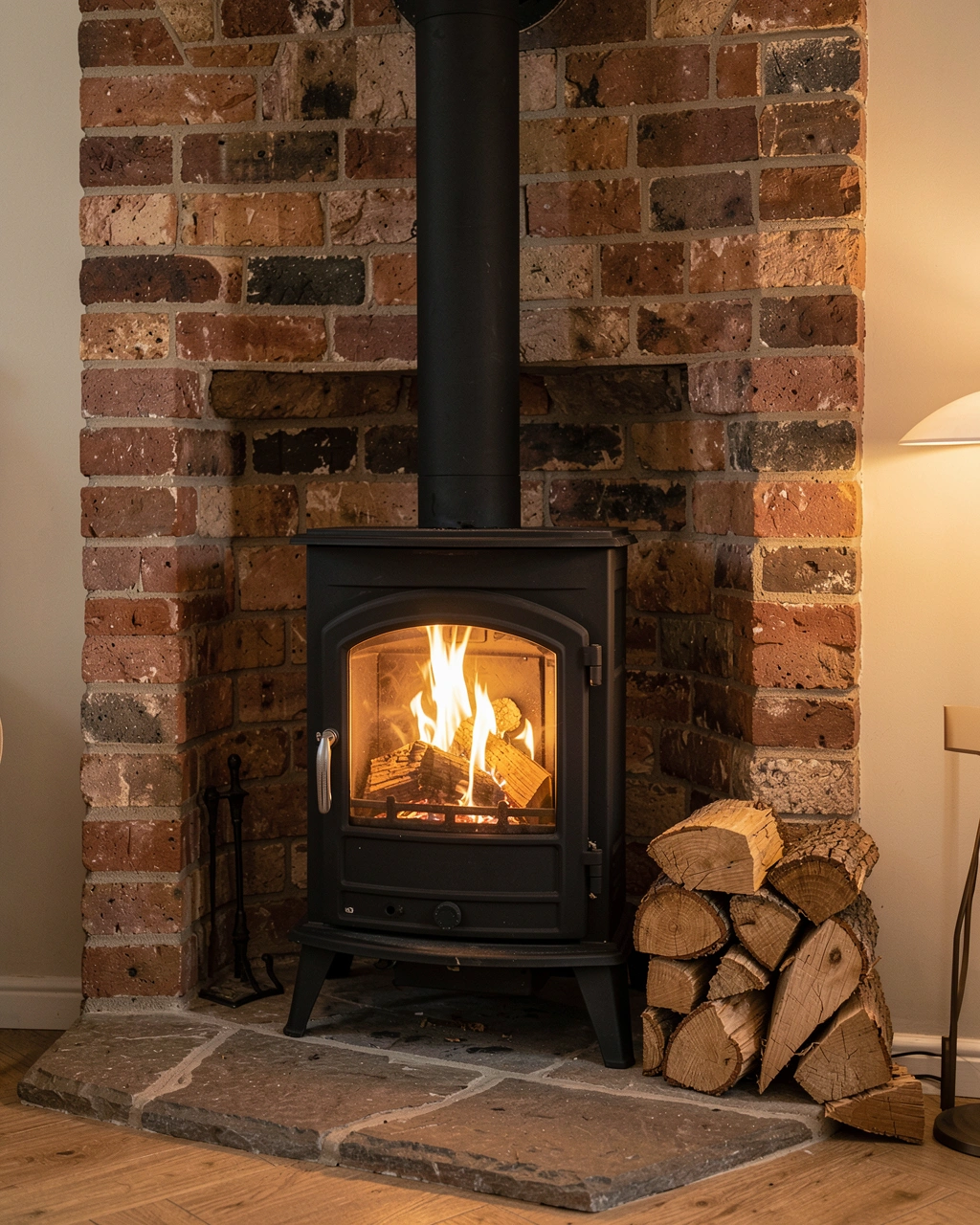
Hearthside sweeps and inspects chimneys, wood burners and multi fuel stoves in homes, with dust sheets down and a vacuum running from start to finish. Book a sweep or a camera inspection online, and a written certificate is in your hand before we leave.
Think there could be carbon monoxide in your home? Do not wait for a sweep. Put nothing more on the fire, leave the house, get into fresh air and call your local emergency number.
Safety adviceEach price covers one flue, with dust sheets, the vacuum, a smoke draw test and a written certificate included.
a flue, from$95
a flue, from$110
a flue, from$185
A second flue at the same house adds $60. Moving or cancelling costs nothing up to 24 hours before the visit; later changes are charged $30.
Jobs that often turn up during a sweep, each priced and agreed before we start.
For a house purchase, a stove left unused for years or a flue that smells. The video and a written report follow by email.
A smoke pellet lit at the base of the flue with the top covered, to show leaks through a cracked liner or tired mortar.
Nests cleared from the flue and pot once they are empty, then a guard fitted so the birds cannot come back.
Mesh guards and rain cowls fitted to the pot to keep out birds, rain and the down draughts that push smoke back into the room.
Rope seals, glass seals and firebricks replaced, the door adjusted and stiff air controls eased so the stove burns cleanly.
An alarm supplied and fixed in the room with the fire or stove, placed where it gives the earliest warning.
A guide for chimneys in regular use. The stove maker's instructions and any local rules come first, and some insurers set their own.
| What you burn | How often we suggest | Why |
|---|---|---|
| Seasoned wood, most days in winter | Before the season and midway through | Wood leaves soot and tar that build up fast |
| Wood at weekends only | Once a year, before the season | Tar still forms in a flue that rarely warms through |
| Smokeless fuel | Once a year | Less soot, but ash and debris still gather |
| Coal | Before the season and midway through | Heavy soot and acidic deposits |
| Oil fired appliances | Once a year | Light soot that can still block a narrow flue |
| Any fire unlit for a year or more | Before the first fire | Nests, leaves and fallen mortar are common |
The room is left as we found it, usually within the hour.
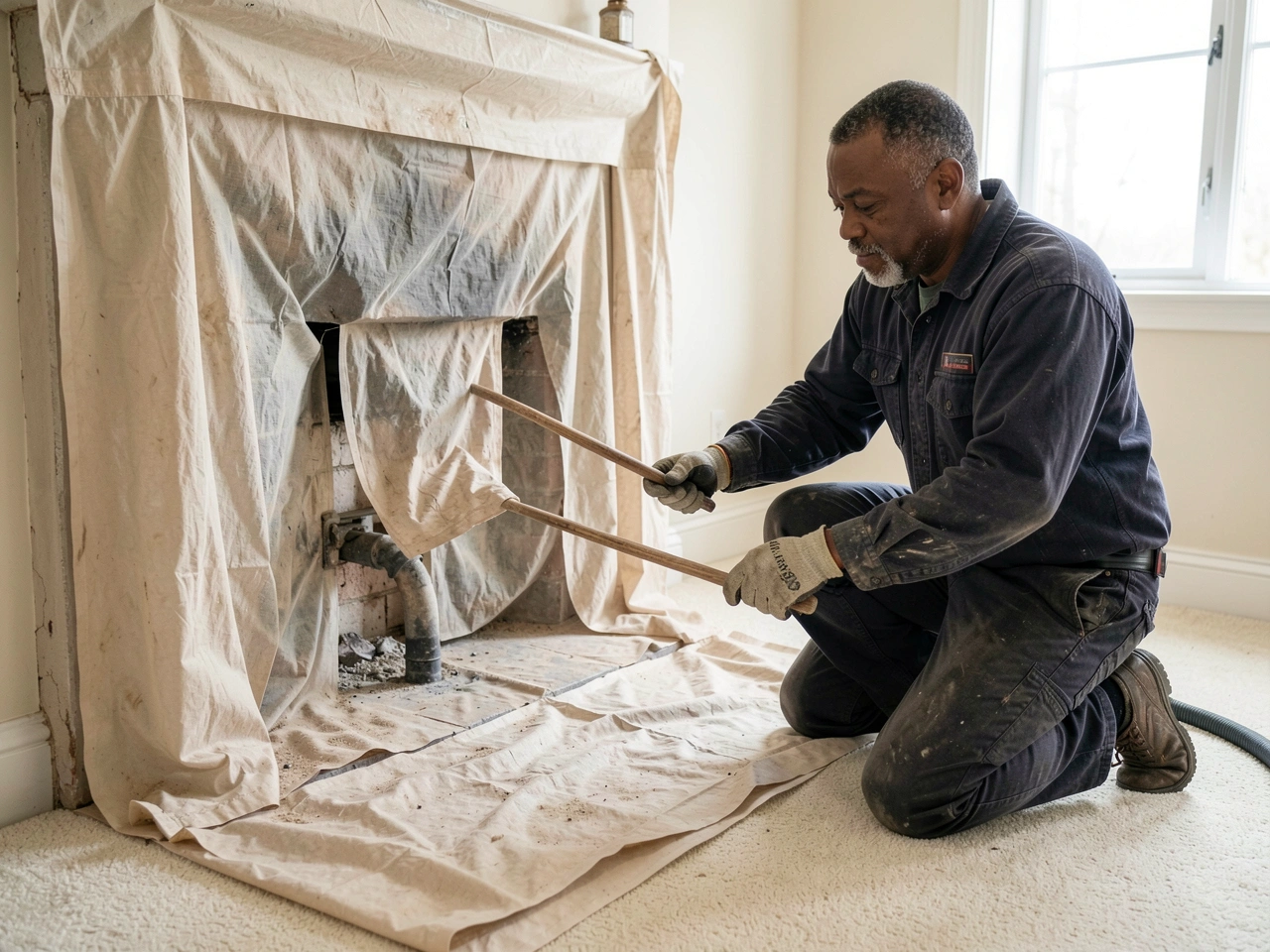
Dust sheets go down, the fireplace is sealed with a sheet, and an industrial vacuum runs throughout.
Rods and brushes go up the flue a length at a time until the pot is clear, with the soot falling into the sealed space.
A smoke test shows the flue pulling smoke up and out, and any leak shows up straight away.
You get a written certificate for each flue, noting its condition and anything to keep an eye on.
Carbon monoxide has no smell and no colour, so a working alarm is the only reliable warning. We recommend one in every room with a fire, a stove or any fuel burning appliance, and we test any alarm we find on every visit.
If you suspect carbon monoxide, put nothing more on the fire, leave the house, get into fresh air and call your local emergency number. Stay out until it has been checked. Certificates, alarm rules and who may fit a stove all vary by country, and we tell you what applies where you live.
A look at the tools, the flues and the finished fireplaces from an ordinary week of sweeps.
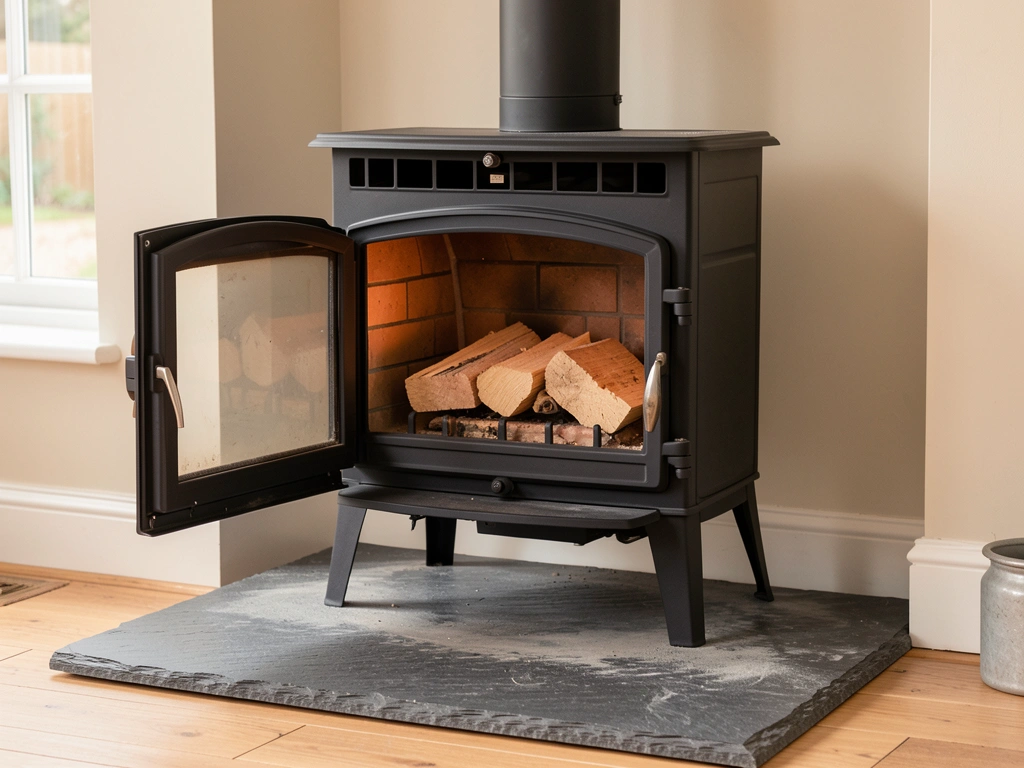
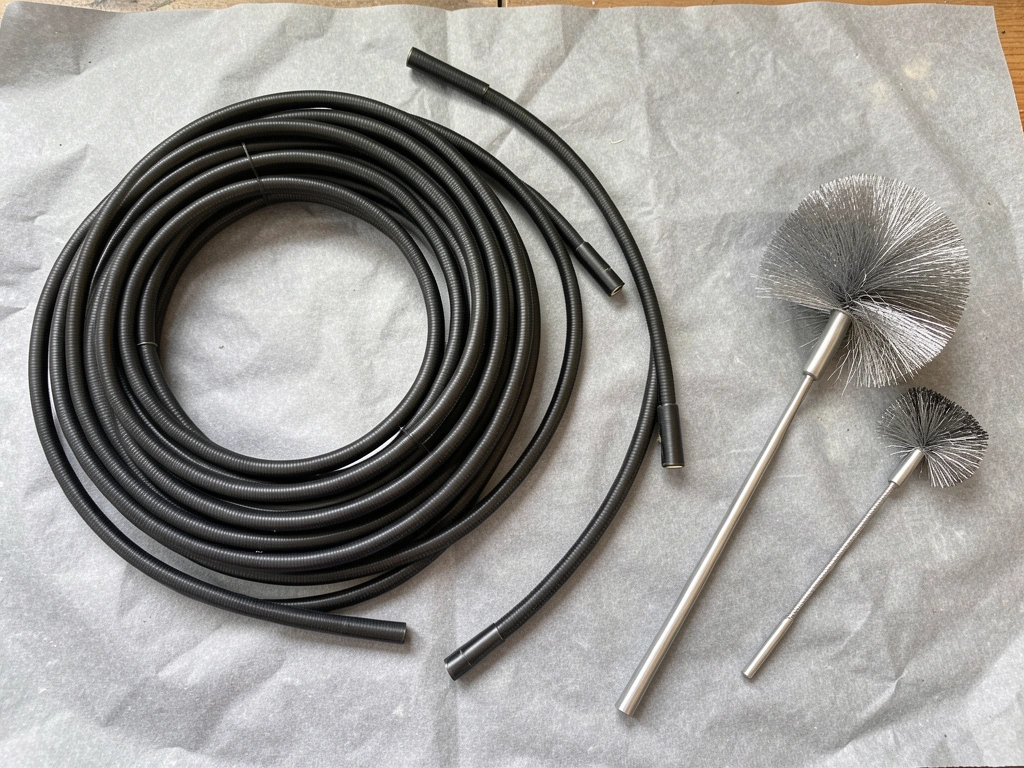
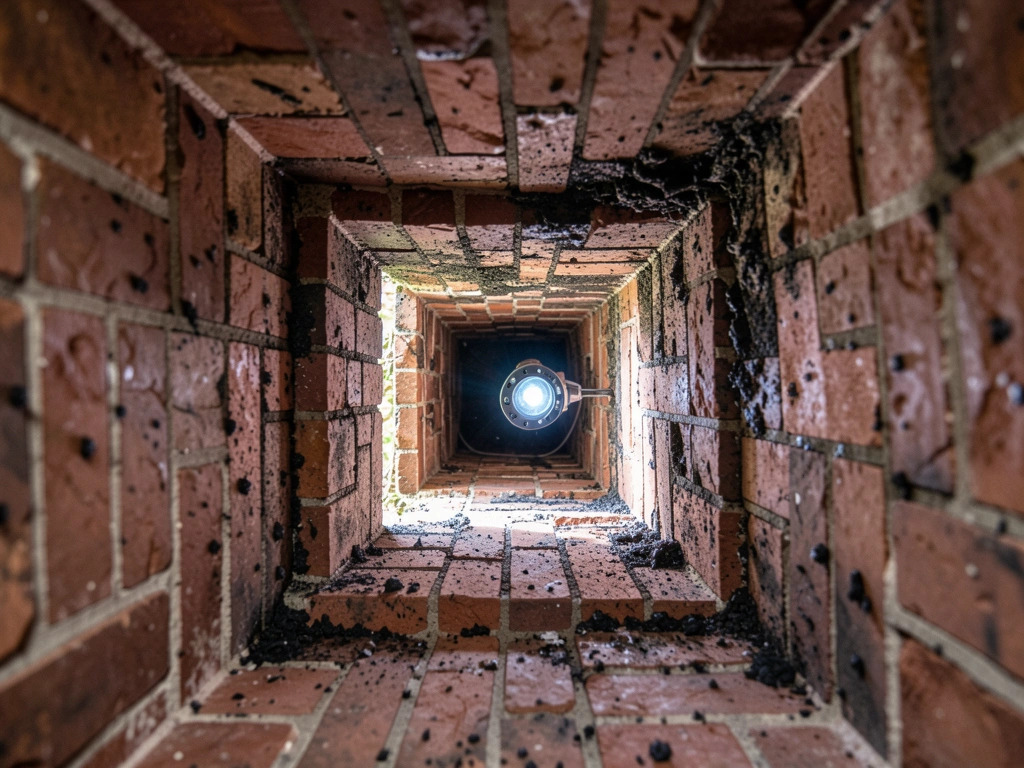
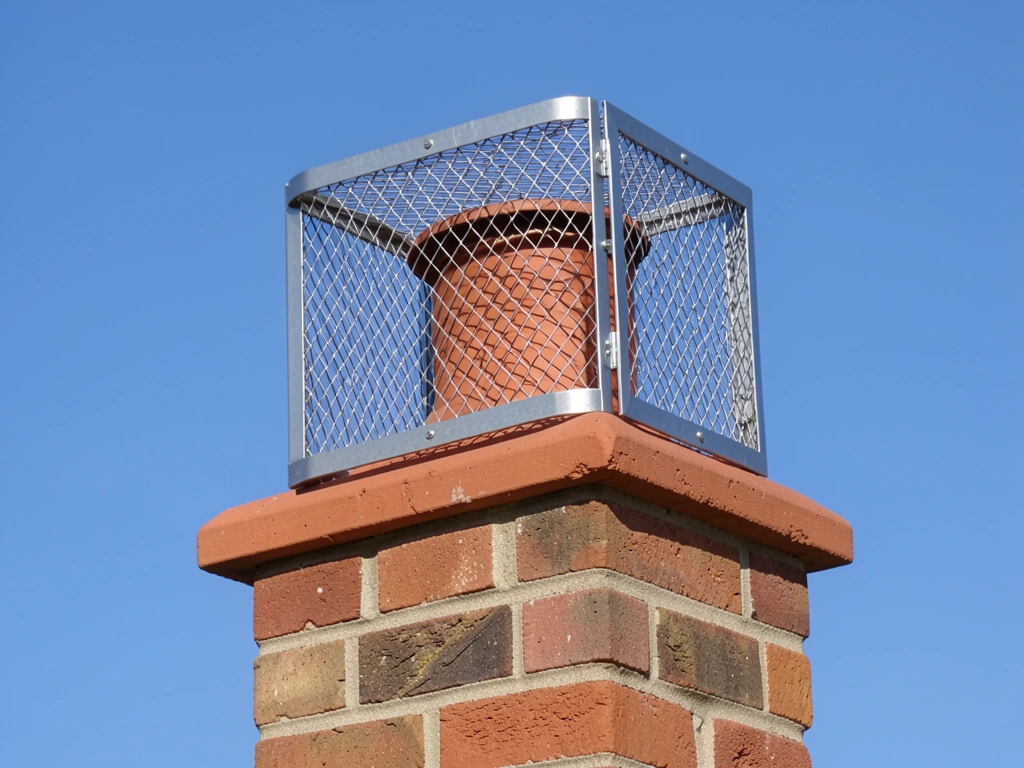
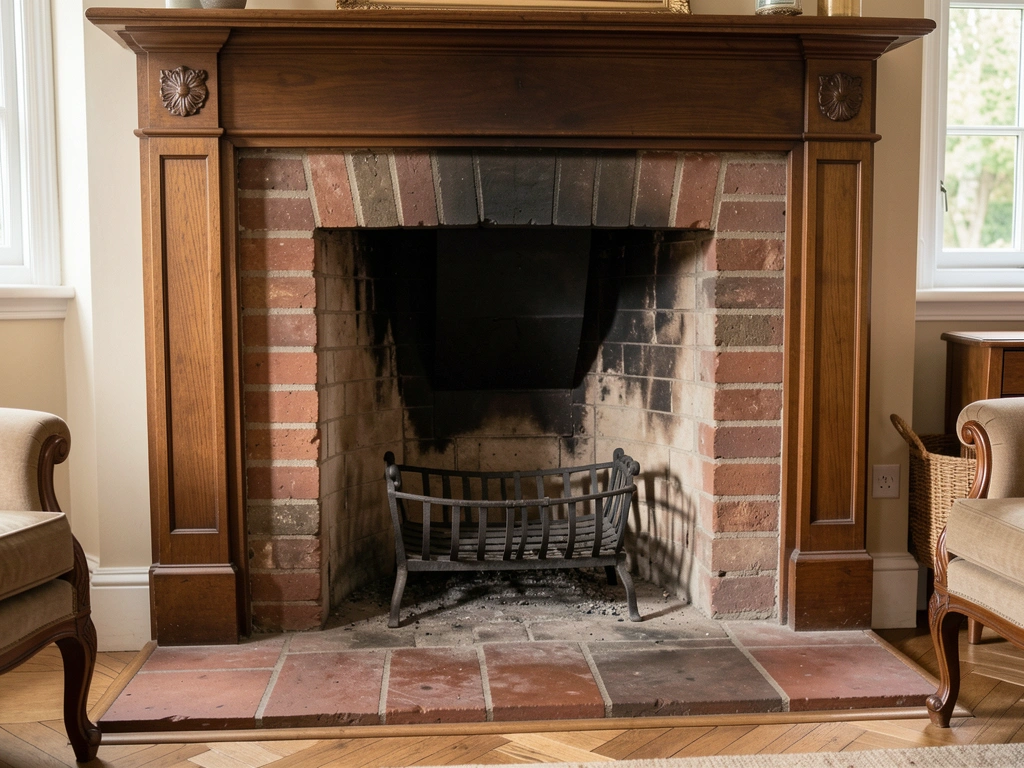
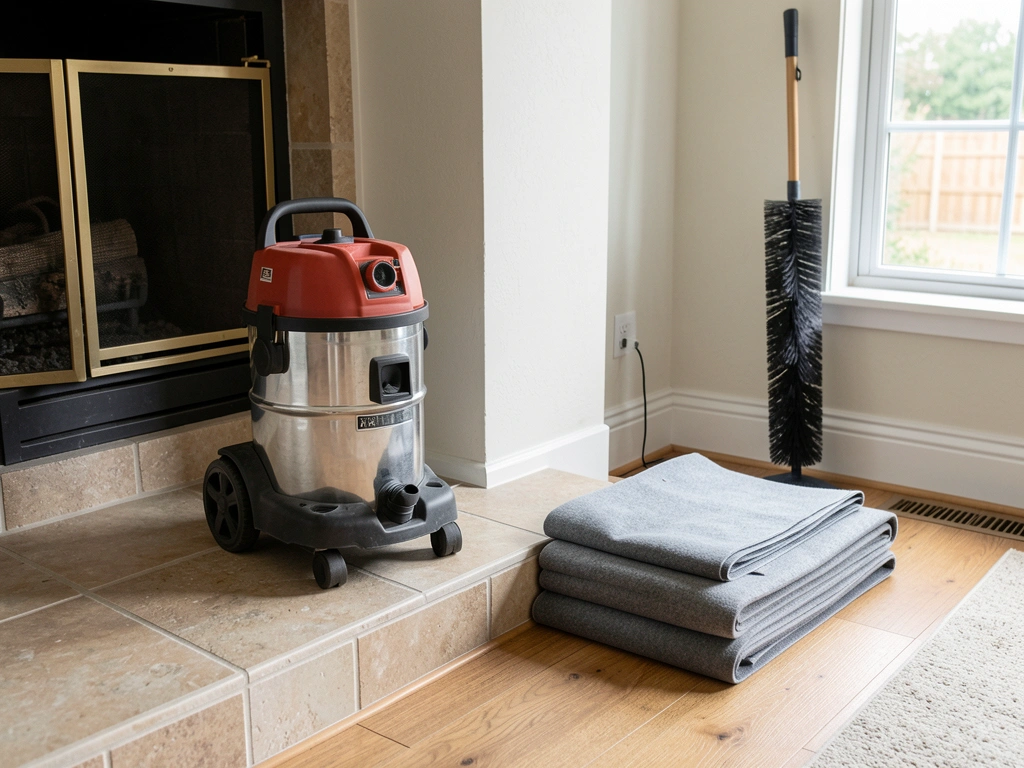
The stove had been puffing smoke into the room since spring. A nest was jammed at the top of the flue; it came out, a guard went on, and the camera footage showed the flue clear.
Not a speck of soot on the cream carpet, which was the big worry. The certificate was emailed the same afternoon, ready for the insurer.
An old house with three fireplaces and no idea which ones worked. The camera showed which flue was sound and which needed a liner, with stills to prove it.
Hardly at all. The fireplace is sealed, sheets cover the floor and the vacuum runs throughout, so the soot ends up in the vacuum and the bags leave with us.
Many insurers and landlords ask for one, and in some places it is a legal requirement. The rules differ between countries and regions, so check your policy and local rules; every sweep we do comes with a certificate either way.
Late summer or early autumn, before the first fire of the season. Days fill quickly once the weather turns cold, so early bookings get the widest choice.
Yes. Let the fire or stove go out the night before, so the flue and the firebox are cold when we arrive, and clear the hearth if you can.
Yes, once it is empty. In many countries nesting birds are protected while a nest is in use, so an active nest stays until the young have flown. Then we clear the flue and fit a guard.
We sweep, inspect and service, but we do not install stoves or liners. Who may install them depends on local rules, and we can explain what to look for in an installer.
Choose the service, what you burn and a day that suits. Expect a reply within one working day, confirming a morning or an afternoon slot.
Calls are answered between jobs, so leave a message if the line is busy and we ring back the same day.
| Monday to Friday | 08:00 to 17:00 |
| Saturday, autumn and winter | 08:00 to 12:00 |
| Sunday | Closed |
Homes in the town and the villages around it. Farmhouses and cottages further out are covered on set days each month, so ask when we are next nearby.
This chimney sweep website was built by AI from two sentences. Tell us about your business and yours is built the same way, with its pages, photos and booking in place, ready to preview in minutes.
About this sample page
Hearthside Chimney Sweep is a fictional business whose one page site shows how a sweep can present prices, safety advice and bookings on AI Web Maker. A dark, glowing hearth fills the opening view, followed straight away by a carbon monoxide warning that points worried visitors to the local emergency number. Prices per flue for open fires, stoves and camera inspections come next, with the other chimney jobs priced just below. A guide to how often to sweep, four steps describing a clean visit and a section on alarms answer the questions households ask every autumn. The page closes with example reviews, answers to common questions and a short booking form.
Sweeps on AI Web Maker start from a brief description of their work, which the builder turns into a first version of the site with a booking request form. Requests arrive for a chosen day, and the sweep confirms them, offers another day or declines them. Fees are paid by the household to the sweep, with no share going to the platform. Nothing is billed during building and previewing. Once published, the site costs $119 a year to host, with the domain paid separately. The sample page explains the thinking behind each block, so a sweep can follow the order and change the details.