Worry and fears
Separation worries, fears that keep growing, panic, and the worry that stops a child from joining in.
Assessments and therapy for children from four and teenagers up to seventeen. Parents meet the psychologist first, stay involved throughout and always know how things are going. Kite is not a crisis service. In an emergency, call your local emergency services.
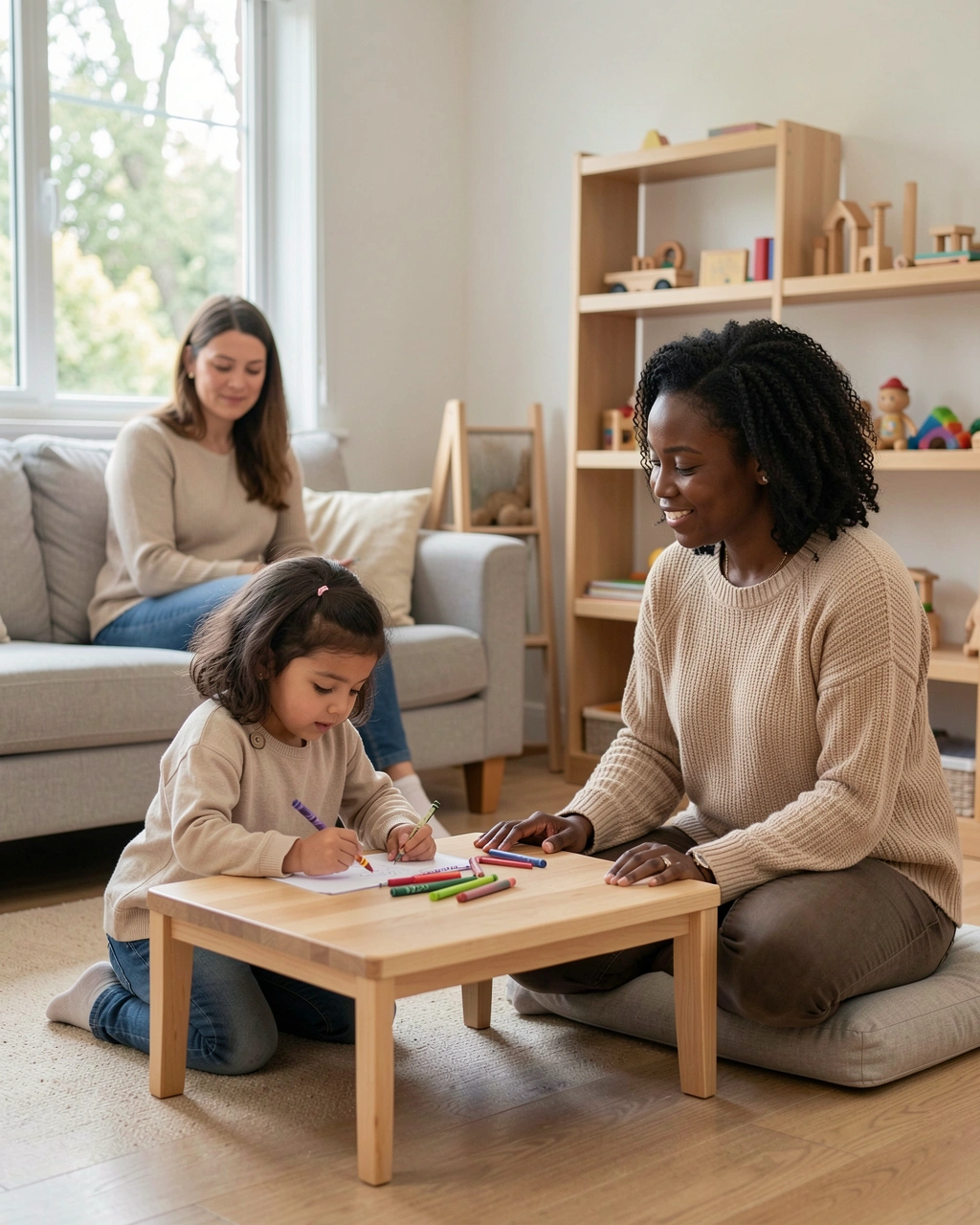

The first meeting is with parents or carers alone, so you can say what has been happening at home and at school without little ears listening. After that, how you join in depends on your child's age: younger children often have a parent in part of each session, while teenagers usually see the psychologist alone and parents come to the reviews.
Every six sessions there is a review with parents to look at what is changing, what is not and whether to carry on, change the plan or stop. You also leave with ideas to try at home between sessions, written down so nobody has to remember them.
Kite works with children aged four to twelve and teenagers aged thirteen to seventeen. Families usually call about one of the six things below.
Separation worries, fears that keep growing, panic, and the worry that stops a child from joining in.
Meltdowns, outbursts and the feelings underneath them, for the child and for the family living around them.
Not wanting to go, trouble settling, friendship problems and the strain around tests or a change of school.
Separation, a new baby, a move, illness in the family or the loss of someone close.
Withdrawing, losing interest, sleeping badly or seeming flat for weeks rather than days.
A careful look at development, learning or attention, written up in a report for parents. Which conditions a psychologist may diagnose depends on the country.
Kite does not offer crisis support, court reports or medication. If we are not the right service for your child, we say so on the first call and suggest where to turn.
Nobody is rushed, and a child can meet the psychologist more than once before any therapy begins.
A psychologist rings you for about twenty minutes to hear what is going on and check that Kite is the right place.
An hour with parents only, where the assessment begins: early years, development, school and what you have already tried.
One or two sessions of play, drawing or talking, so your child gets to know the psychologist at their own pace.
The psychologist shares what they have understood, and together you decide whether and how to go on.
Each appointment is paid for on its own, and there are no bundles to buy. Assessments are priced in writing before they start.
| Appointment | Who comes | Length | Fee |
|---|---|---|---|
| Introductory call | Parents | About 20 minutes | No charge |
| Parent meeting | Parents or carers | 60 minutes | $150 |
| Session with your child | Child, a parent for part | 50 minutes | $130 |
| Review meeting | Parents, sometimes the child | 50 minutes | $130 |
| Assessment and report | Child and parents, several visits | Agreed first | from $950 |
Fees are paid to the practice after each appointment. If you cancel within 48 hours of the appointment it is charged, unless your child is ill. Whether insurance or a public scheme helps depends on your country and your plan.
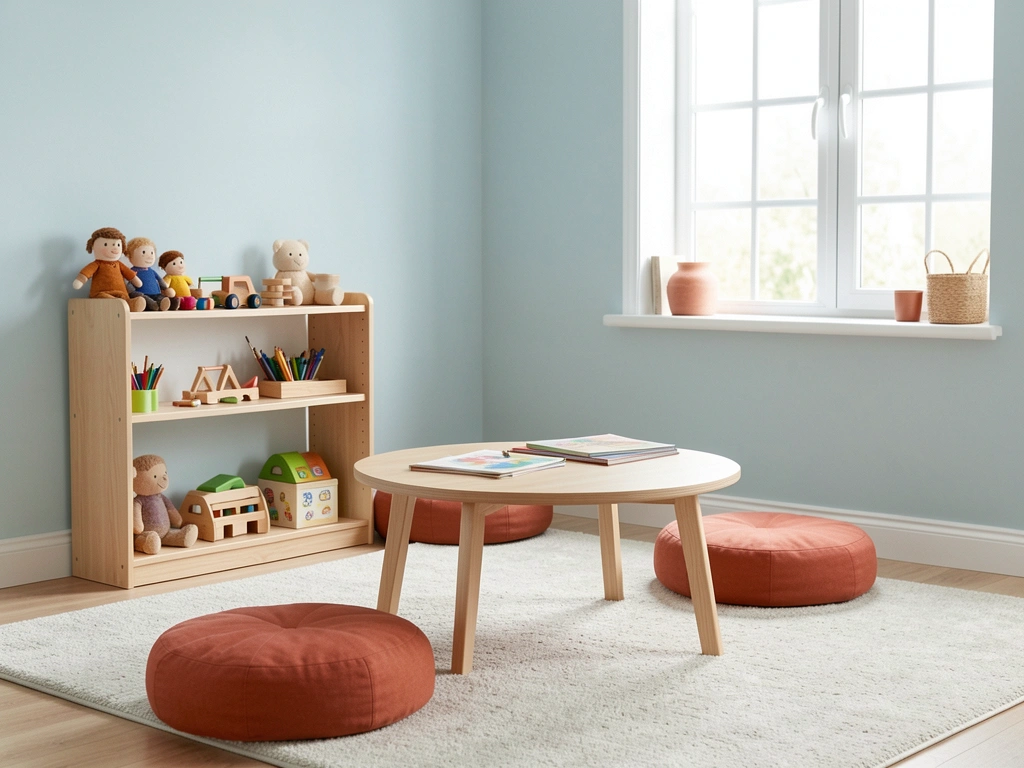
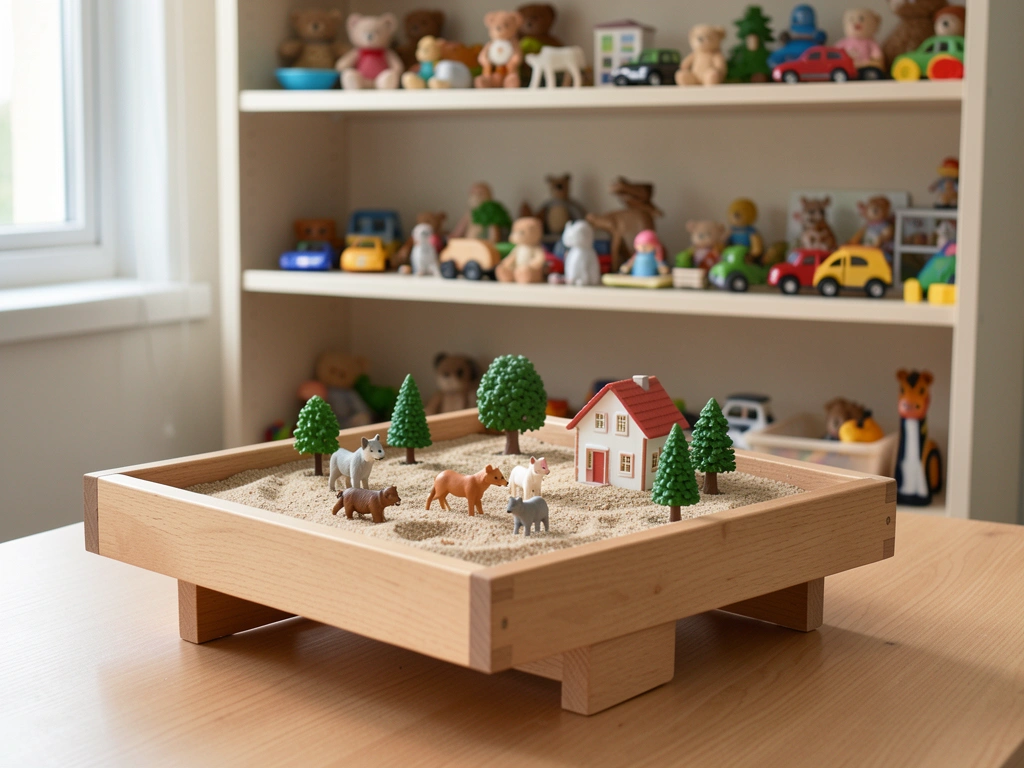
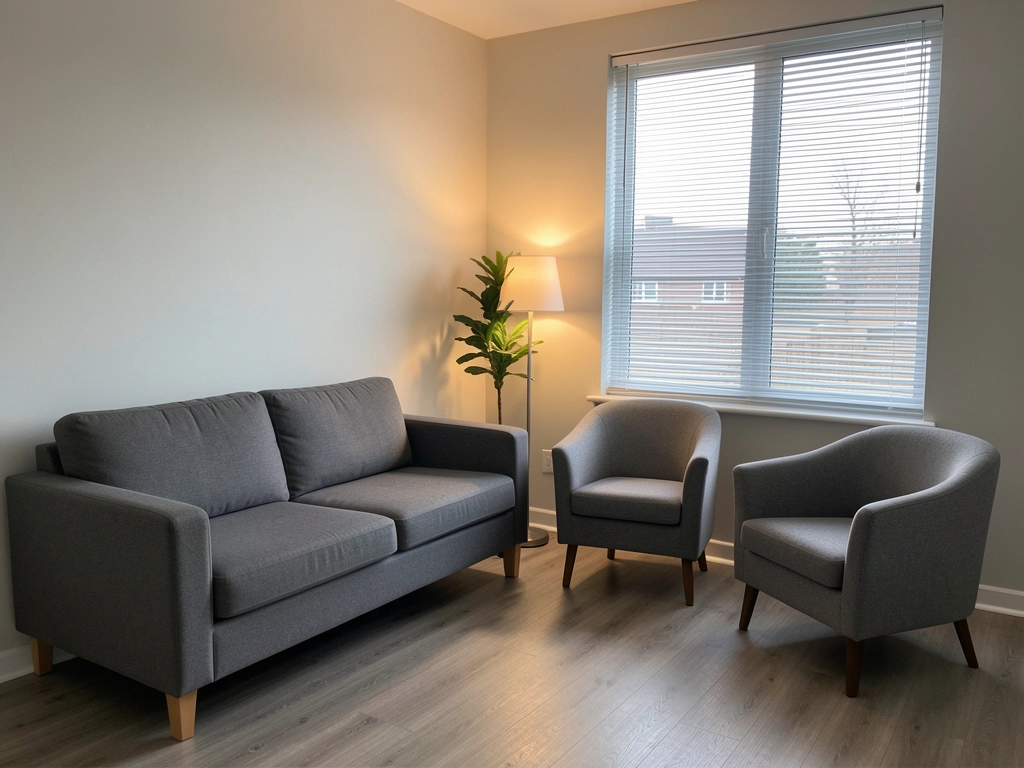
The playroom has low tables and a sand tray. Teenagers have a quieter room of their own, with a sofa and no toys in sight.

Children open up more when they know their words will not be repeated, so the psychologist agrees with each family, in front of the child, what will be shared. Parents hear the themes, the progress and ways to help at home, but not every sentence their child says.
There is one clear exception. If the psychologist is worried about a child's safety or someone else's, they share that with the people who need to know, and they tell the child first wherever they can. Rules on consent and confidentiality for young people differ between countries, so the parent meeting covers how they work at Kite.
The kind of thing parents tend to say once the first weeks are behind them.
The first meeting was just us, which meant we could say things we would never say in front of our daughter. That hour shaped everything that followed.
Our son would not talk for two sessions and spent them building in the sand tray. Nobody pushed. By the fourth he was explaining the castle and who lived in it.
Our fifteen year old liked having her own room and her own time. The reviews told us enough to help at home without breaking her trust.
We help you decide what to say beforehand, in words that suit their age. Most children cope better with a simple explanation, such as a person who helps children with worries, than with a surprise.
No. Many families come with neither. Some insurers and schools ask for a doctor's referral, so check before booking if you hope to claim. If an assessment is what you are after, say so on the call.
Parents or carers only. Parents who live apart can come together or separately, and we ask that both are kept informed wherever that is safe and allowed.
Younger children usually play, draw or build, because that is how they show what is on their minds. Teenagers mostly talk, and some prefer a walk round the garden to sitting face to face.
Either. With your consent, and your teenager's when they are old enough, the psychologist can speak to a teacher or write a short letter. Nothing goes to school without that consent.
Kite is not a crisis service, and messages are not read out of hours. In an emergency, call your local emergency services or go to the nearest emergency department. For worries that are urgent but not an emergency, your family doctor is the first call.
Say a few words about your child and what is worrying you. Within two working days a psychologist writes back to set up the short call.
This form is read in working hours only. In an emergency, call your local emergency services.
A ground floor practice with a small garden, space for a buggy and a quiet way out after sessions. Saturday mornings are kept for parent meetings.
A converted cottage behind the library, a short walk from the tram stop
| Monday to Thursday | 09:00 to 19:00 |
| Friday | 09:00 to 15:00 |
| Saturday | 09:00 to 12:00 |
| Sunday | Closed |
Kite is not a crisis service. In an emergency, call your local emergency services or go to the nearest emergency department.
This child psychologist website was built by AI from two sentences. Tell us about your business and yours is built the same way, with its pages, photos and booking in place, ready to preview in minutes.
About this sample page
Kite Child Psychology does not exist, but its page shows how a practice for children on AI Web Maker can put parents at ease first. A chalkboard reading big feelings, small steps sits beside the opening photo, and the paragraph under the heading ends with a plain line about emergencies. A section on how parents take part comes before the six reasons families get in touch. The first weeks, the fees, the rooms and a section on privacy then answer the questions that keep parents from calling. That running order mirrors the way a worried parent thinks, moving from whether they will be included to what it will all cost.
Signing a practice up to AI Web Maker starts with a short description of its ages, its way of involving parents and its fees. The builder turns that into a drafted page with a request form for a first parent meeting. The practice decides on each request, accepting it, moving it or declining it, and the fee travels from family to practice while the platform keeps none of it. Drafts and previews are never billed; hosting a public page is $119 for the year or $19 for one month, with the domain on top. Kite's notes give the purpose of every section, so a real practice can keep the order and replace the details.
The whole sample website of a child psychologist, explained ·