One to one
A full hour built around your own games, openings and weak spots, online or at the coach's table.
An hour$55
One to one and small group lessons for children and adults, online or across a real board. Every lesson begins with a game you played, and nobody is promised a rating, a title or a trophy.
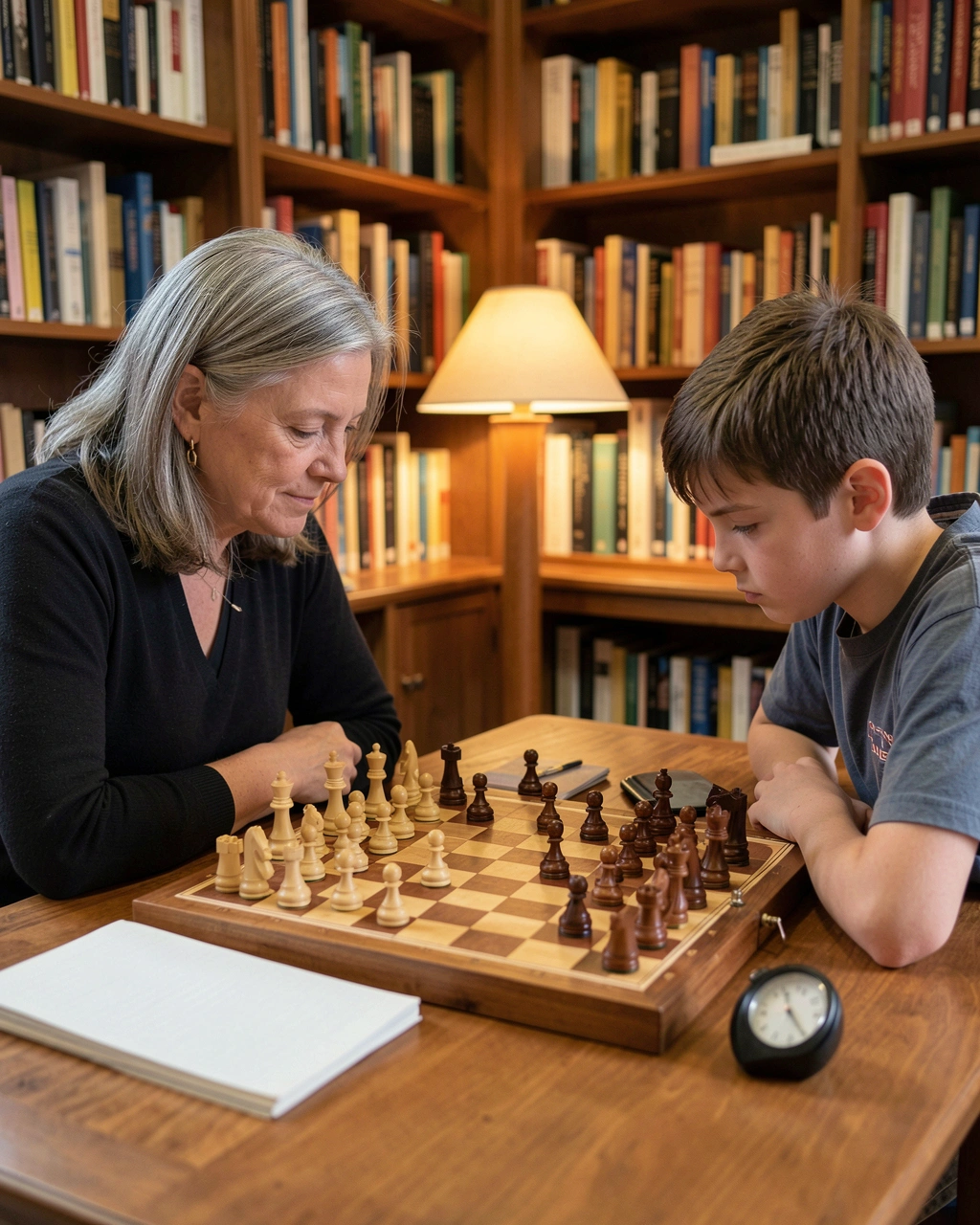
The shape stays the same whether the board is on a screen or on the table.
Pupils bring or send a recent game. Losses teach the most, and nobody is judged for them.
Coach and pupil find the moment the game changed and the question that was never asked.
A pattern, a plan or an endgame technique that mends that moment, shown on a clean board.
The pupil plays the position against the coach until the idea starts to feel natural.
Five to ten short exercises on the same idea, checked at the start of the next lesson.
Online and in person lessons cost the same. Every format can begin with the 45 minute first lesson.
A full hour built around your own games, openings and weak spots, online or at the coach's table.
Two players of a similar level share the hour, play each other and pick the game apart together.
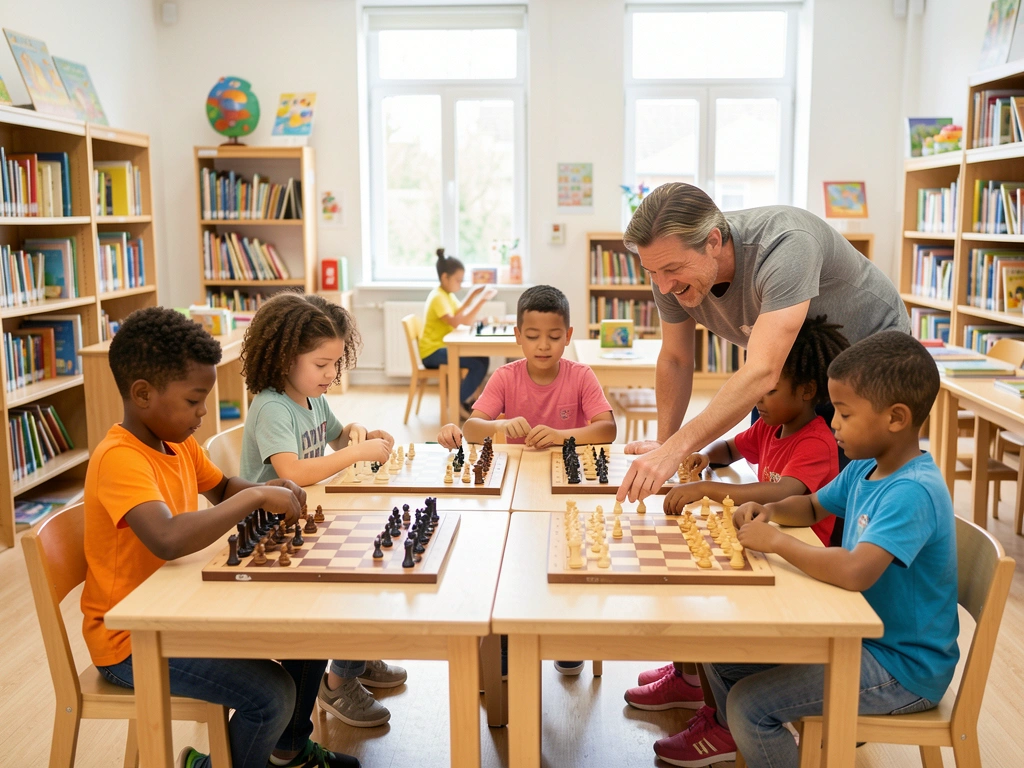
Four to six children aged 6 to 11 on Saturday mornings, with puzzles, short games, a coach and an assistant.
Six one to one lessons before a competition: opening choices, practice games on the clock and calm between rounds.
Nobody needs to know their rating. The first lesson finds the right level by playing a game and talking it through.
| Starting point | Can already | Lessons work on |
|---|---|---|
| First moves | Name the pieces, or not yet | How each piece moves, check, checkmate and the first simple plans |
| Casual player | Finish a game without help | Not leaving pieces undefended, opening principles and basic endgames |
| Club player | Play at a club or online each week | Calculation, middlegame plans and rook endings |
| Competition player | Play rated games at events | Opening choices, preparing for opponents and using the clock well |
Ratings rise and fall with every game played. The coach follows the habits that win and lose games, not the number.
Topics come from each pupil's own games, so no two terms look alike. These are the ones that come up most.
Openings are taught as ideas rather than long memorised lines, because most games below club level are settled by tactics well before move twenty.
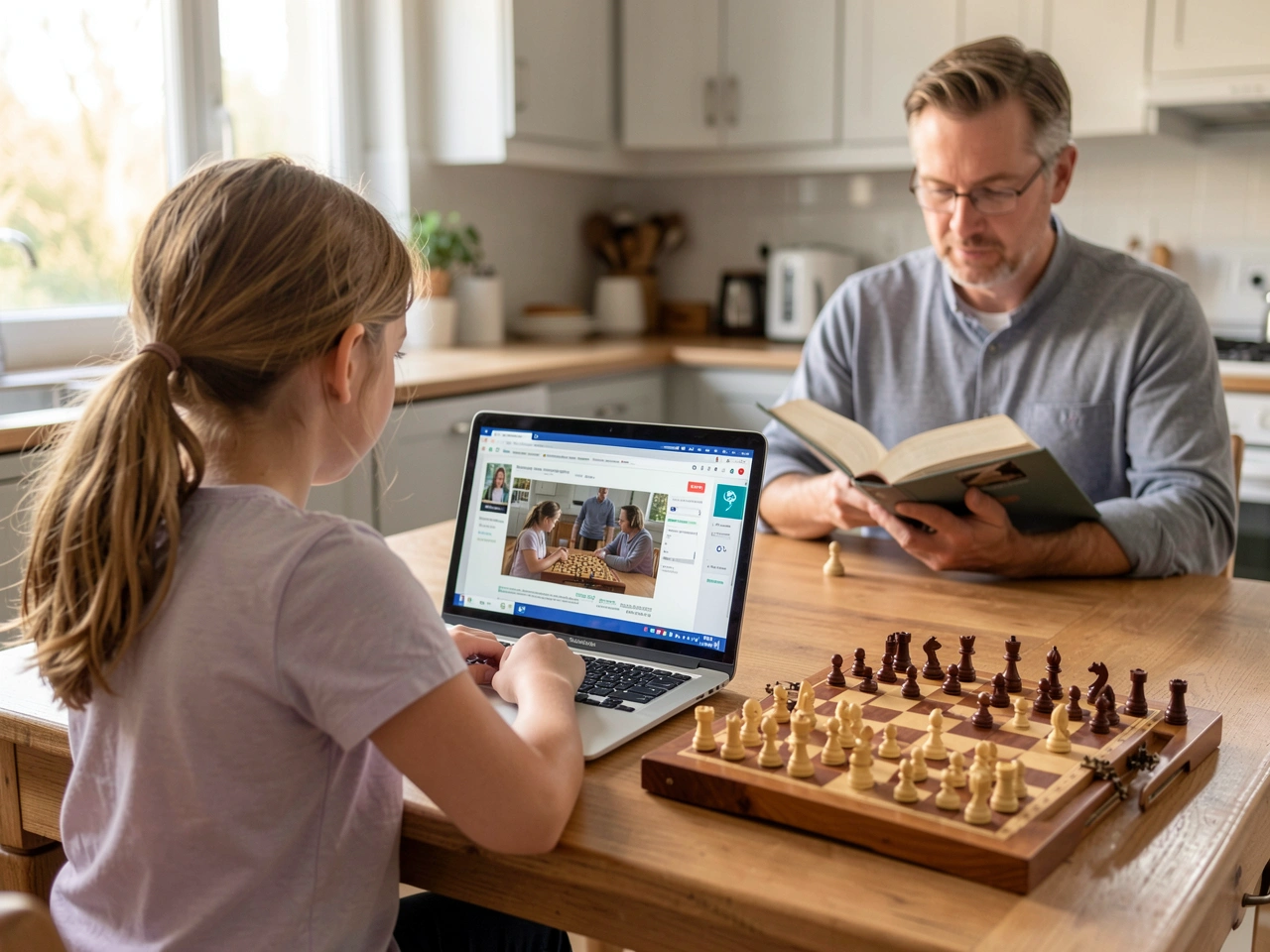
Online lessons use a shared board and a video call, so pupils need a laptop or tablet and a quiet table. In person lessons take place in a study room at the community library, and the junior group meets in its activity room, never in a pupil's home.
The coach holds the background check required where lessons take place, and its name differs between countries. Parents may join any lesson as observers, online or in person, and a parent or carer stays in the house during online lessons for children under 12. The coach never messages a child directly; every arrangement goes through a parent.
Pay as you go, or take six lessons together for a lower price. Junior group places are booked by the term.
45 minutes$30
60 minutes$55
6 lessons$300
10 Saturdays$180
Fees are paid to the coach directly. Moving a lesson inside 24 hours means it is charged, illness excepted.
No coach can honestly promise that. Ratings depend on how often a player competes, who they meet and how much they practise between lessons. Lessons fix the habits that lose games, and better results often follow, but they are never guaranteed.
Not for the junior group, which uses games and puzzles rather than long explanations. A six year old who can sit for half an hour and enjoys puzzles usually does well; if not, try again in a few months.
Both work. Online suits busy families and pupils who live far away, while in person suits young children and anyone who concentrates better across a real board. Many pupils mix the two.
Yes, through the block of six: opening choices, practice games on the clock and staying calm between rounds. The coach does not enter pupils in events or promise results there; families choose events themselves.
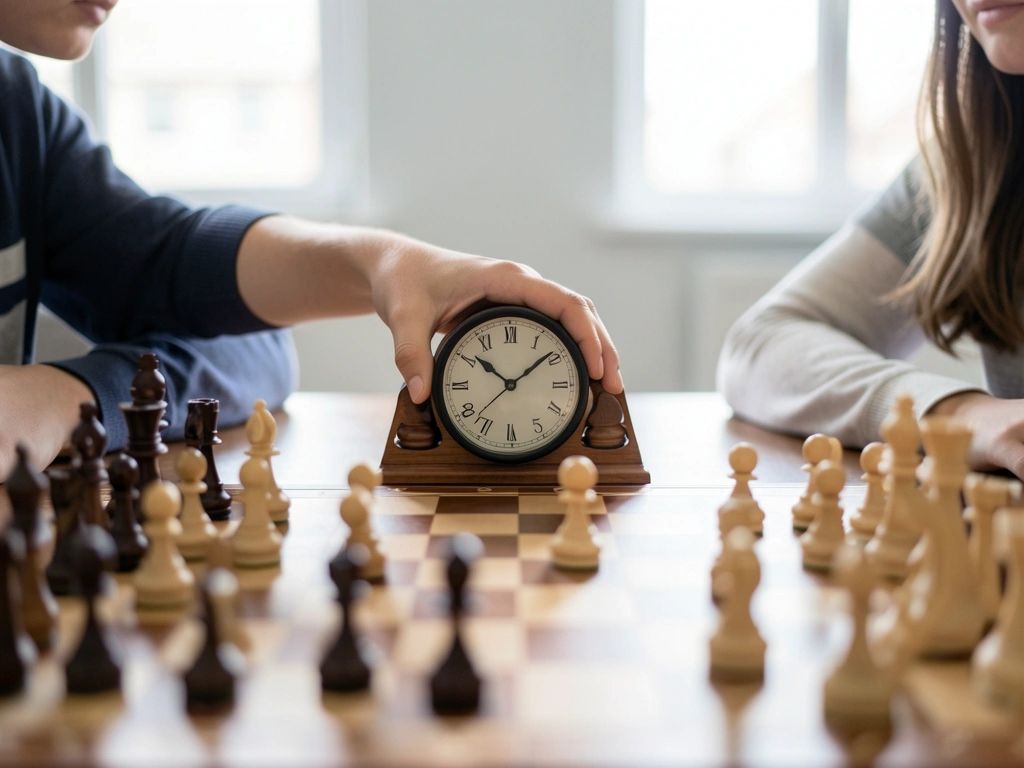
A board and pieces for practice, a notebook for moves and, for online lessons, a laptop or tablet whose camera works. A chess clock helps from club level upwards.
Always. Many parents of younger children watch the first few lessons, and some end up learning alongside them.
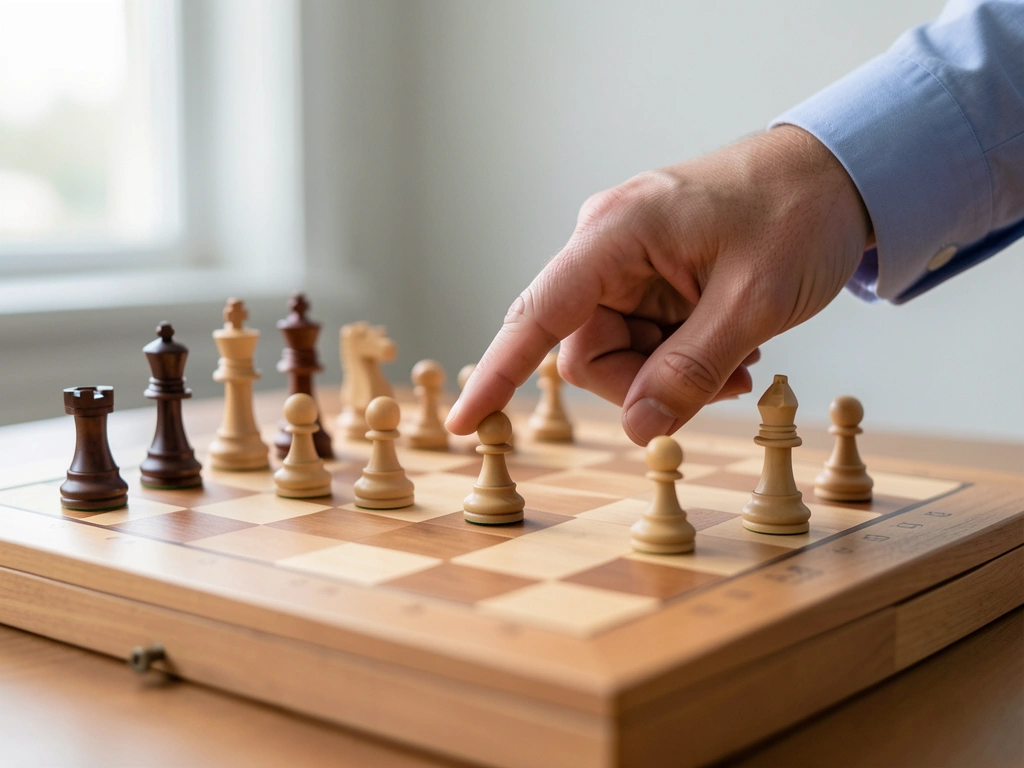
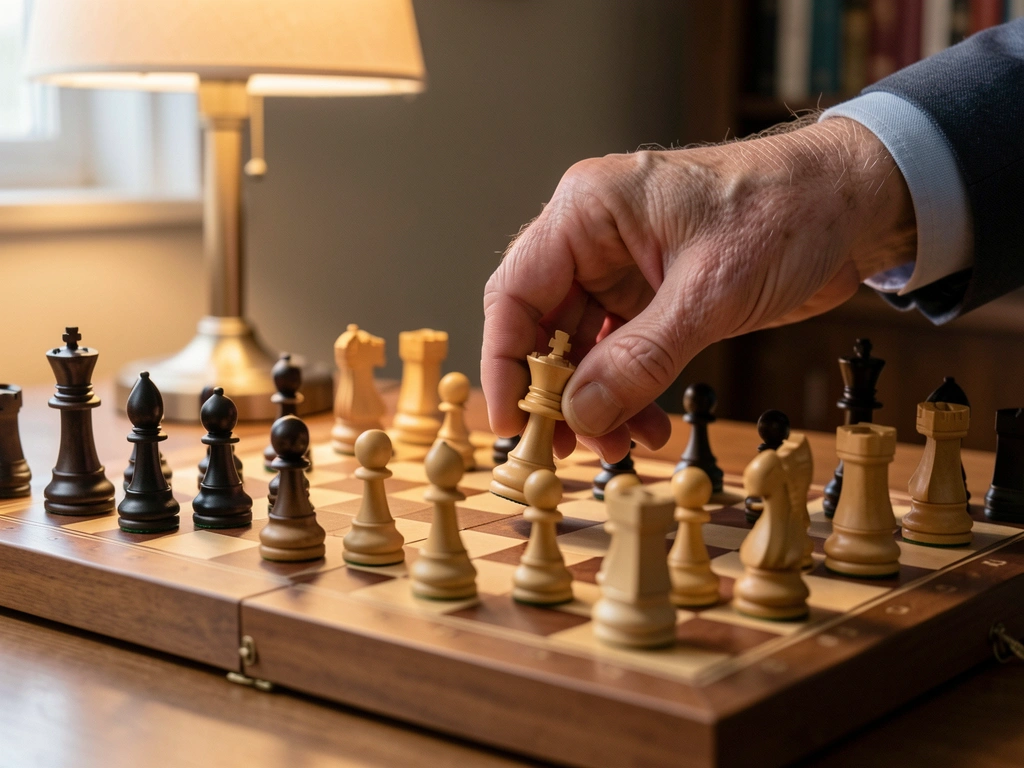
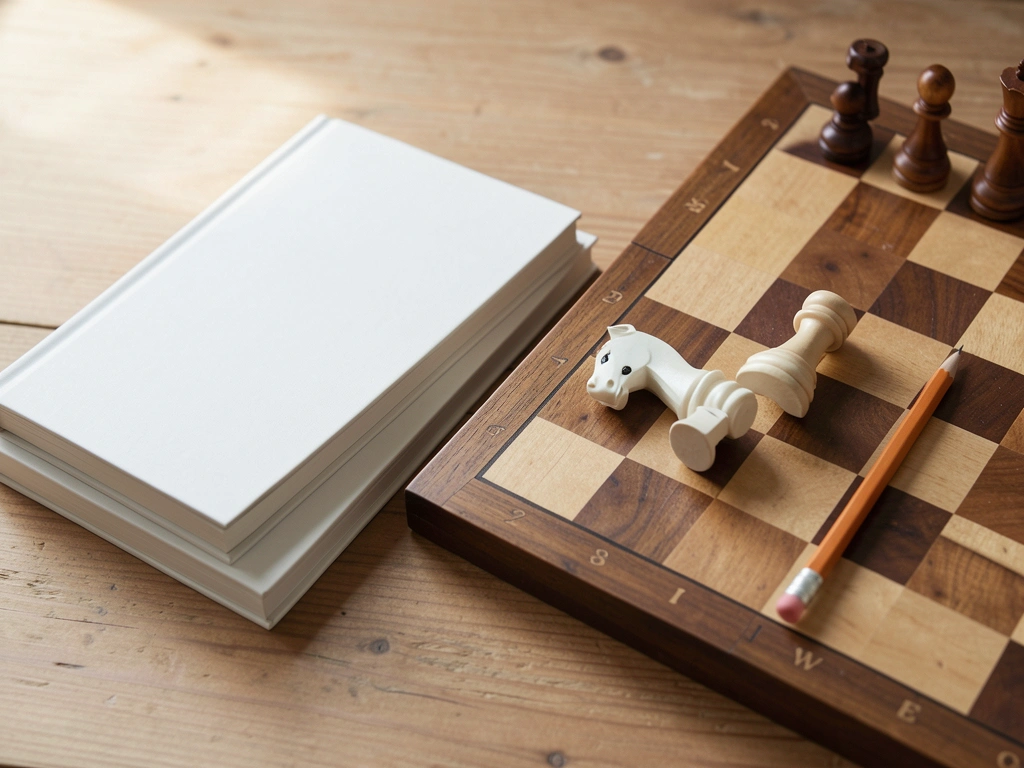
Wooden boards in the library, a laptop at the kitchen table and plenty of puzzles in between.
Our daughter is seven and loses interest fast. The Saturday group mixes puzzles and short games so well that she now sets up the board at home on her own.
Came back to chess at sixty after forty years away. Going through personal losses felt awkward at first, but nothing else has stopped the same mistakes repeating.
Before an event, the block of six focused on two openings and the clock. No promises about results, just calmer games and far fewer time scrambles.
Say who will play, roughly how much chess they know and whether a screen or a real board suits. The coach answers within two working days with a time, or asks what the player has learned so far.
Email works best, since the coach is often mid lesson; calls are returned between lessons.
Online, or in person at the community library near the market square
| Monday to Friday | 15:30 to 21:00 |
| Saturday | 09:00 to 13:00 |
| Sunday | No lessons |
One to one lessons take place in a quiet study room at the community library, and the junior group meets in its activity room on Saturday mornings. Parents can wait in the reading room next door.
Book a first lessonThis chess coach website was built by AI from two sentences. Tell us about your business and yours is built the same way, with its pages, photos and booking in place, ready to preview in minutes.
About this sample page
Rook and Reason Chess is an invented coach, and its page shows how a chess coach might introduce lessons on AI Web Maker to families and adult players. The opening view promises lessons built on the pupil's own games and sets two small gears turning above the words two moves ahead. Five steps through one lesson follow at once, then four lesson formats and a table of starting levels, so a reader understands the method before seeing fees. Topics, online lessons and child safety come next, with every safeguard spelled out. Fees, six questions, photos, example reviews and the lesson request then close the page for a reader who is ready to book.
A real coach's page starts from a short description of who they teach, where and how a first lesson works. The builder drafts the page with a lesson request, and each request reaches the coach to confirm, move or decline, with fees paid directly by the family or player. From the day of publishing the coach pays $119 a year for hosting, plus the cost of a domain. The full sample page below explains the thinking behind each Rook and Reason section. Keep the method, the honest levels and the safeguards, and replace every invented detail with your own.