Palpitations
A racing, fluttering or skipping heartbeat that comes and goes, at rest or during exercise.
Lindenfield Heart Clinic offers ECGs, heart scans, rhythm monitoring and follow up care. Our consultant cardiologist goes through each result with you in everyday language, then sets it down in a letter you can share with your own doctor.
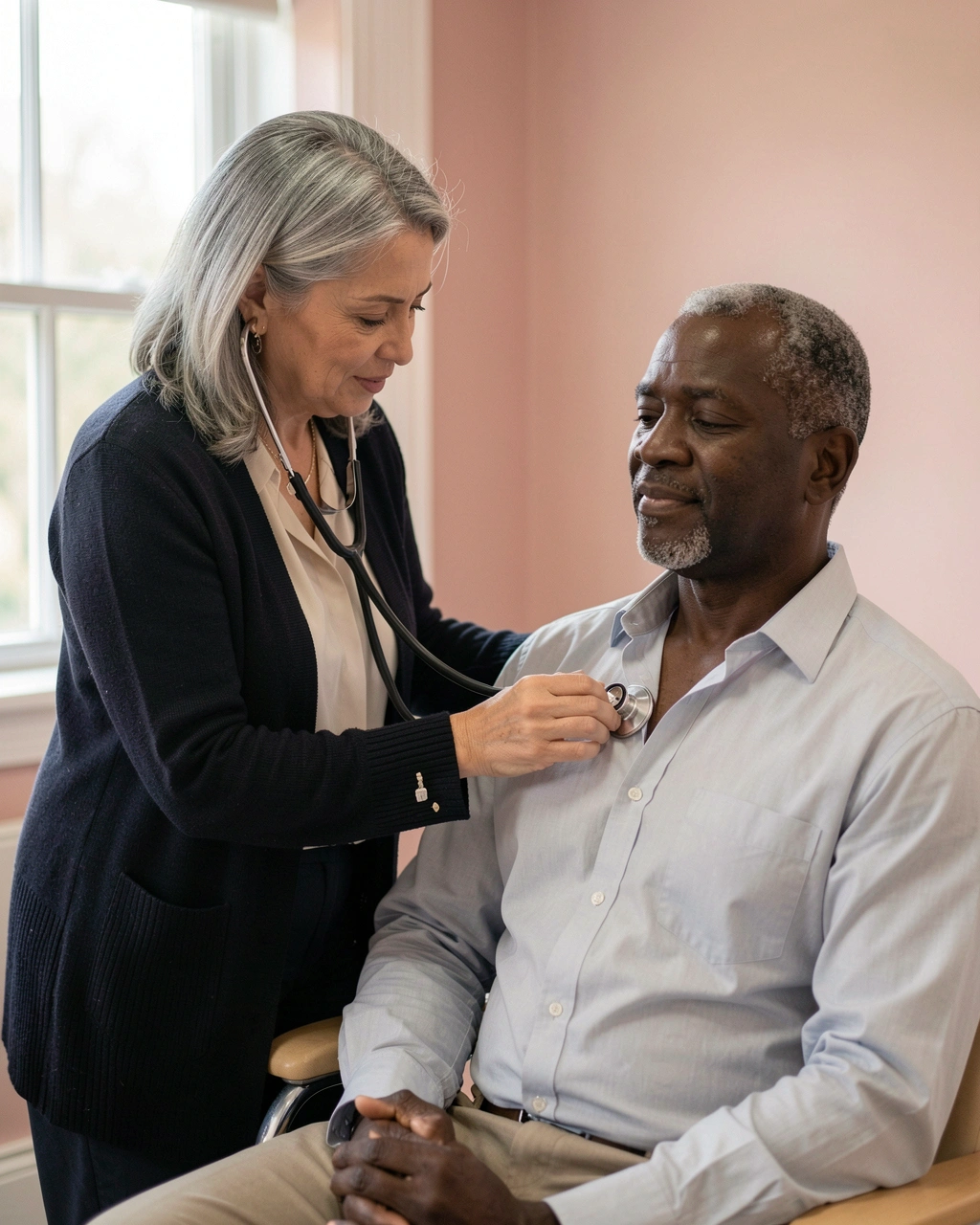
Chest pain, pressure or tightness right now, especially with breathlessness, sweating, or pain spreading to the arm, jaw or back: call your local emergency number immediately. Do not use the form or wait for a clinic appointment.
Every test below is carried out here, in rooms set aside for it. Prices are illustrative starting fees for patients paying themselves.
| Test | What it looks at | Time | From |
|---|---|---|---|
| Resting ECG | The heart's electrical rhythm, recorded through stickers on the chest | 15 min | $85 |
| Echocardiogram | An ultrasound scan of the heart's chambers, walls and valves | 40 min | $320 |
| Exercise ECG | How the heart copes on a treadmill, watched by a cardiac physiologist | 45 min | $390 |
| 24 hour heart monitor | A small recorder worn at home through a day and a night | 20 min to fit | $260 |
| Blood pressure monitor | Readings taken every half hour through an ordinary day | 15 min to fit | $140 |
| Heart check package | Consultation, ECG, echocardiogram and blood tests together | 2 hours | $690 |
Reception confirms the price when your time is booked. Cover from insurers or public health systems, and the need for a referral letter, differ from country to country and policy to policy, so we check before you come.
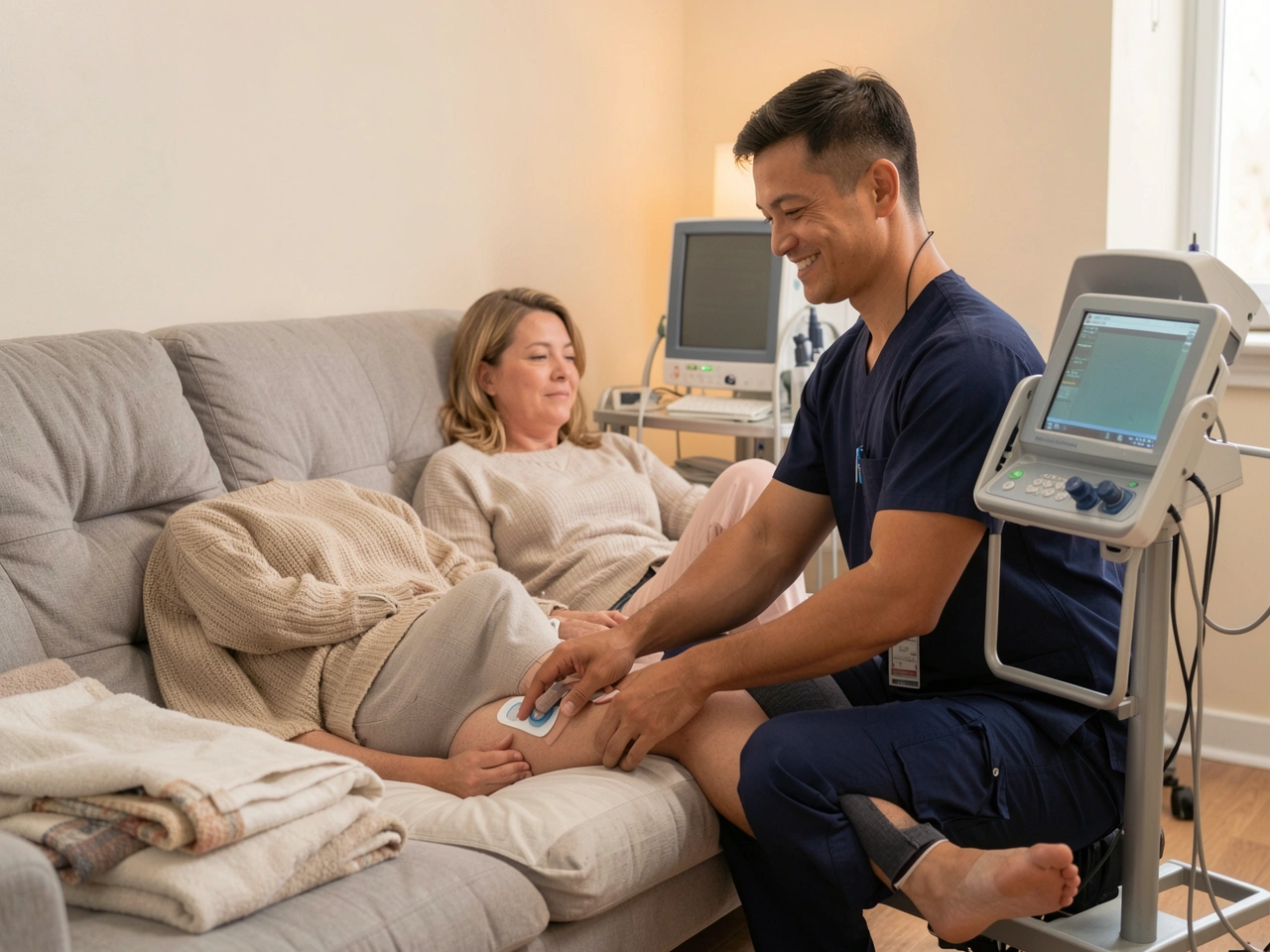
You meet the consultant in a quiet room and talk first: what you have noticed, when it happens, which medicines you take and whether heart problems run in the family. A nurse then checks your blood pressure, height and weight and records an ECG, which takes a few minutes and does not hurt.
Most people also have an echocardiogram at the same visit, lying on their left side while a sonographer moves a probe with cool gel across the chest. Allow about two hours in all, wear a top that is easy to open or remove, and bring a list of your medicines and doses.
Many heart symptoms turn out to have harmless causes, and some do not. A careful assessment is how the two are told apart.
A racing, fluttering or skipping heartbeat that comes and goes, at rest or during exercise.
Getting out of breath sooner than you used to, on stairs, on hills or when lying flat at night.
Blackouts or moments of greying out, especially during exercise. A first blackout with chest pain is an emergency.
Readings that stay high at home or at the pharmacy, or a treatment plan that needs a second look.
A parent, brother or sister with heart disease at a young age, or an inherited condition already known in the family.
Planned reviews after a heart condition is found or treated elsewhere, with the same consultant each time.
Tightness that comes on with effort and eases with rest should be checked soon. Sudden or lasting chest pain is an emergency, and the right call then is to your local emergency number.
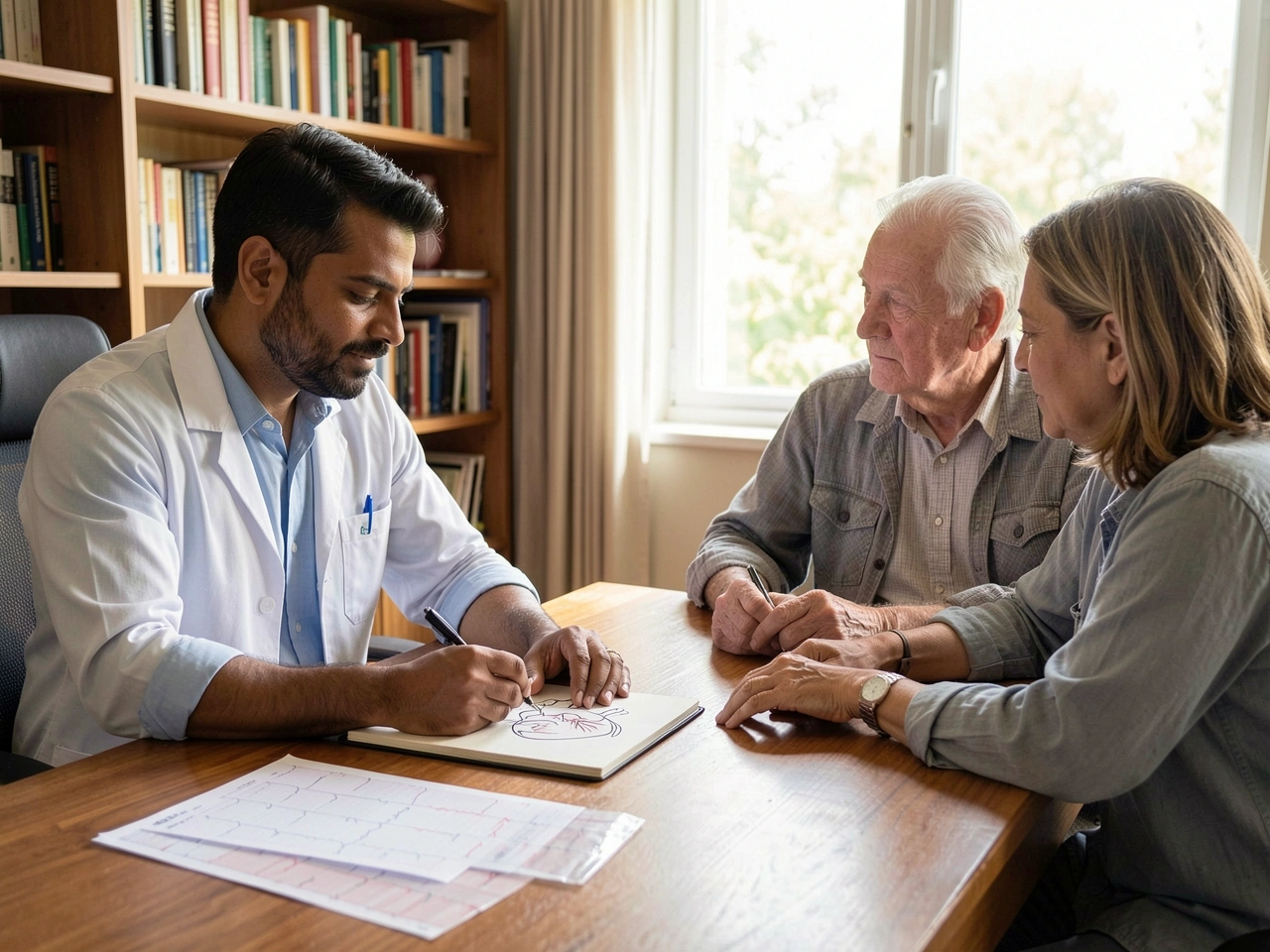
Before you leave, the consultant sits down with your ECG trace and scan images and explains what they show, using a quick sketch of the heart rather than jargon. A normal result comes with the reasons it is normal; anything that needs watching or treating comes with the options and what each would involve.
A typed letter follows within five working days, written for you first and for your doctor second. If any line in it is unclear, the clinic nurse rings you back to go through it.
The ECG was over in minutes, and the consultant drew a little diagram to explain the skipped beats. Left knowing exactly what had been found and what had not.
Two hours from the door to the last question, scan included, and nobody rushed the end. The letter came that same week and read like a normal conversation.
Wore the recorder for a day and a night, dropped it back the next morning and had a call to go through it. Calm and kind from the front desk onward.
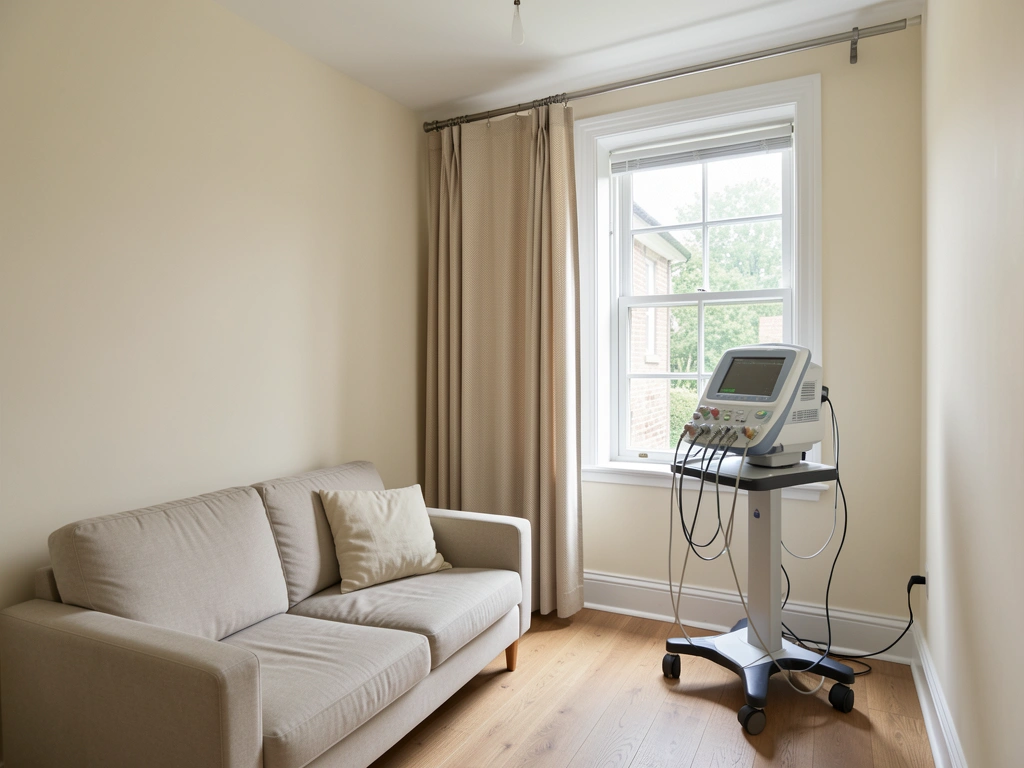
Testing happens on the first floor, behind curtains and closed doors. The ground floor room is kept for conversations about results.
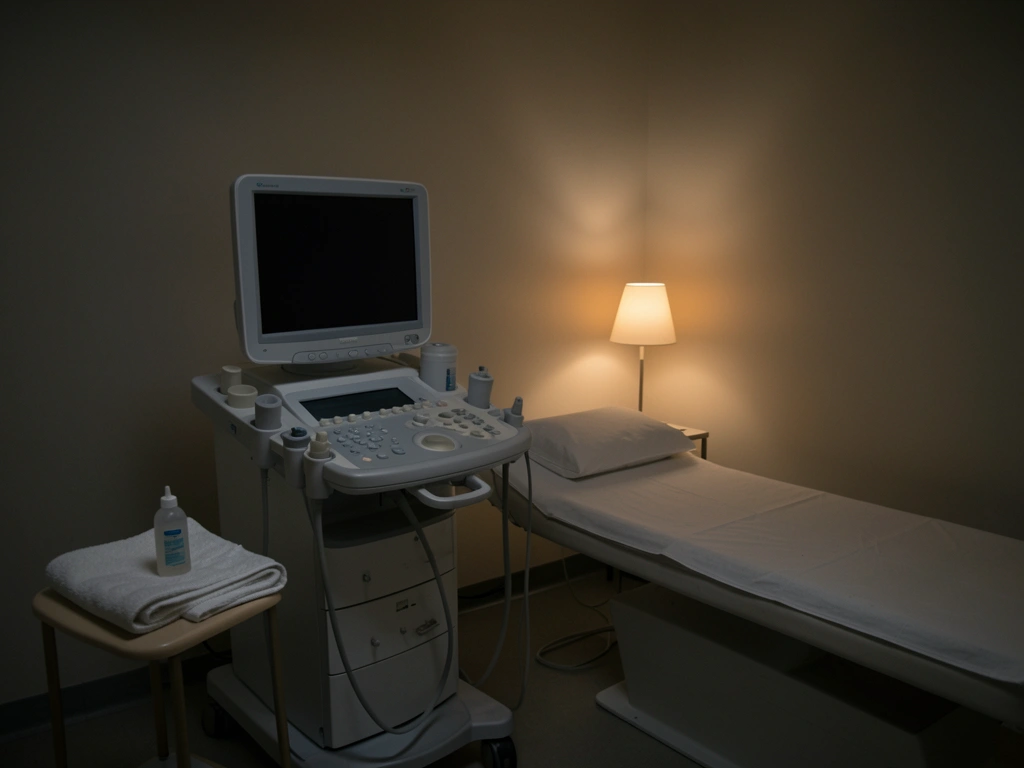
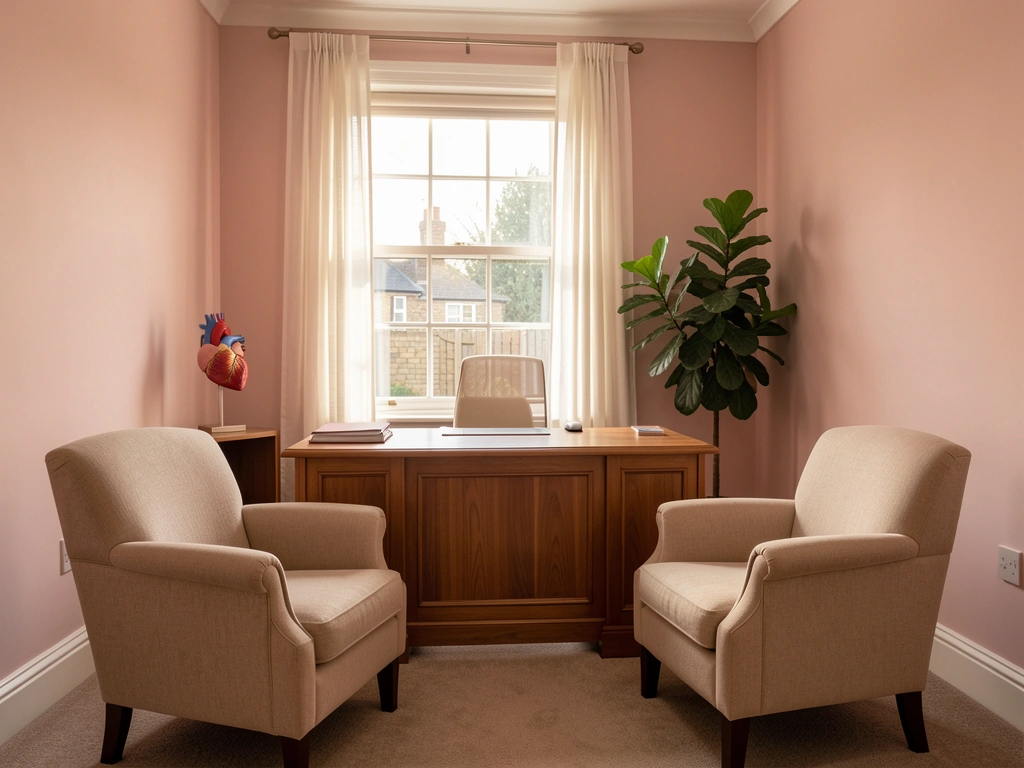
No. Chest pain, pressure or tightness happening now is an emergency, so ring your local emergency number straight away. The clinic is for planned checks and follow up care, never for symptoms happening as you read this.
No. An ECG uses sticky pads on the chest, arms and legs, and an echo uses a probe with cool gel. On the exercise test you walk on a treadmill that slowly gets steeper, and you can ask to stop whenever you like.
Many patients paying for themselves can book directly. Some insurers and public health systems want a referral letter first, and the rules differ by country, so reception checks with you before the visit.
Only with your agreement. The letter is written for you first, and with your permission a copy goes to your family doctor so your records stay complete.
A list of your medicines and doses, any earlier ECGs or letters, and comfortable shoes if you are having an exercise test. Keep taking your usual medicines unless the clinic tells you otherwise.
Yes. Bring someone along to the results conversation, or ask us to phone a relative with you on the line. Two sets of ears often remember more.
Choose the appointment and the day and part of the day that would suit you. Reception answers within one working day, confirms what the visit includes and tells you about any referral or insurance paperwork.
Nobody watches this form around the clock. Chest pain, collapse, severe breathlessness or heavy bleeding need your local emergency number, not a message.
The clinic fills a converted townhouse on a quiet square in the old town. A ramp runs up beside the side entrance, and a lift carries you to the testing rooms.
A converted townhouse on a quiet square in the old town, with a ramp beside the side entrance and a lift up to the testing rooms
| Monday to Friday | 08:00 to 18:00 |
| Late clinic, Tue and Thu | to 20:00 |
| Saturday | 09:00 to 12:00 |
| Sunday | Closed |
New chest pain, fainting or severe breathlessness before your appointment should not wait for it: call your local emergency number. For questions about a booking, ring reception during clinic hours.
This cardiologist website was built by AI from two sentences. Tell us about your business and yours is built the same way, with its pages, photos and booking in place, ready to preview in minutes.
About this sample page
Lindenfield Heart Clinic is a fictional cardiology practice whose one page calms readers without ever playing down an emergency. The opening view pairs a headline about a consultant who explains every result with a pulse line that draws itself across a dark card. A band directly below sends chest pain, pressure or tightness to the local emergency number. A table of six heart tests, a first appointment in plain words and six reasons people come carry the middle of the page. A section on results, example reviews, a gallery, six questions and the request form lead down to the contact details. Read in order, the page moves a worried reader from fear to a booked morning.
Any real cardiology clinic can keep this outline while replacing the details with its own. Tests and prices should be the ones the clinic actually offers, with a note that they are confirmed at booking. Chest pain wording must stay general and point to the local emergency number, wherever the clinic works. Referral and insurance rules differ from country to country, so that note needs rewriting for each market. Only real patients who have said yes should appear in the reviews, and the gallery should show the clinic's own rooms. With those changes, the page becomes a calm and honest first contact for people worried about their heart.