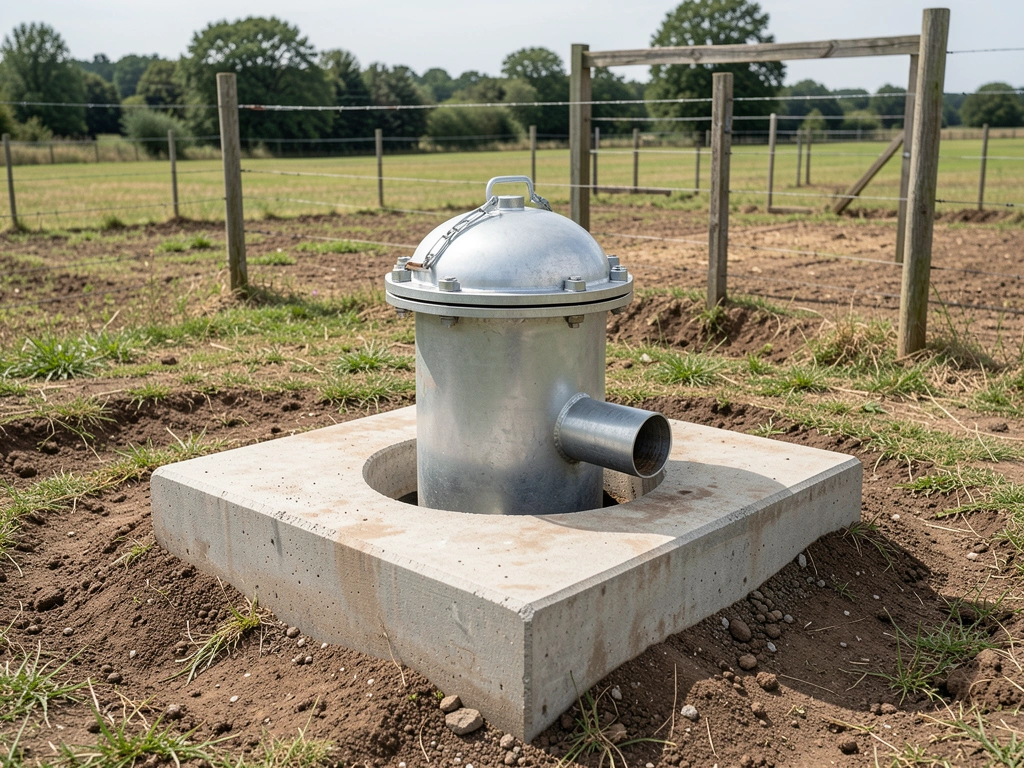
Submersible electric pump
A pump, cable and control box matched to the depth and the yield, with dry running protection.
Fittedfrom $1,450
Deepwell surveys the site, drills and cases the borehole, fits the pump and tests the water for homes, farms and businesses. We price by the metre and say plainly what a survey can and cannot promise.
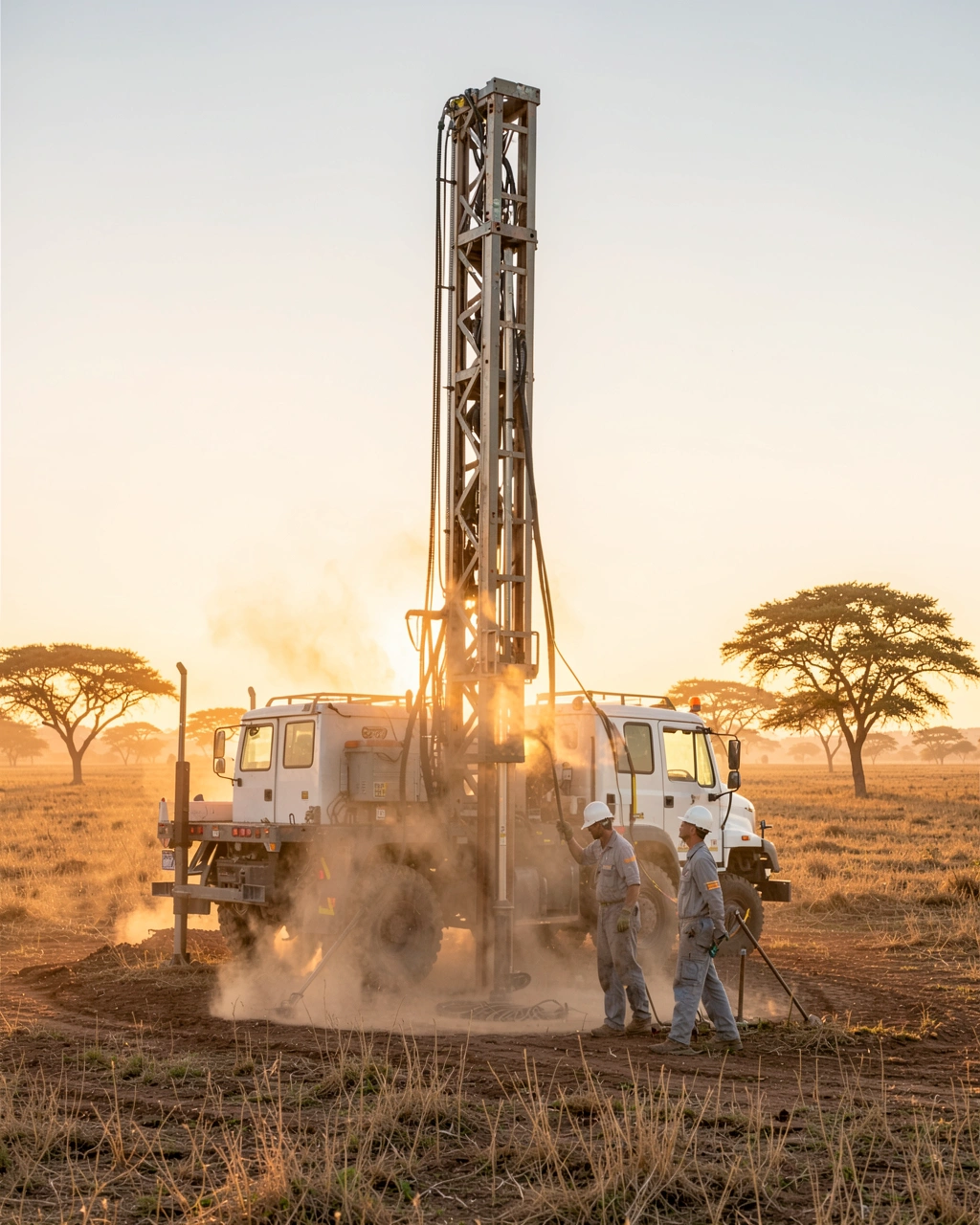
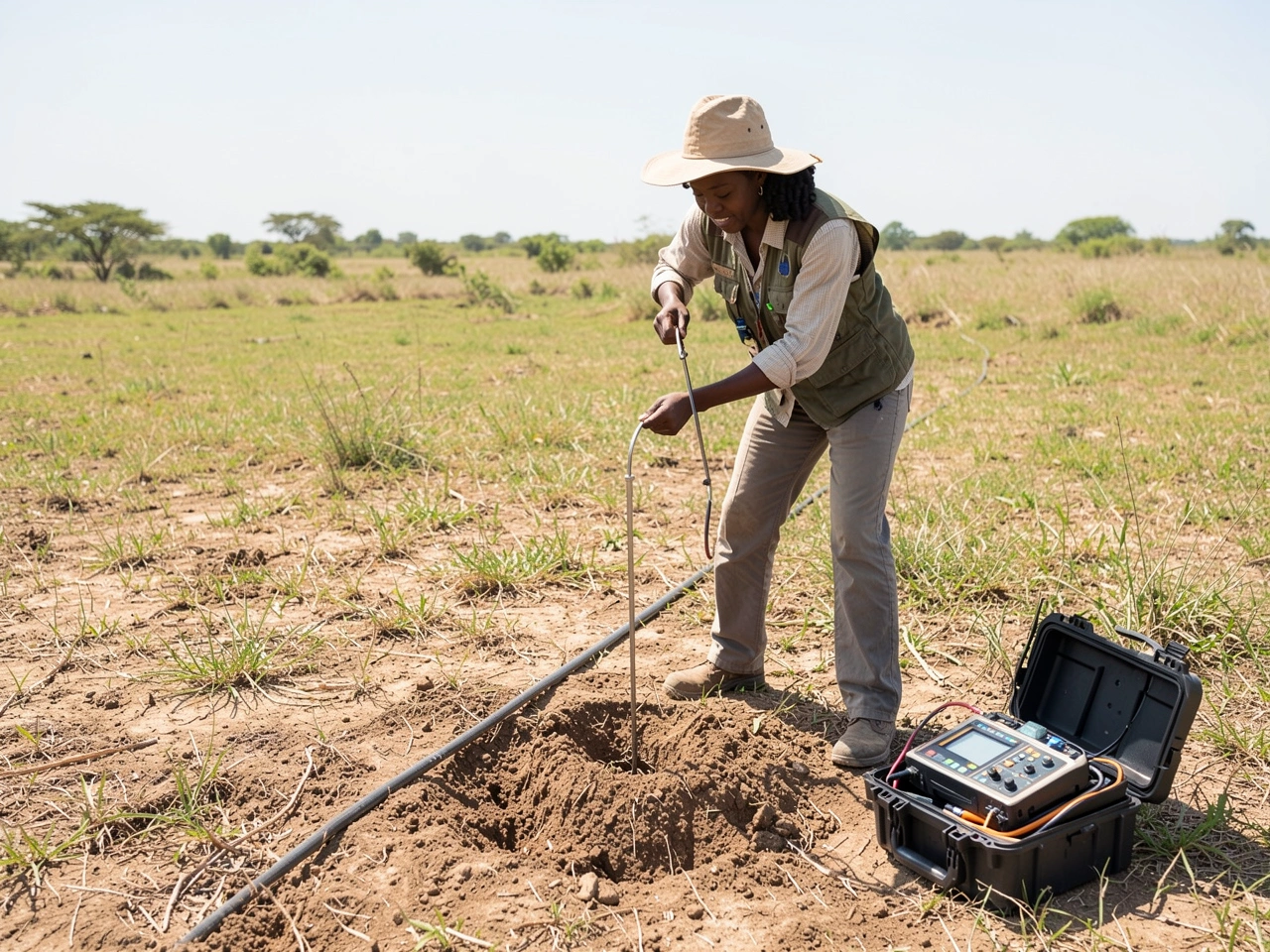
Before any drilling, a hydrogeologist studies the geology maps, the records of boreholes nearby and a resistivity survey on your land. Together they point to the spot with the best chance of water and give a likely depth range.
No survey can promise water at a given depth or a given yield, because groundwater follows cracks and layers that cannot be seen from the surface. We put that in writing in every quote, along with a maximum depth agreed with you before the rig arrives.
Most home and farm boreholes take three to six weeks from the survey to the first water, depending mostly on the permit.
A day on site with the hydrogeologist, and a report within a week.
We prepare the application where the water authority asks for one.
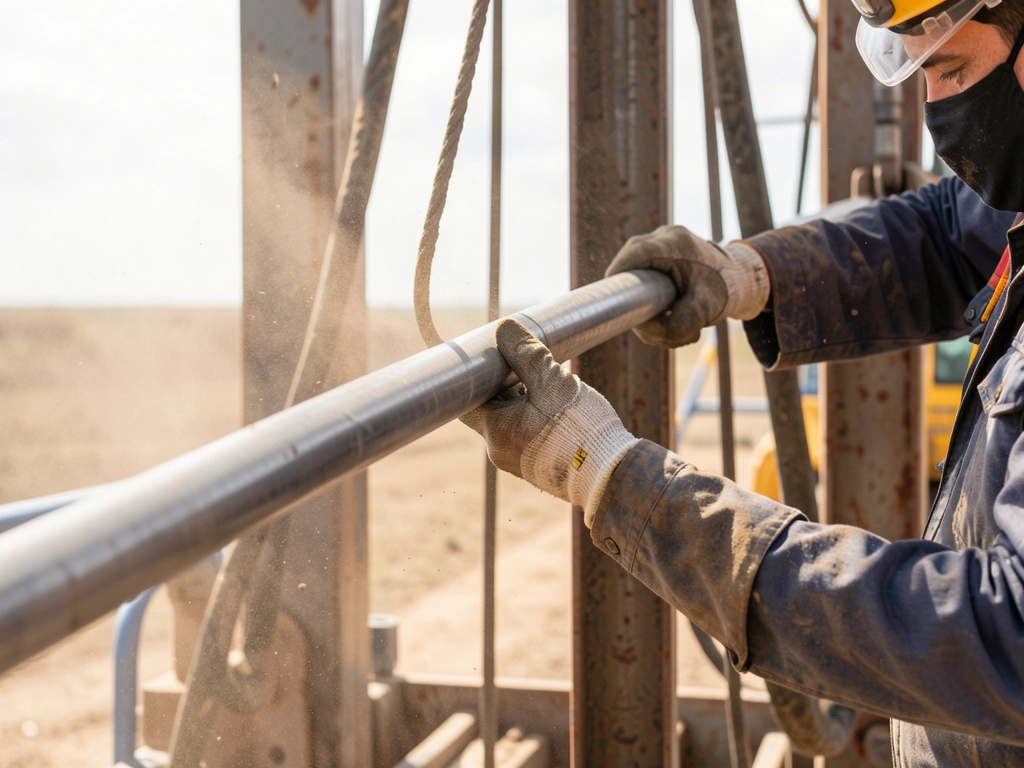
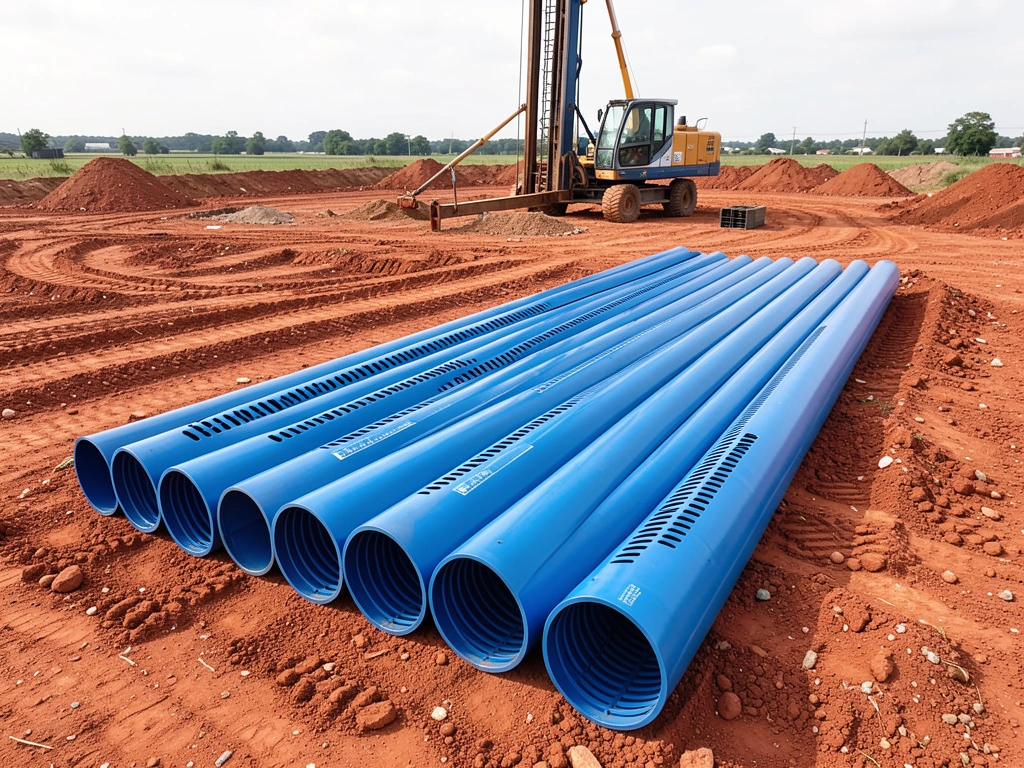
One to three days of drilling, then casing, screen, gravel pack and a sanitary seal.
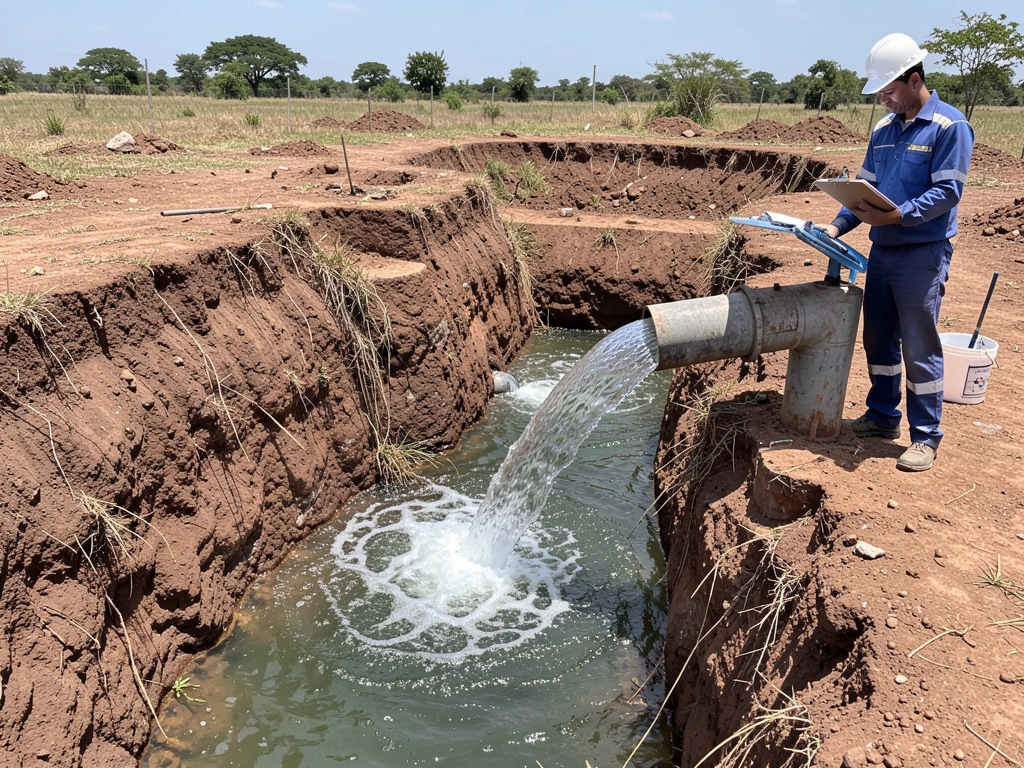
Hours of pumping at a measured rate to find a safe yield for the pump.
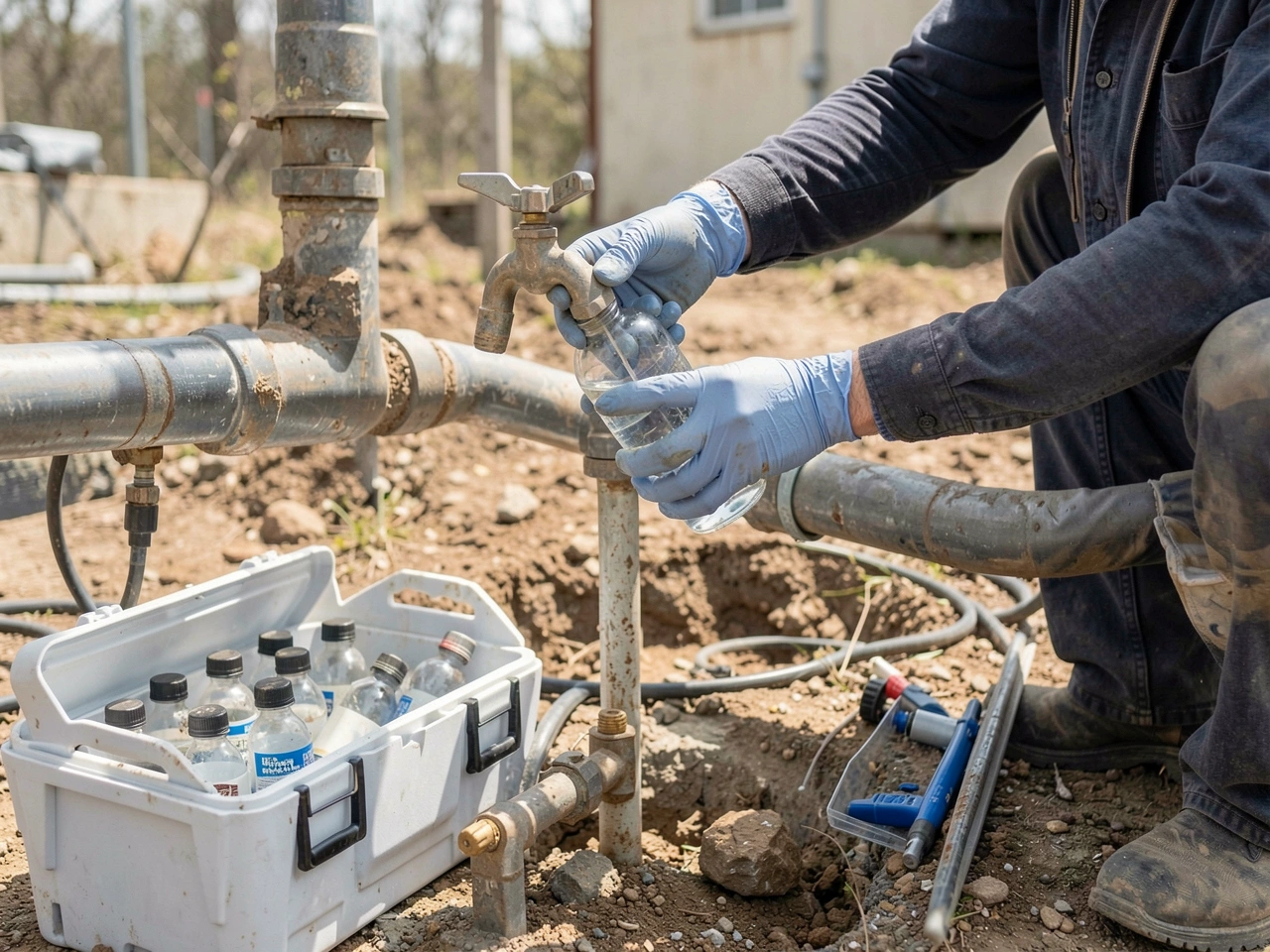
Pump, tank and pipework fitted, and a water sample sent to a laboratory.
Guide prices for a domestic or farm borehole within 80 km of the depot. Your quote lists each line, the maximum depth and the price per metre for your ground.
| Item | What it covers | From |
|---|---|---|
| Groundwater survey | Desk study, resistivity survey on site and a written report | $650 |
| Permit paperwork | Application and drawings, with the authority's own fee passed on at cost | $250 |
| Rig on site | Moving the rig and support truck to you and setting up | $900 |
| Drilling, soft ground | Soil, clay and weathered rock | $38 a metre |
| Drilling, hard rock | Granite, basalt and other solid rock | $55 a metre |
| Casing and screen | uPVC casing with slotted screen where the water enters | $18 a metre |
| Finishing the borehole | Gravel pack, sanitary seal, concrete apron and lockable cap | $420 |
| Test pumping | Pumping test with measured drawdown and a yield report | $480 |
If a borehole is dry, you pay for the survey, the rig on site and the metres drilled at a reduced dry hole rate. No casing, finishing or pump is charged.
Pumps are sized to the safe yield from the test, never to the most the borehole gave on the day.
A pump, cable and control box matched to the depth and the yield, with dry running protection.
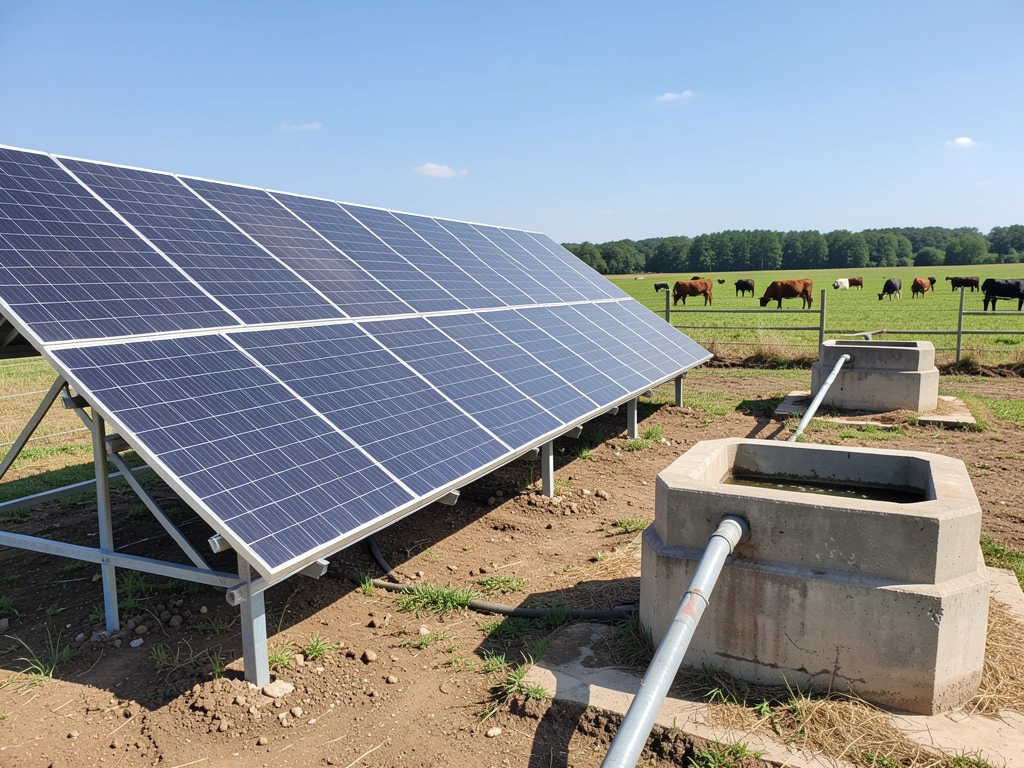
Panels, frame and a solar pump controller, so a farm or a remote house pumps through the day without mains power.
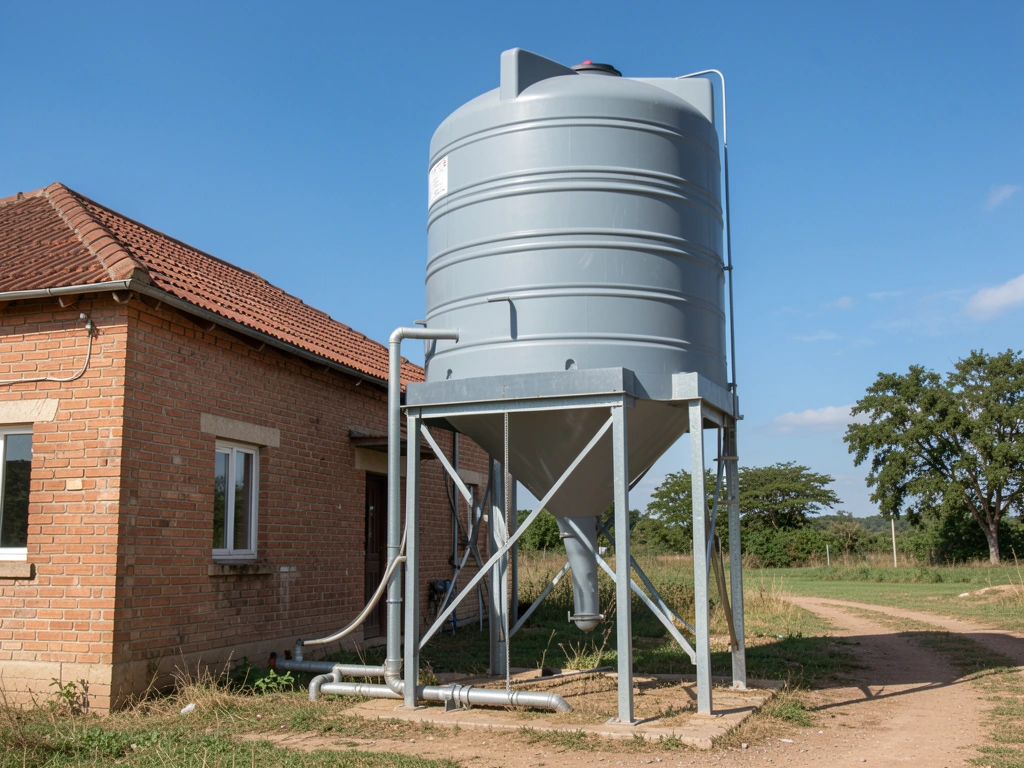
A storage tank on a stand or the ground, and a pressure pump that gives the house steady flow at every tap.
A robust hand pump for a community water point or as a backup when the power fails.
Pumps that trip, run dry or deliver less than before are lifted, tested and repaired or replaced.
Older boreholes that have silted up or lost yield are cleaned, flushed and tested again.
Rules on boreholes differ by country and often by region. In many places a permit is needed before drilling, the borehole must sit a set distance from latrines and septic tanks, and a completion record has to be filed afterwards. We find out what applies to your land and prepare the paperwork.
Water from a new borehole is not assumed to be safe to drink. A sample goes to an accredited laboratory, and we explain the results in plain words, including any treatment the water needs before it reaches the kitchen tap.
Drilling, casing, test pumping and finished installations on homes, farms and community sites.
The survey report said water was likely between 60 and 90 metres, and we hit it at 72. The quote listed every metre and the bill matched it exactly.
They told us the first point might be dry before drilling, and explained the dry hole rate. The second point gave us enough for the dairy and the house.
The school's borehole had dropped to a trickle. After cleaning and a new pump it fills the tank before morning lessons again.
Nobody can promise a depth. The survey gives a likely range, and we agree a maximum depth with you before drilling. If water is found earlier, we stop and you pay only for the metres drilled.
You pay the survey, the rig on site and the metres drilled at the reduced dry hole rate, with no casing, finishing or pump. We then talk through whether a second point is worth trying.
The test pump measures the yield of your borehole, and the pump is sized below that rate so the borehole is not overdrawn. Yields can change with the seasons and with neighbouring boreholes.
In many countries it is, and the rules differ between regions. We check with the water authority for your area and prepare the application where one is required.
A track about 3.5 metres wide that a heavy truck can use in dry weather, firm ground at the drilling point and a working area of about 10 by 20 metres.
A deposit for the survey and the rig booking, then stage payments after drilling and after the pump is fitted. All payments are made directly to us against our invoices.
Tell us where the land is, what the water is for and how a truck reaches the site. A hydrogeologist calls within two working days to talk it through and book the survey.
The office is at the depot and answers calls on weekdays and Saturday mornings.
Depot outside town, drilling within 250 km and further for larger projects
| Monday to Friday | 07:30 to 17:00 |
| Saturday | 08:00 to 12:00 |
| Sunday | Closed |
Prices above include the rig on site within 80 km. Further out, the travel is priced in the quote, and sites close to each other can share one trip.
This borehole drilling company website was built by AI from two sentences. Tell us about your business and yours is built the same way, with its pages, photos and booking in place, ready to preview in minutes.
About this sample page
Deepwell Borehole Drilling does not exist, yet its site is a working model of how a borehole firm can present surveys, costs and pumps on AI Web Maker. Its first screen pairs a rig at sunrise with a glass that slowly fills, under a line about water from the owner's own ground. It then explains what a survey can and cannot tell, before any price is mentioned. A cost table, a dry hole rule and a section on permits and water testing give clients the facts they need to compare contractors. The whole page treats an uncertain job with the honesty it deserves.
Drilling firms that start on AI Web Maker give the builder a few lines about their rigs, services and range, and it drafts a site with an enquiry form. Clients send their details through that form or call the depot, and the firm agrees every price and payment with them itself. Publishing means $119 a year for hosting, or $19 a month, with the domain bought separately. Nothing is billed before that point, so a firm can shape the page at leisure before it decides to publish. The sample page linked below explains each section and why it sits where it does.
The whole sample website of a borehole drilling company, explained ·