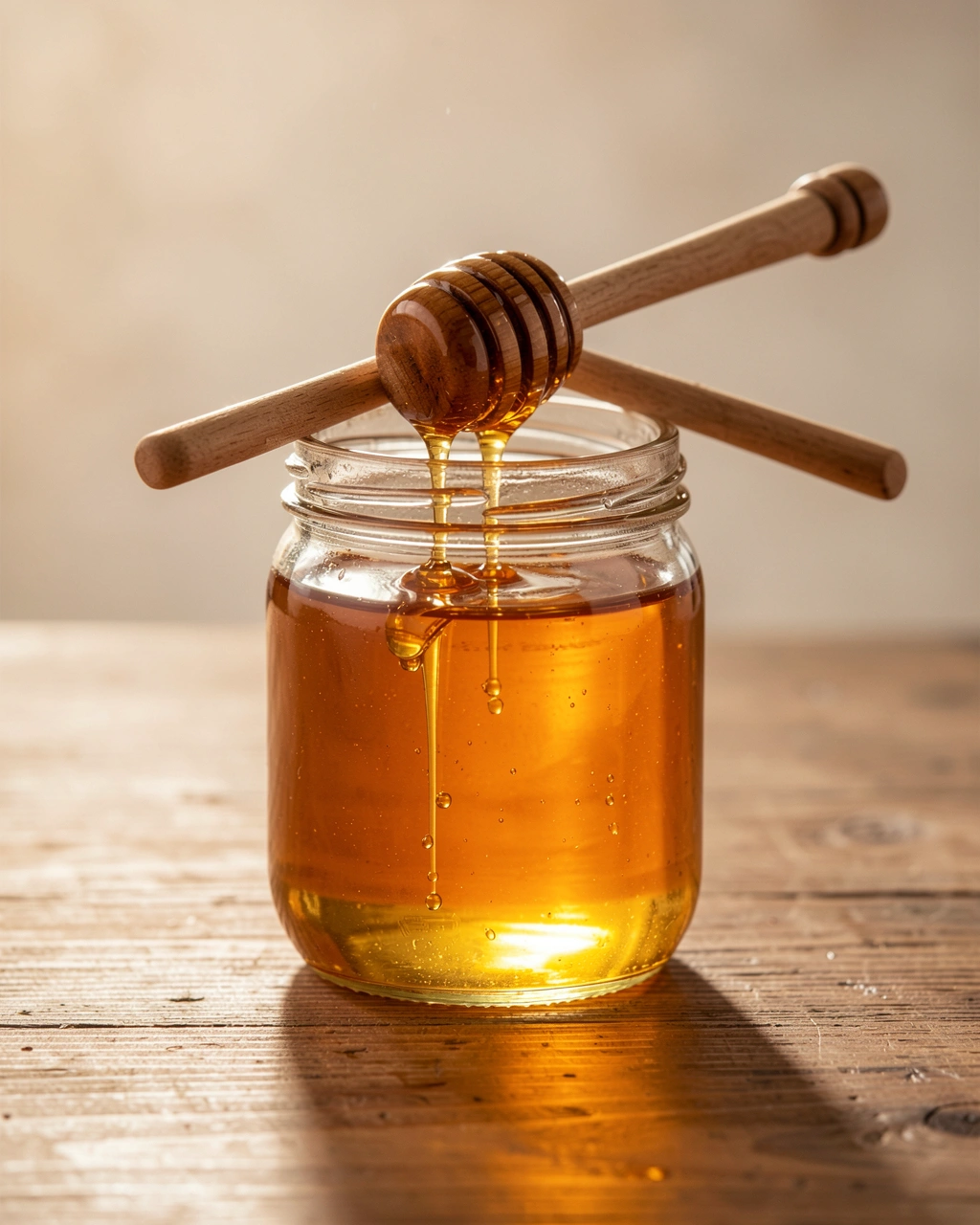
 This year's harvest
Wildflower honey
Our midsummer honey, golden and rounded, in a 340 g jar
$8.50
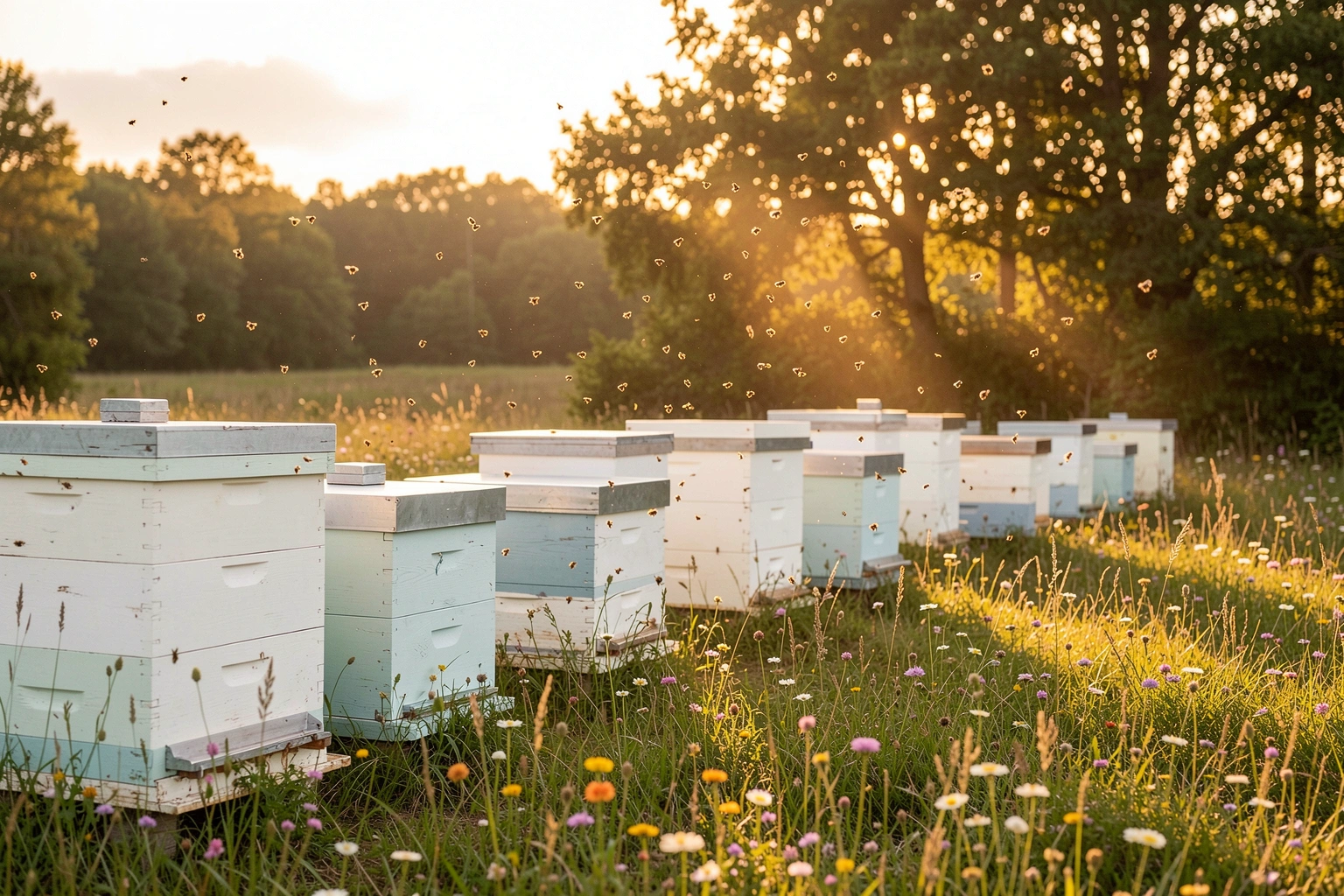
Golden Comb keeps sixty hives in meadows, orchards and woodland edges around the valley. The honey is spun from the comb, strained and jarred without heating, so each batch tastes of its season. Shop honey and beeswax, put on a veil for a hive visit, or learn to keep bees on a weekend course.
Every jar comes from our own hives and carries the site and the month it was taken off. When a harvest sells out, the next one tastes a little different.
This year's harvestOur midsummer honey, golden and rounded, in a 340 g jar
$8.50
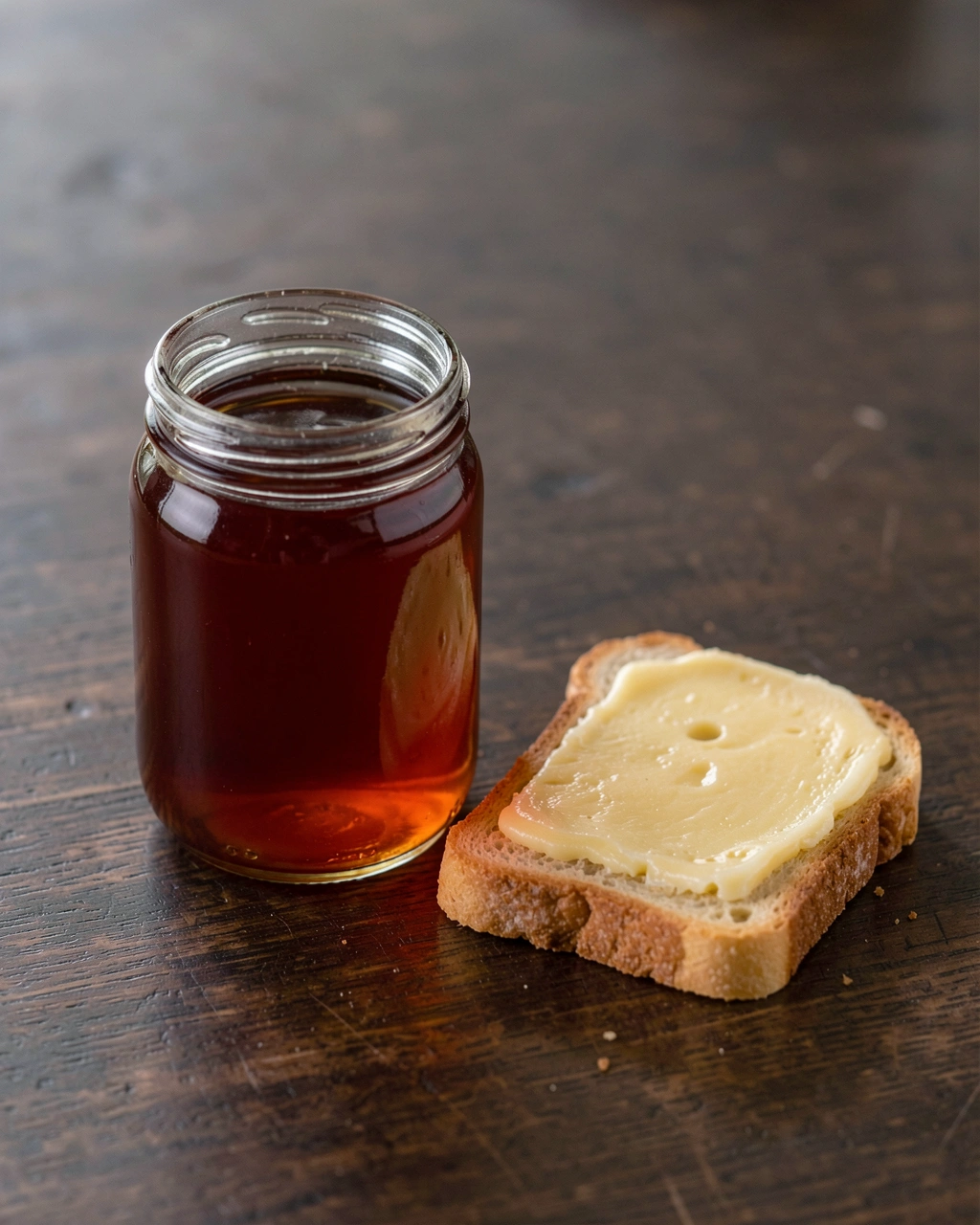
Dark and strong from the woodland edges, 340 g
$9.50
 Small batches
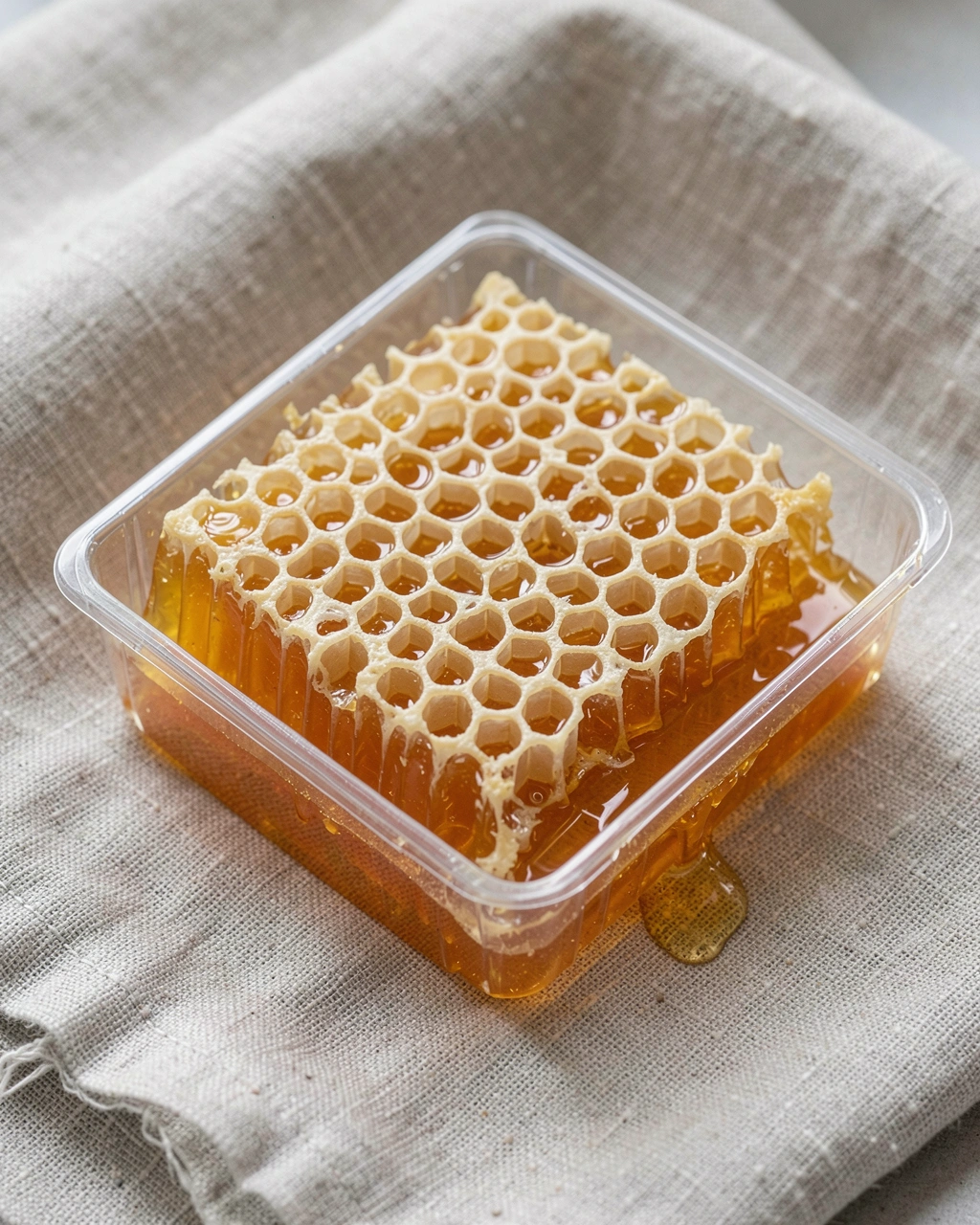
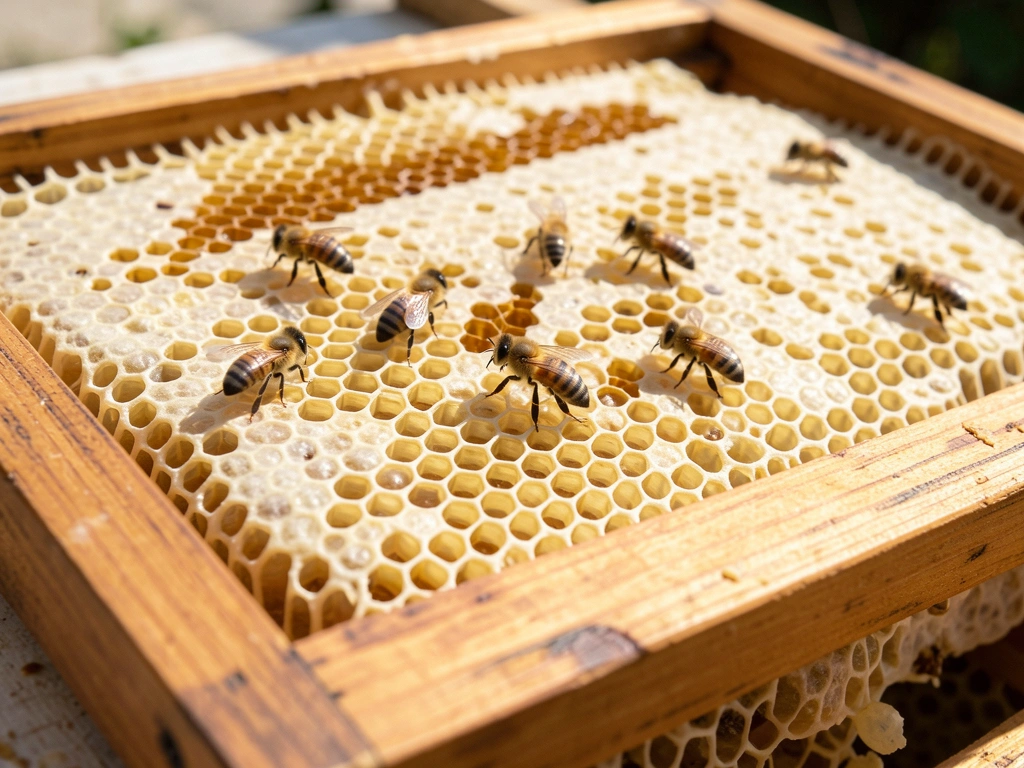
A square of comb just as the bees capped it, about 200 g
$12.00
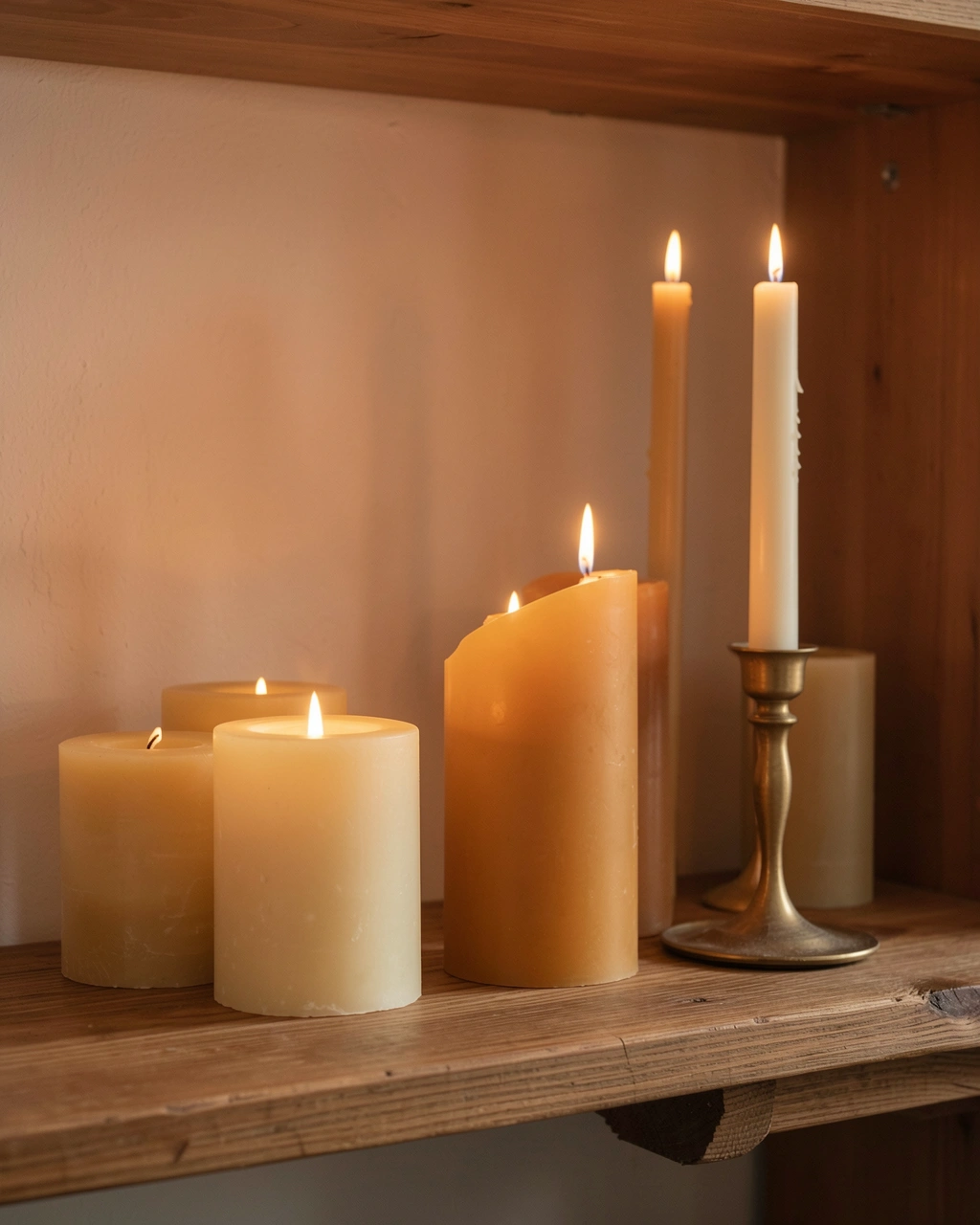
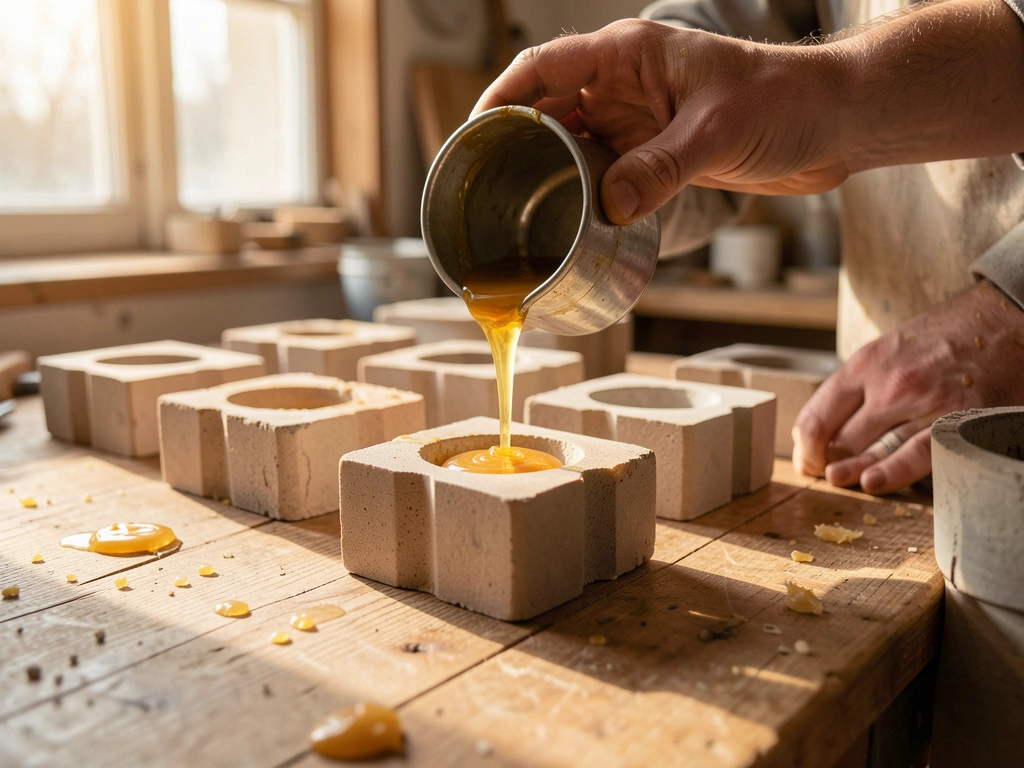
Poured from our own cappings wax, with cotton wicks
$14.00
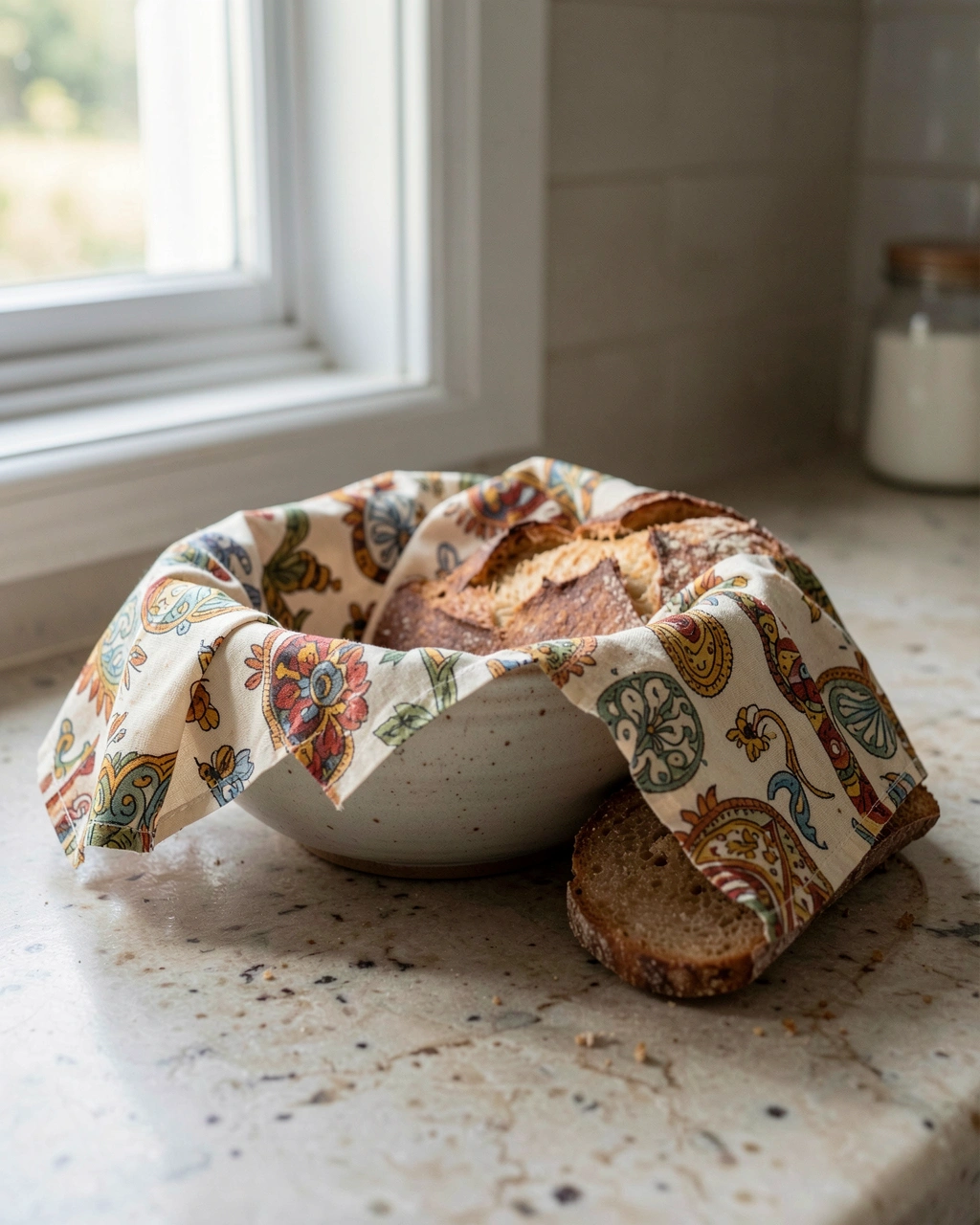
Cotton coated in our wax, for covering bowls and wrapping bread
$11.00
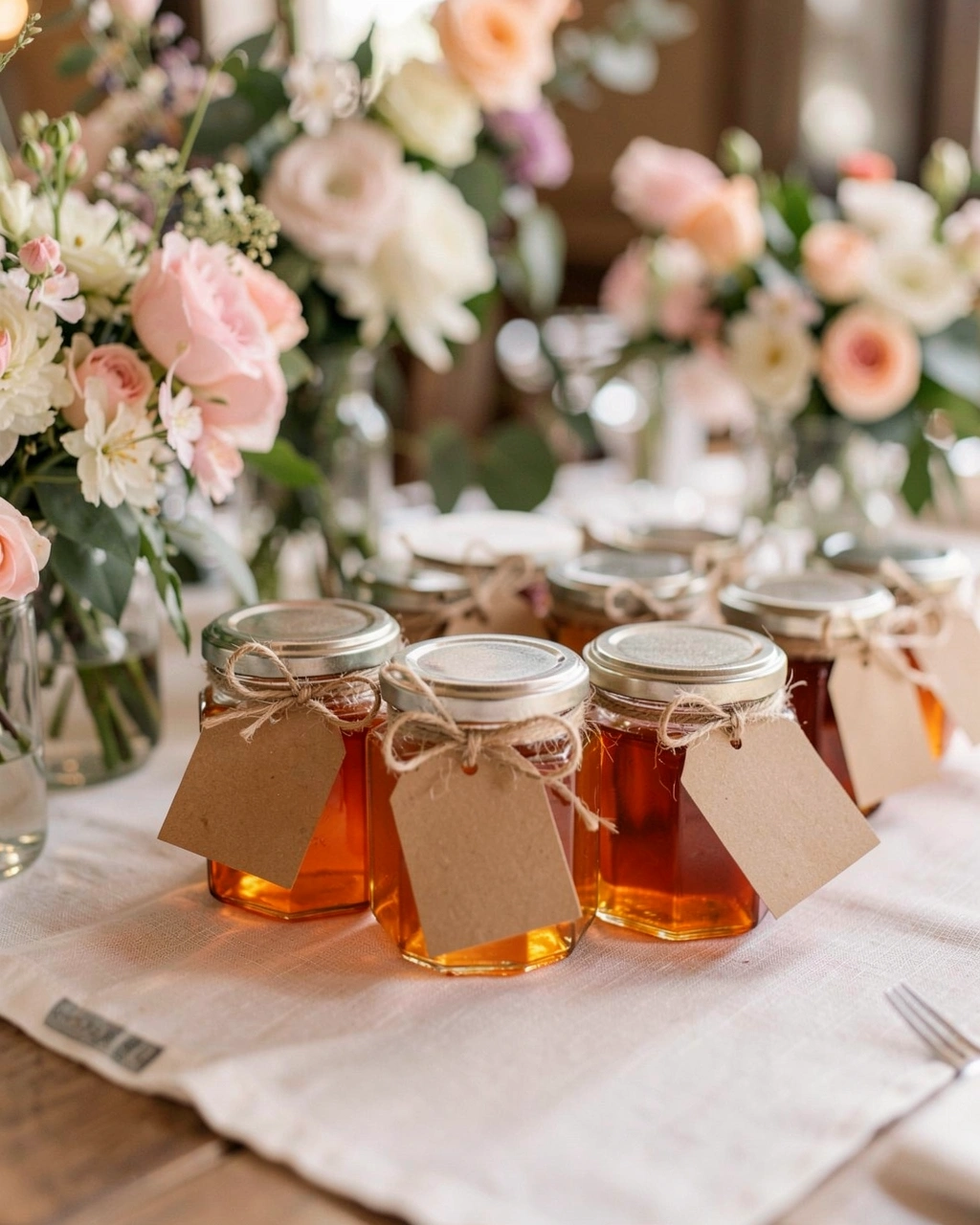
Little jars tied with twine, or boxes of honey and candles for staff and clients
Price on enquiry
EnquireCheckout totals the delivery fee for your address, and jars are wrapped in paper for the journey. As with any honey, please do not give it to babies under twelve months old.
Bees forage on whatever flowers near their hives, so no two years taste quite the same. These are the honeys we usually take off.
| Honey | Taken off | Colour and taste | Texture |
|---|---|---|---|
| Spring blossom | Early summer | Pale, mild and sweet | Sets quickly into a smooth cream |
| Wildflower | Midsummer | Golden, rounded and floral | Stays runny for months |
| Late summer | End of summer | Dark amber, strong, a little bitter | Sets slowly with a coarser grain |
| Cut comb | When a frame is just right | Whatever the season gives | Wax and honey eaten together |
Set honey has not gone off: crystals form naturally. To soften a jar, stand it in warm water for a while.
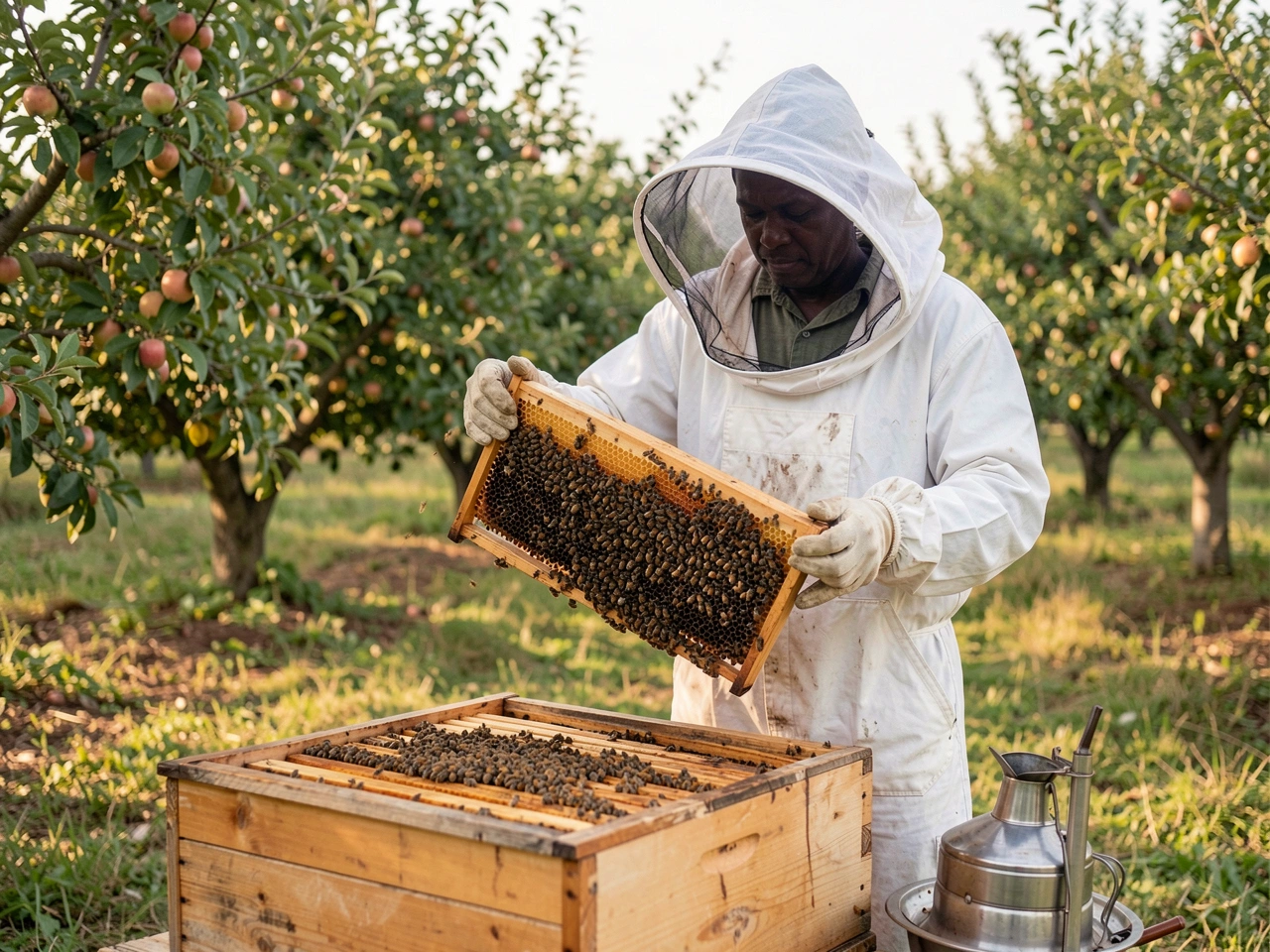
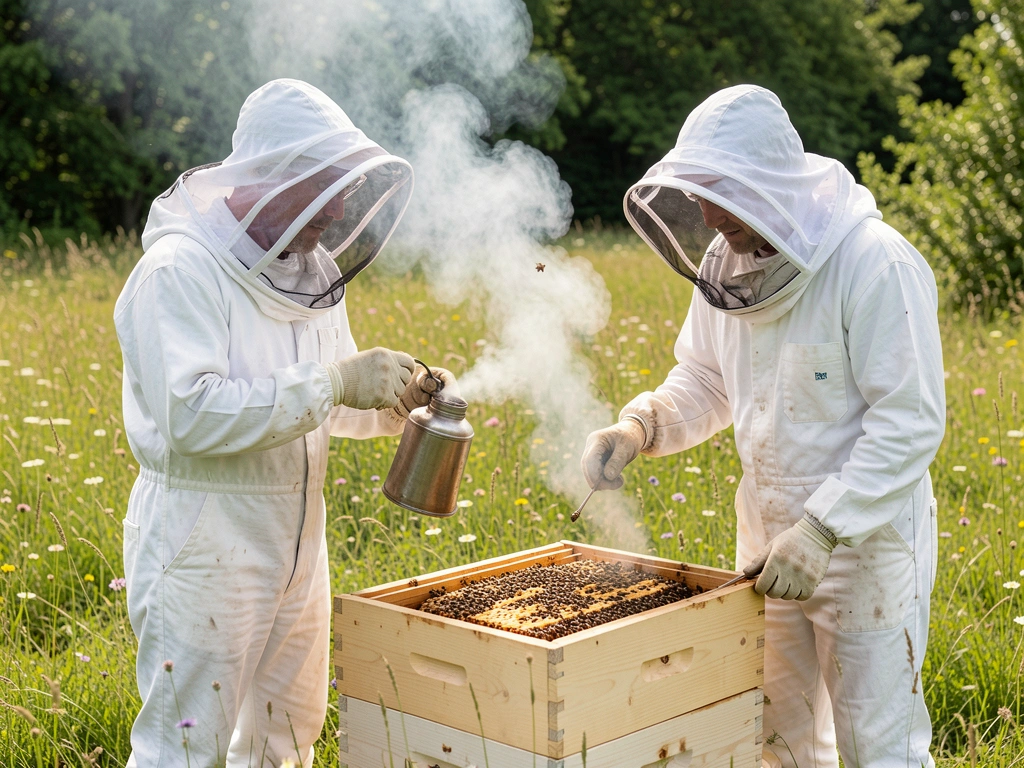
Our hives stand on four sites, each with the landowner's permission and water the bees can reach. Through spring and summer we open every hive about once a week to check the queen, the brood and the stores, and to look for pests and disease.
We take only the honey a colony can spare and leave enough for it to winter on. Rules on registering hives and treating pests vary by country, so we follow the ones that apply where our hives stand.
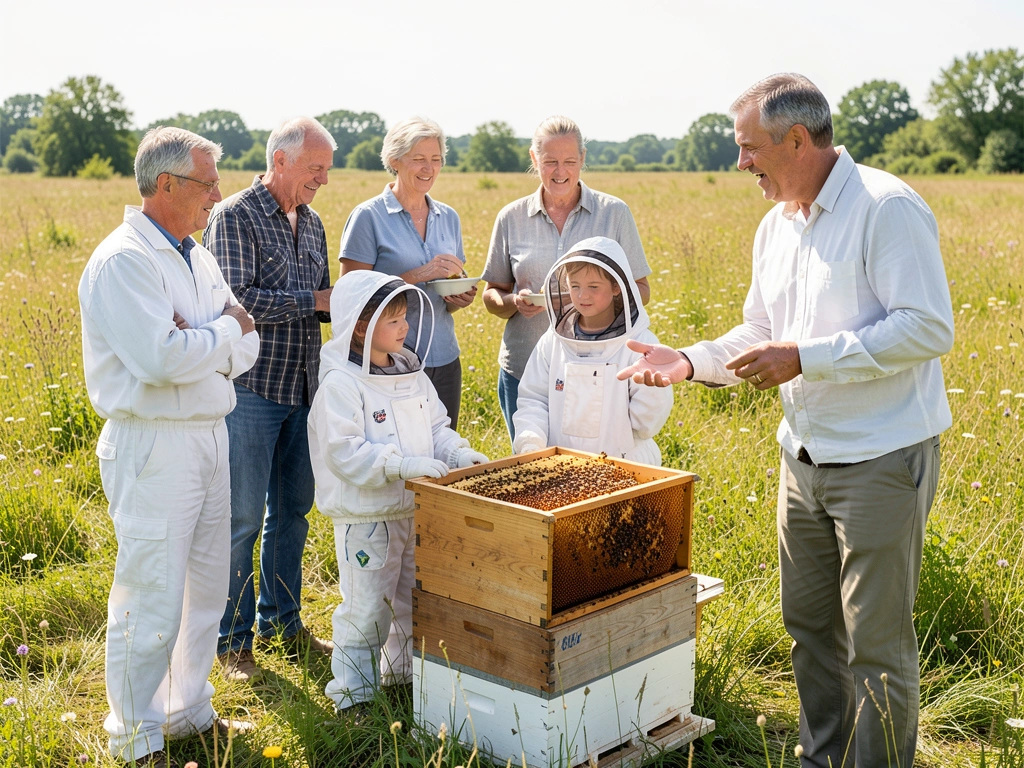
Suits, veils and gloves are provided. Visits run from April to September in calm, warm weather, and we move the date if the bees will not like the forecast.
from$45
from$180
from$320
We teach beekeeping, not bee medicine. For bee health problems that need official help, contact the authority that looks after bee health in your country.
A hive visit is calm when everyone knows the rules, so please read them before you book.
Anyone who has had a serious reaction to a sting should speak to their doctor before joining a visit. If someone collapses or struggles to breathe, ring your local emergency number straight away.
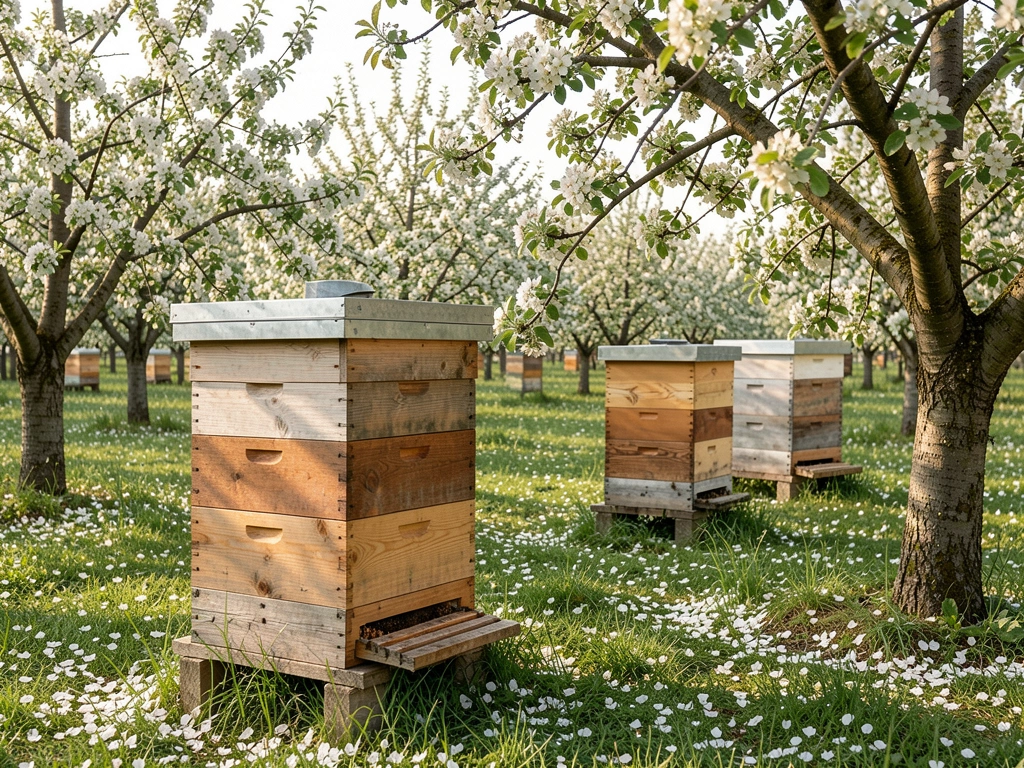
From orchard blossom in spring to candle pouring when the harvest is in.
The late summer honey is dark and almost smoky, and the soft set jar spreads like butter. Both came wrapped so carefully that nothing could have broken.
Our beekeeper found the queen within ten minutes and let each of us hold a frame. The children stayed right beside us and talked about the tasting all the way home.
The weekend course was honest about the hard parts: swarms, stings and losing a colony. Six mentoring visits later, our first hive came through the winter.
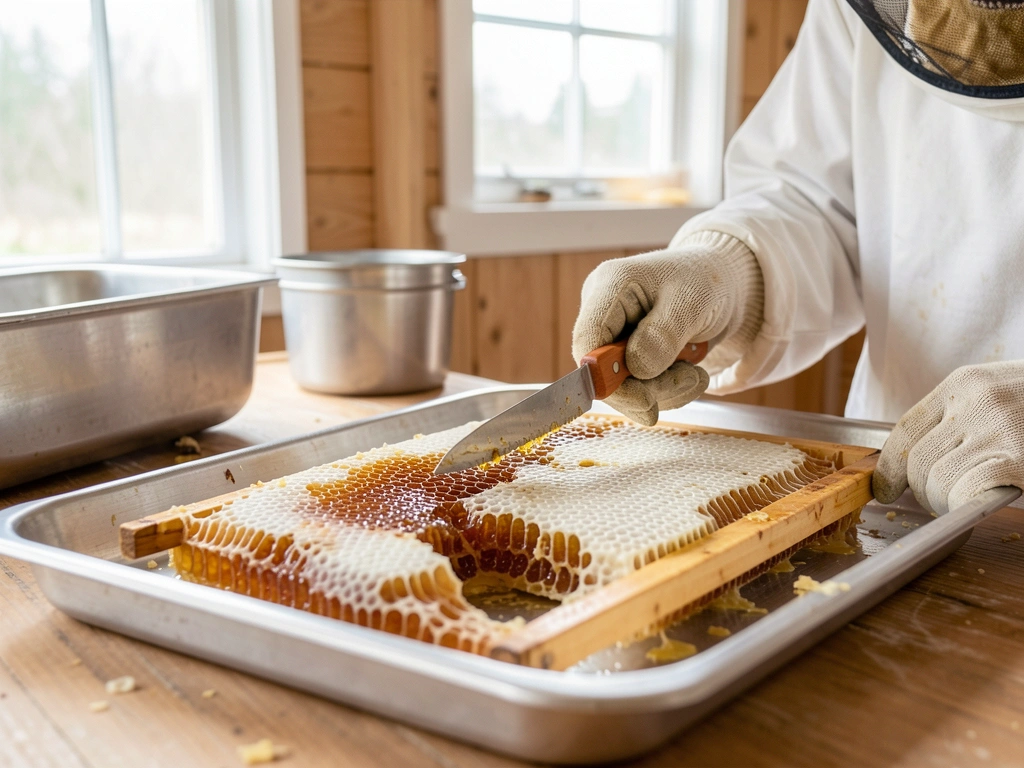
No. It is spun from the comb, strained through a fine mesh and jarred at the warmth of the honey house. That is all we mean by raw.
Most honey sets in time, and that is natural. Stand the jar in warm water until it softens, or enjoy it set on toast.
No. As with any honey, it should not be given to babies under twelve months old.
Please tell us when you book. Anyone who has had a severe reaction should speak to their doctor before joining a visit, and in an emergency should call the local emergency number.
Children from 8 can join if a parent or carer stays at their side throughout. We have small suits for them, and they hold a hand near the pond and the water troughs.
We supply a few local shops and cafés in cases of twelve jars. Send a note with the form and we answer with prices and the honeys left in the store.
Choose a date and tell us who is coming. We confirm within two working days, and a hive visit may move if the weather turns cold or wet.
The honey house and its shop sit at the edge of the orchard, a short walk from the parking area.
On the hill road, twenty minutes from town, with hives on four sites nearby
| Wednesday to Saturday | 10:00 to 17:00 |
| Sunday | 11:00 to 15:00 |
| Monday and Tuesday | Closed |
Twenty minutes from town on the hill road, signed from the crossroads. The hives stand well away from the paths, so please keep to them and leave dogs at home.
This honey farm website was built by AI from two sentences. Tell us about your business and yours is built the same way, with its pages, photos and booking in place, ready to preview in minutes.
About this sample page
Golden Comb Honey Farm is an invented apiary, and its one page site shows a beekeeper selling honey and wax and filling hive visits on AI Web Maker. Honey, comb, candles and food wraps sit in a shop with options and a bag, and wedding favours carry an Enquire button. A harvest table explains taste and texture, and a short section describes how the hives are kept. Hive experiences, a weekend course and a mentored first season are priced on three cards. A list of sting and child safety rules, the questions and a date request form complete the page.
A beekeeper building on AI Web Maker writes a few lines about the hives, honeys and courses, and the builder drafts the site from them for shaping. Options, the bag, the checkout with its delivery fee and discount codes look after the jars, while visit requests arrive through the form for the farm to accept, move or decline. Payment for visits is arranged between the farm and the visitor directly. Drafting and previewing are never charged, and once live the farm pays $119 a year or $19 a month in hosting, plus its domain. The season's real work can then stay with the bees.