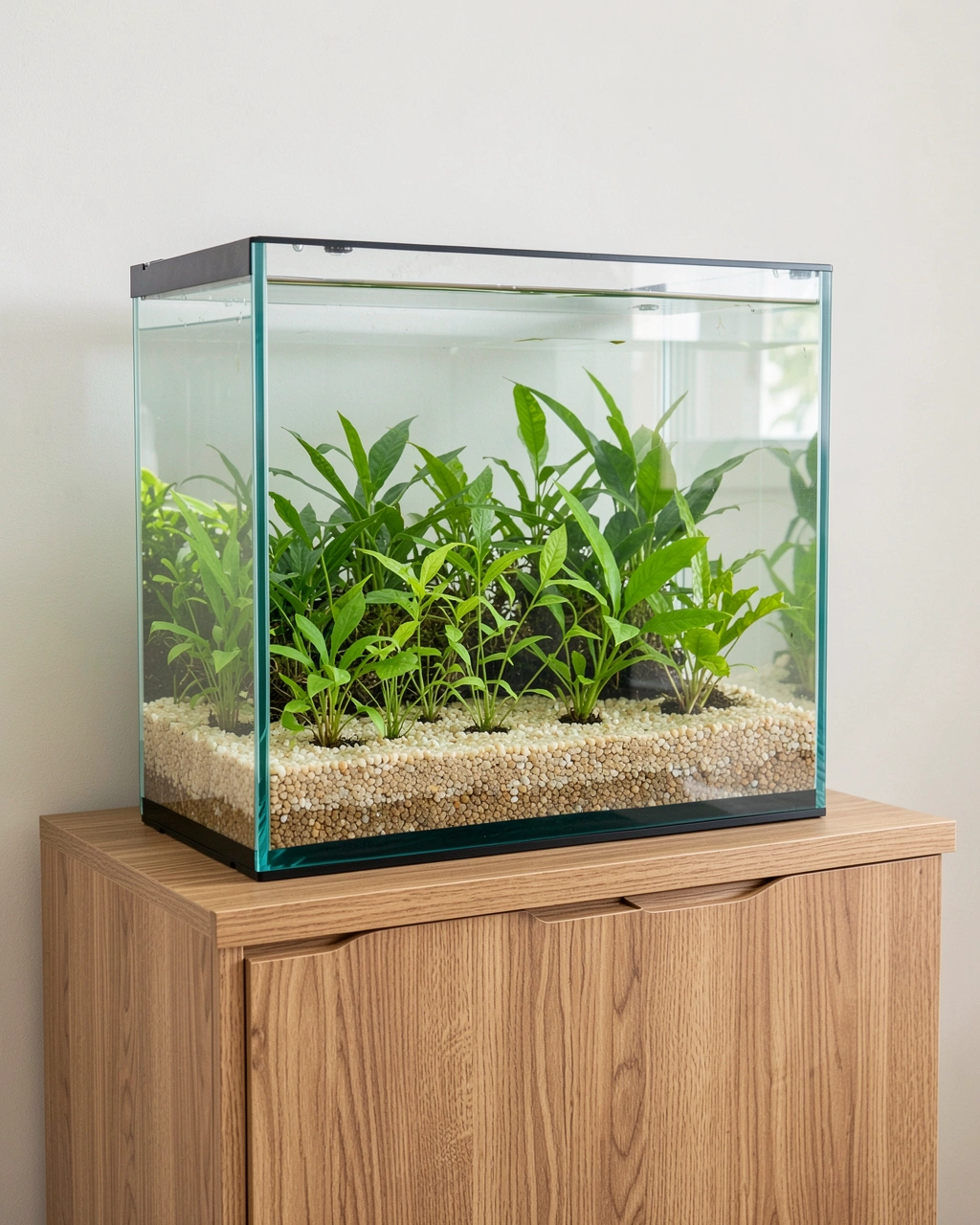
 A good first tank
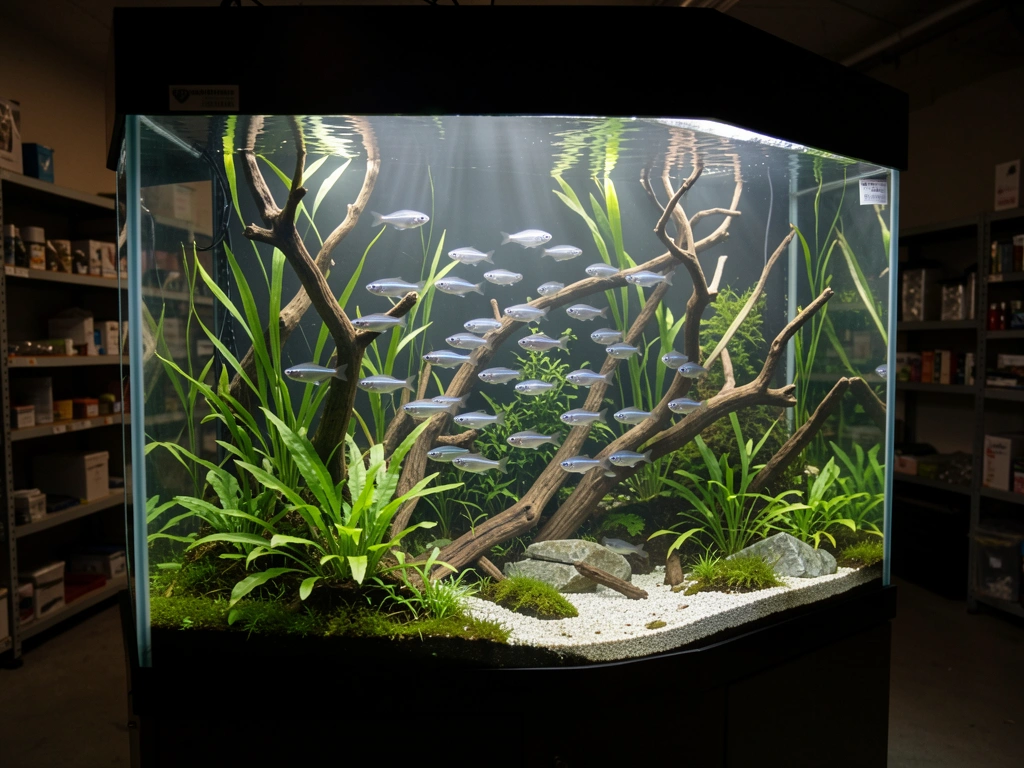
Planted starter tank, 60 litres
Glass tank with a light, filter and heater; fish chosen later
from $189
Deep Blue Aquatics sells tanks, filters, food, test kits and live plants, with freshwater fish chosen in person at the shop. Order supplies for delivery or collection, or ask us to set up and plant a tank in your home or office.
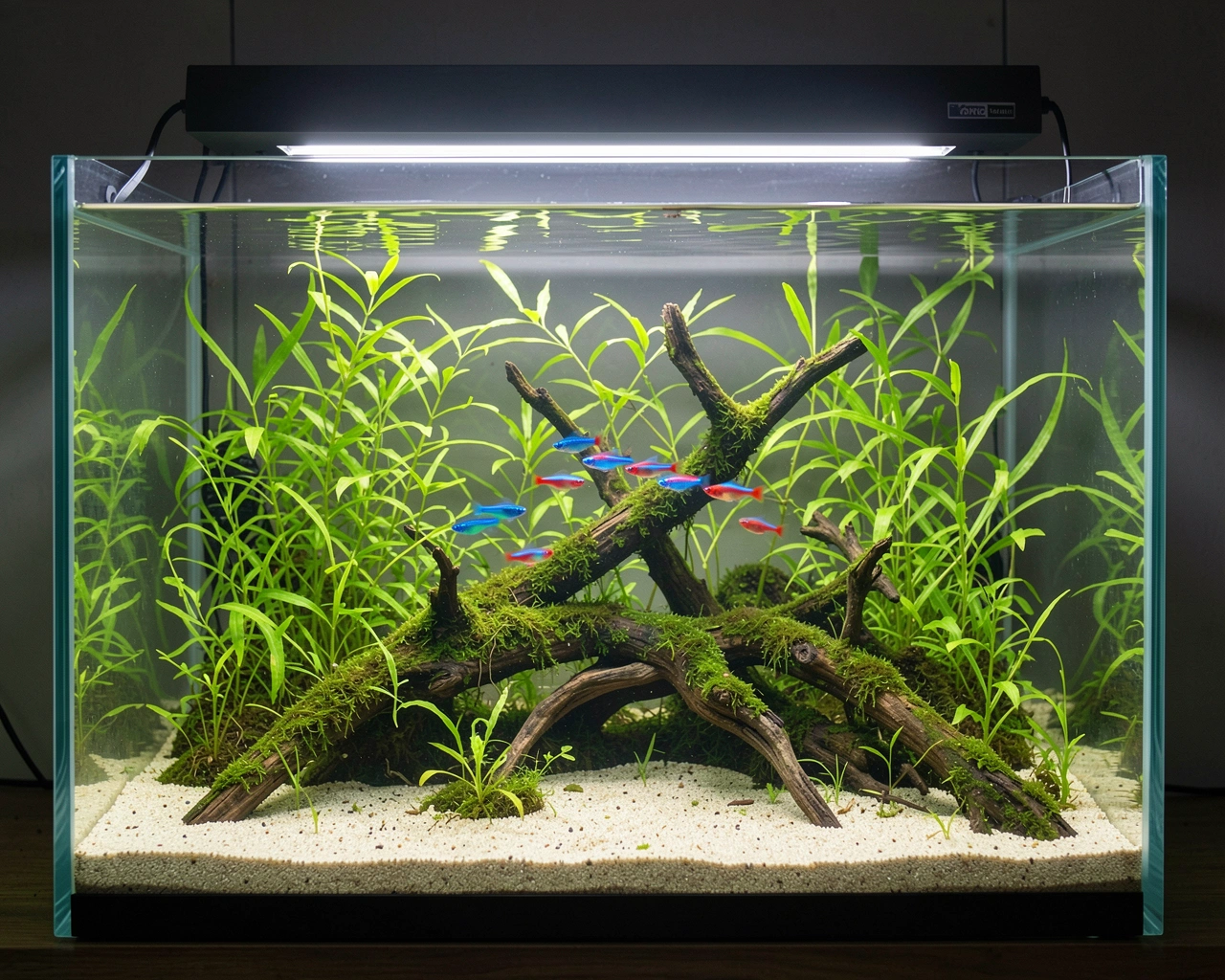
Supplies can be delivered or collected. Live fish and shrimp are sold at the shop only, where each one can be talked through before it goes home with you.
A good first tankGlass tank with a light, filter and heater; fish chosen later
from $189
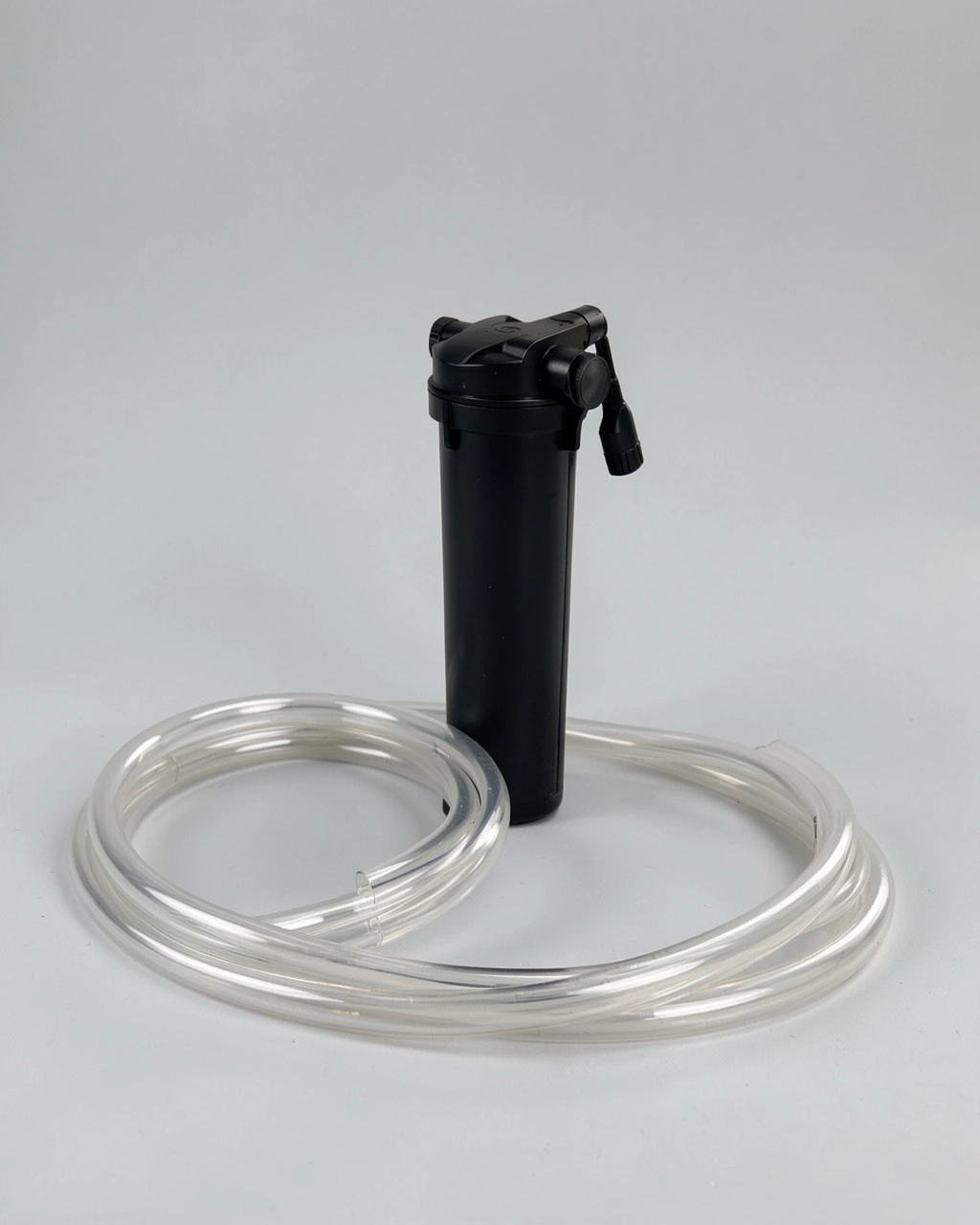
A quiet filter for tanks of 100 to 250 litres
from $139
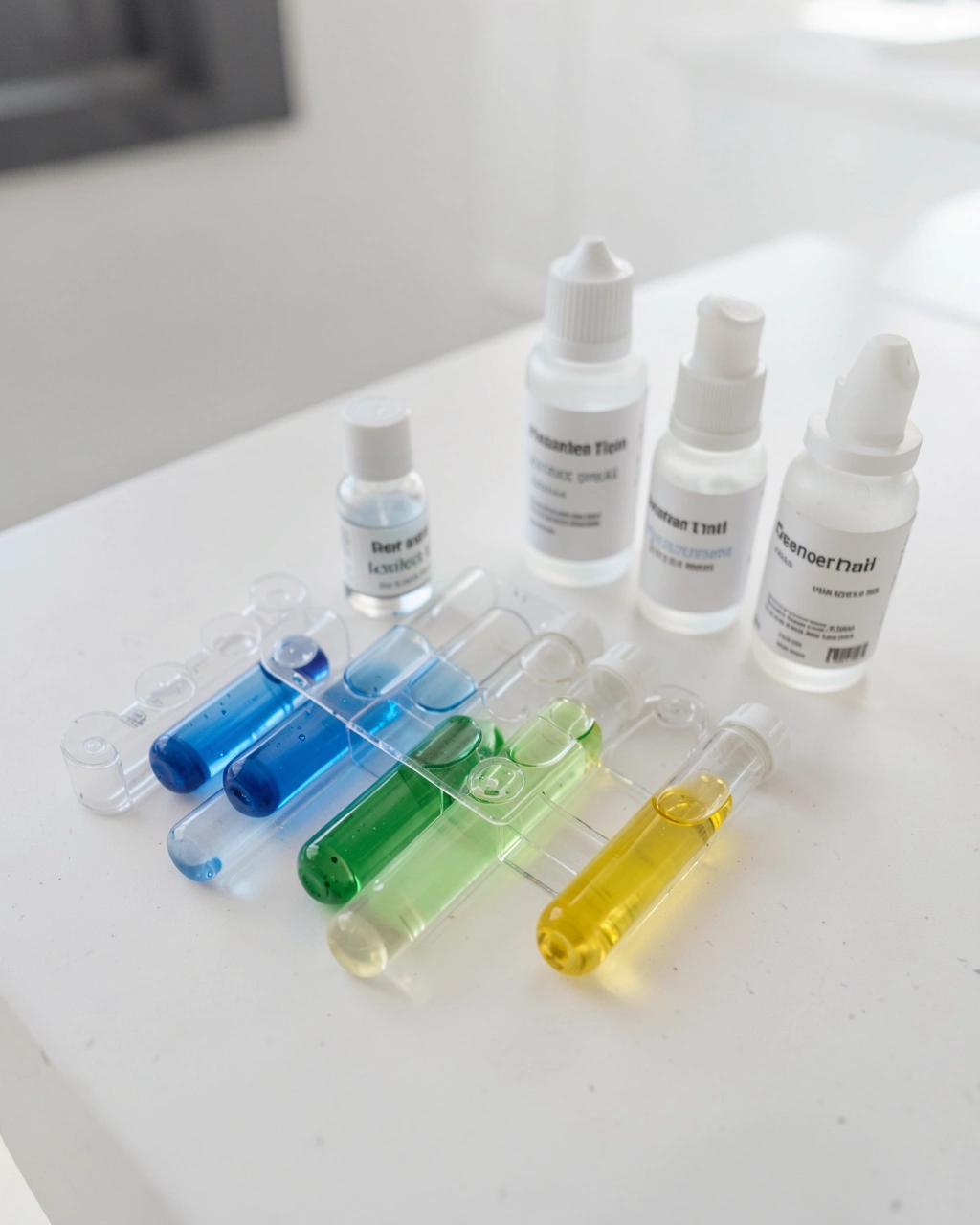
Ammonia, nitrite, nitrate and pH, about 100 tests of each
$36
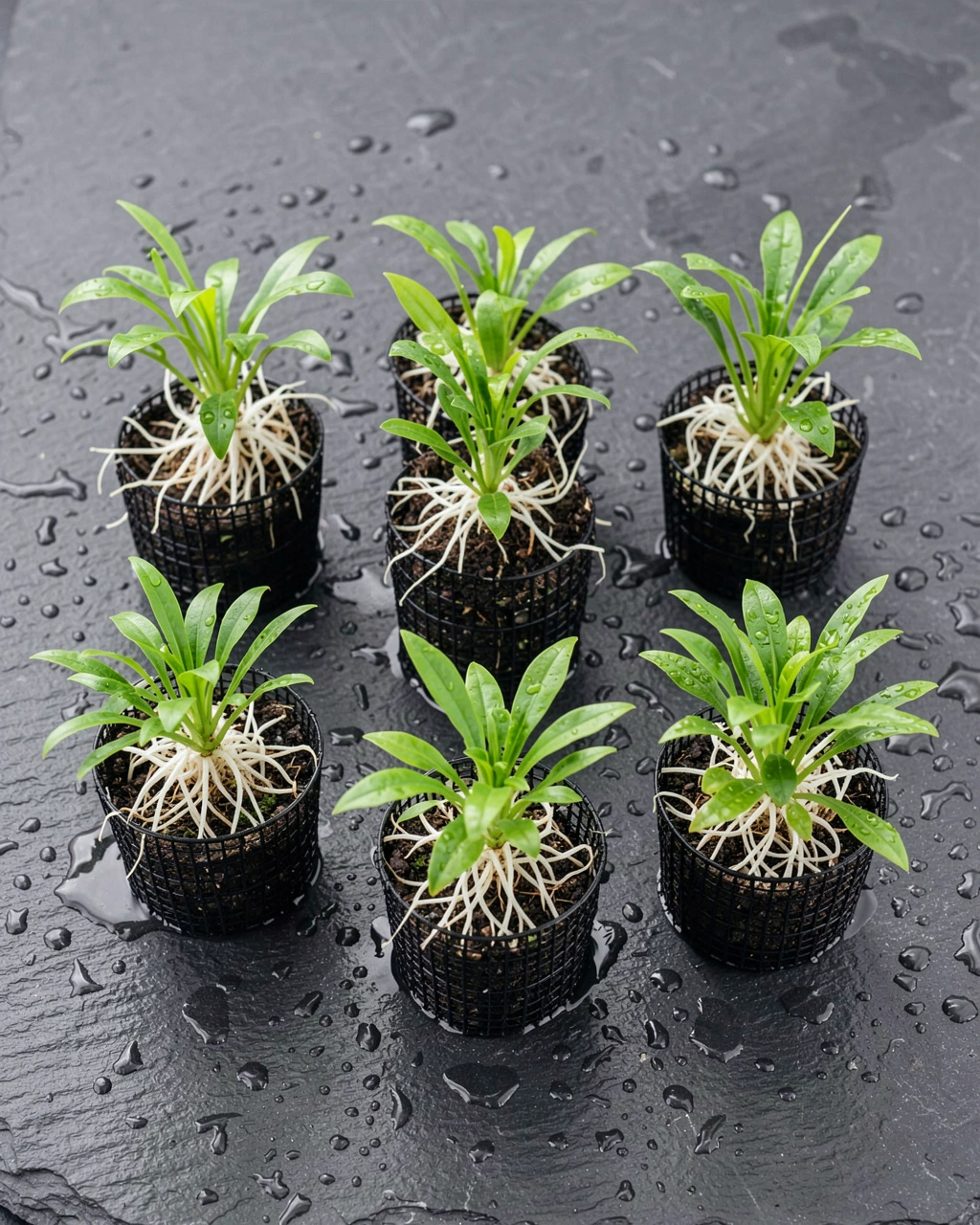
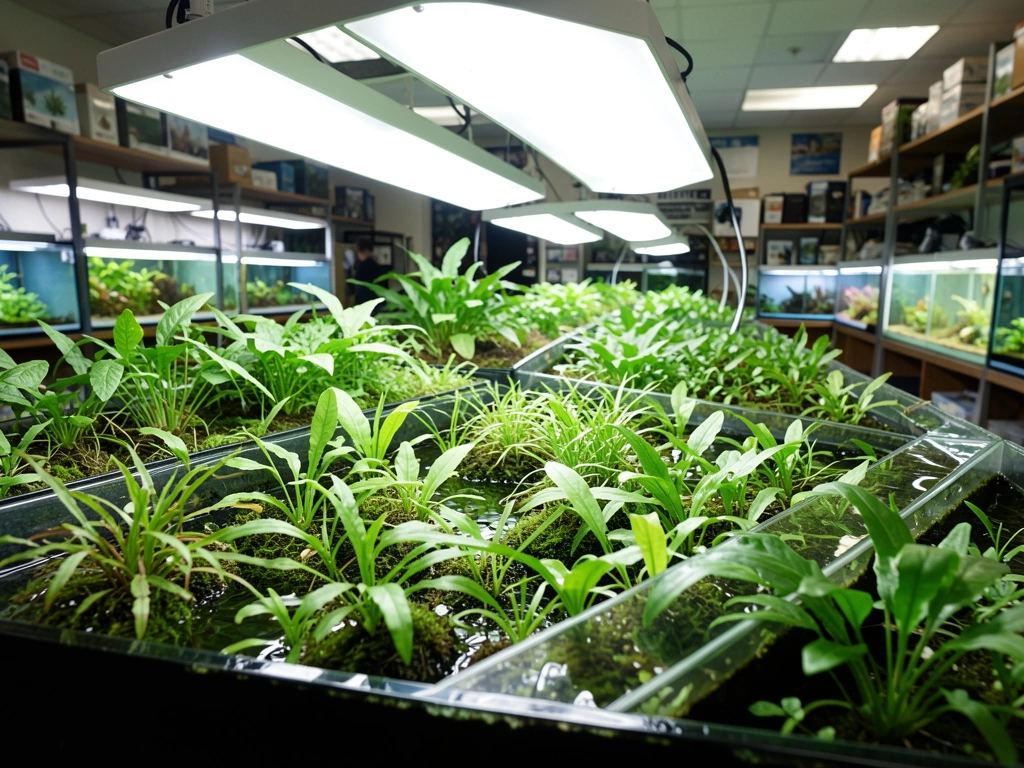
Six easy plants grown in the shop
$28
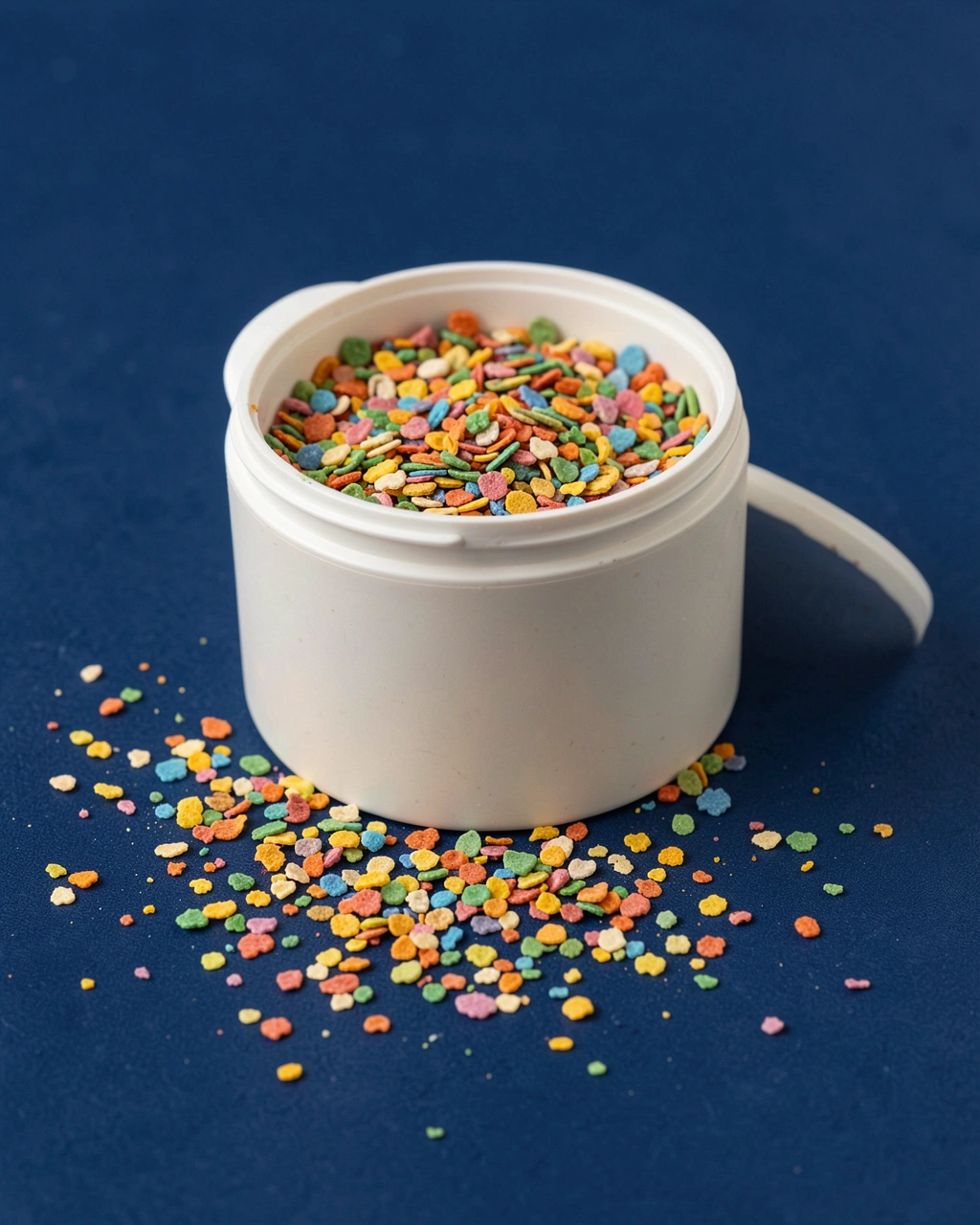
Balanced flakes for community fish
from $12
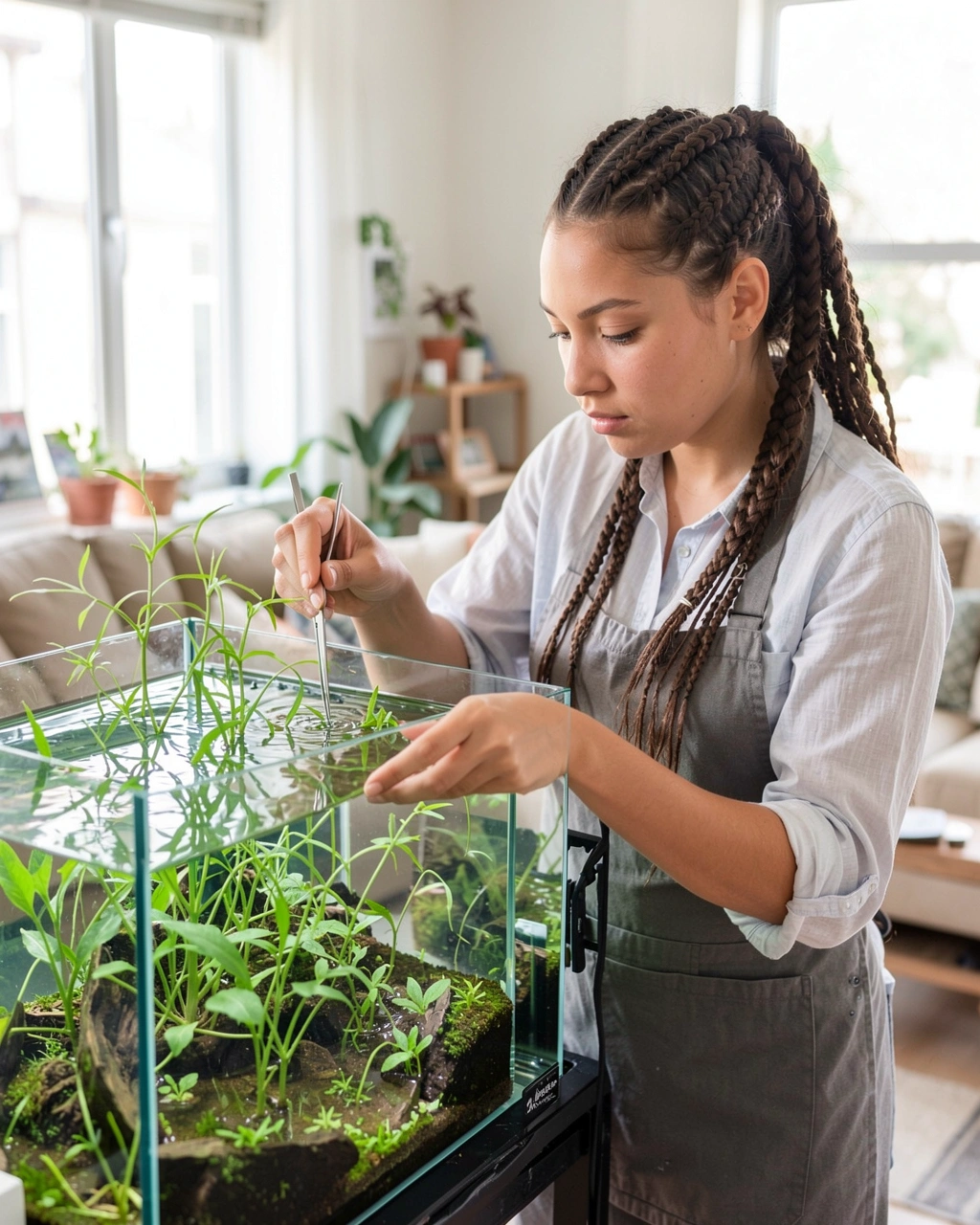
We plant and start the tank, then add fish over the following weeks
Price on enquiry
EnquireCheckout adds the delivery fee for supplies, and unopened supplies can come back within 14 days. Plants travel in damp wrap; please never tip spare plants, snails or tank water into ponds, drains or rivers.
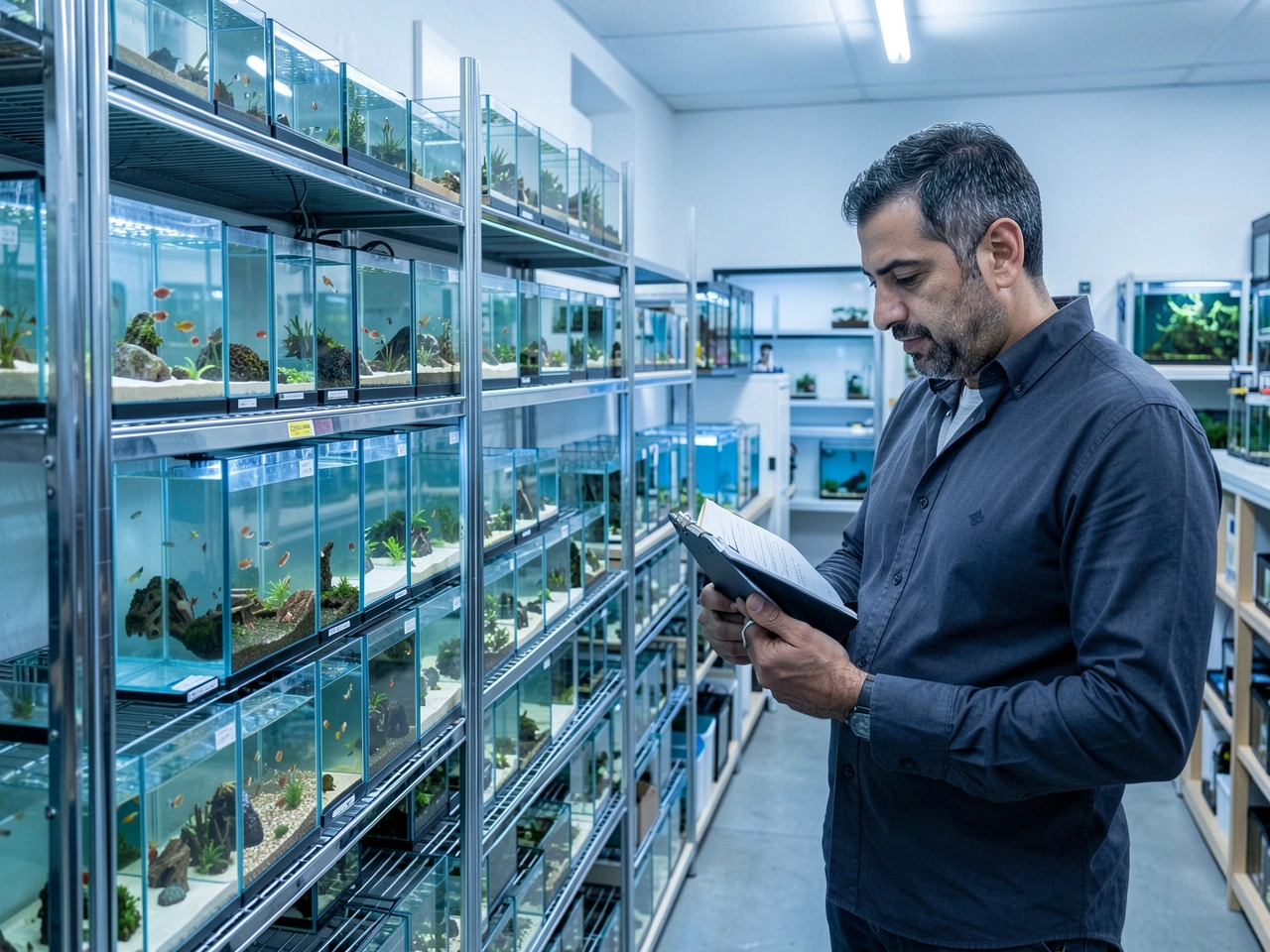
Every fish and shrimp we sell is legally traded, and wherever a captive bred source exists, that is the one we buy from. A few species only come from responsibly managed wild collection, through licensed suppliers with paperwork. Rules on which species may be kept, sold or moved vary between countries and regions, and the shop works within the ones in force locally.
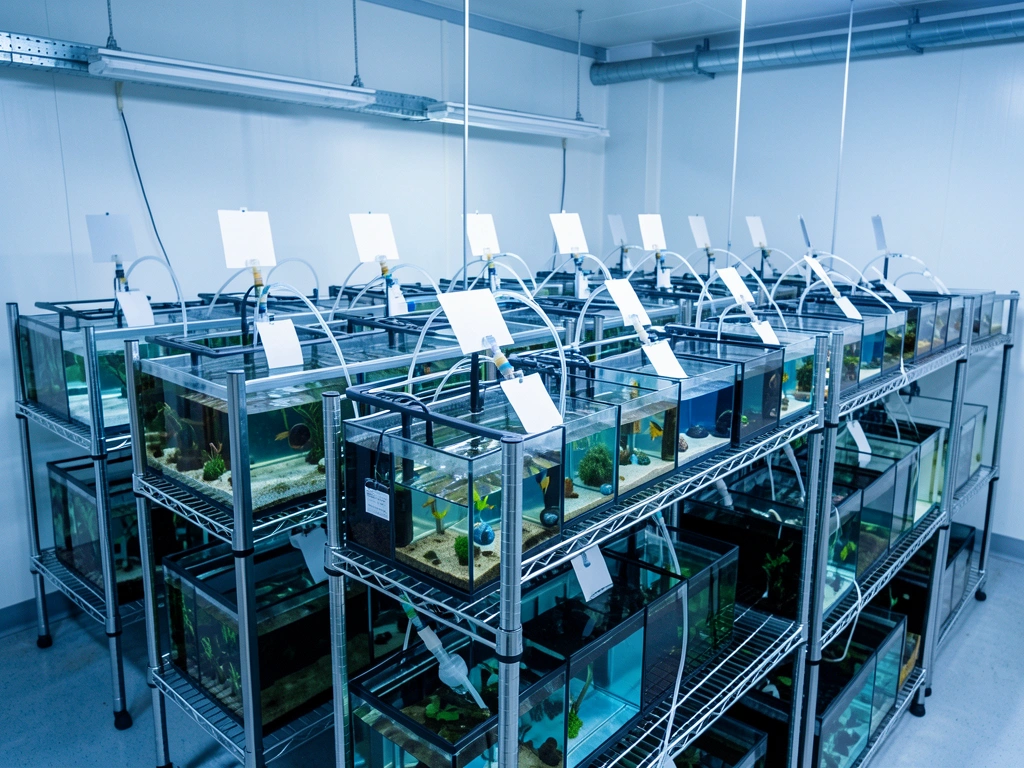
New arrivals spend two weeks in our quarantine tanks before they go on sale, so we can watch them feed and settle. A fish bought here must never be released into a pond, lake or river, where it can harm local wildlife; if one can no longer be kept, bring it back and we will find it a new home.
Rules of thumb we give at the counter for a freshwater tank. Every species has needs of its own, so each fish is talked through before you buy it.
| Tank volume | Filter flow per hour | Heater | A sensible start |
|---|---|---|---|
| 40 litres | 160 to 240 litres | 25 to 50 watts | Shrimp or a small shoal of tiny fish |
| 60 litres | 240 to 360 litres | 50 watts | A few small, peaceful community fish |
| 120 litres | 480 to 720 litres | 100 watts | A community tank with a few bottom dwellers |
| 250 litres | 1,000 to 1,500 litres | 200 watts, or two of 100 | A larger community or a planted show tank |
Heater sizes assume a cool room at about 18 °C; a warmer room needs less.
For homes, offices and waiting rooms. Expect five or six weeks between our first look at the space and the day the first fish swim in it.
We look at the space, check the floor can carry the weight, since every litre of water weighs a kilogram, and talk about the fish you hope to keep.
A written plan lists the tank, stand, equipment and plants, priced in full before anything is ordered.
We install, plant and fill the tank, then let it run without fish for about four weeks while helpful bacteria settle in the filter.
Fish go in a few at a time, and the water is tested with you at each visit through the first month.
For keepers who want a second pair of eyes, a hand with the heavy jobs or cover while they travel.
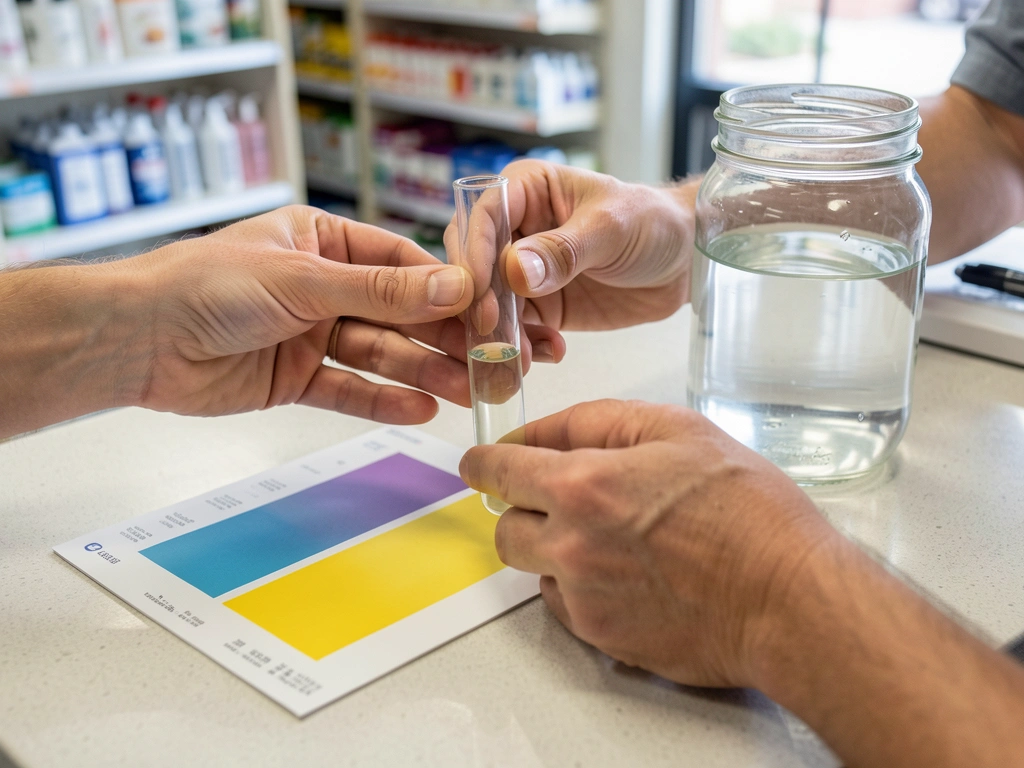
Bring a small jar of tank water and it is tested while you wait, with the numbers explained in plain words.
Water changes, glass and filter cleaning and plant trimming, monthly or every fortnight.
Feeding and a quick check every few days while you are away.
Fish bagged safely, the tank drained, moved and set up again at the new address.
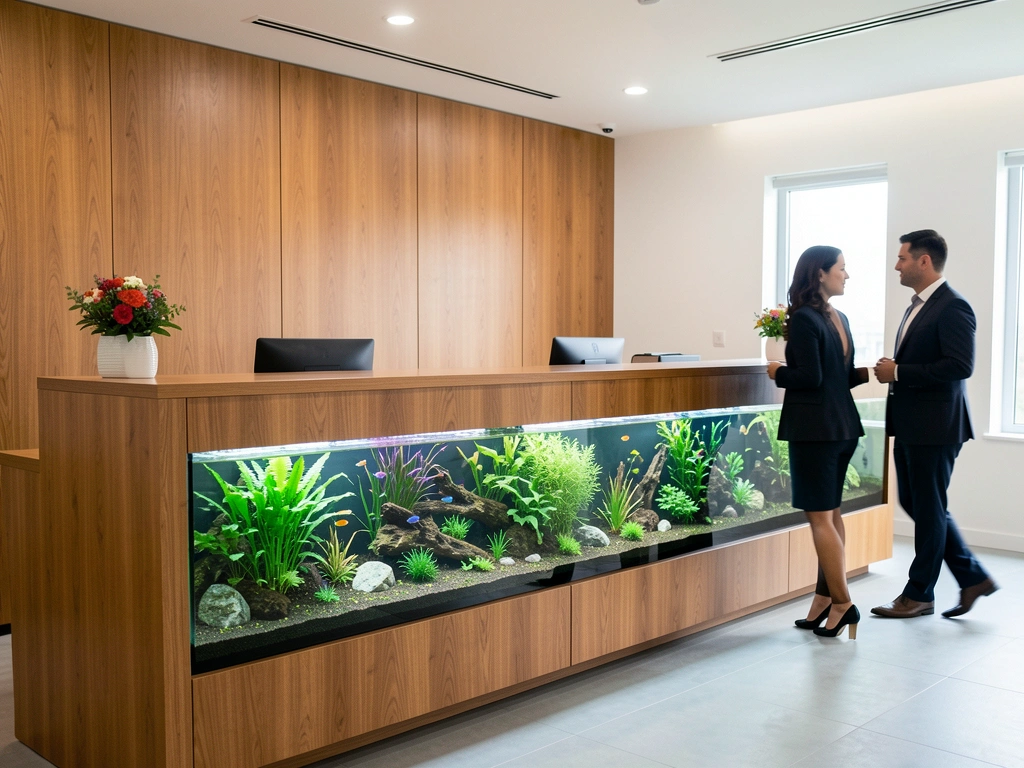
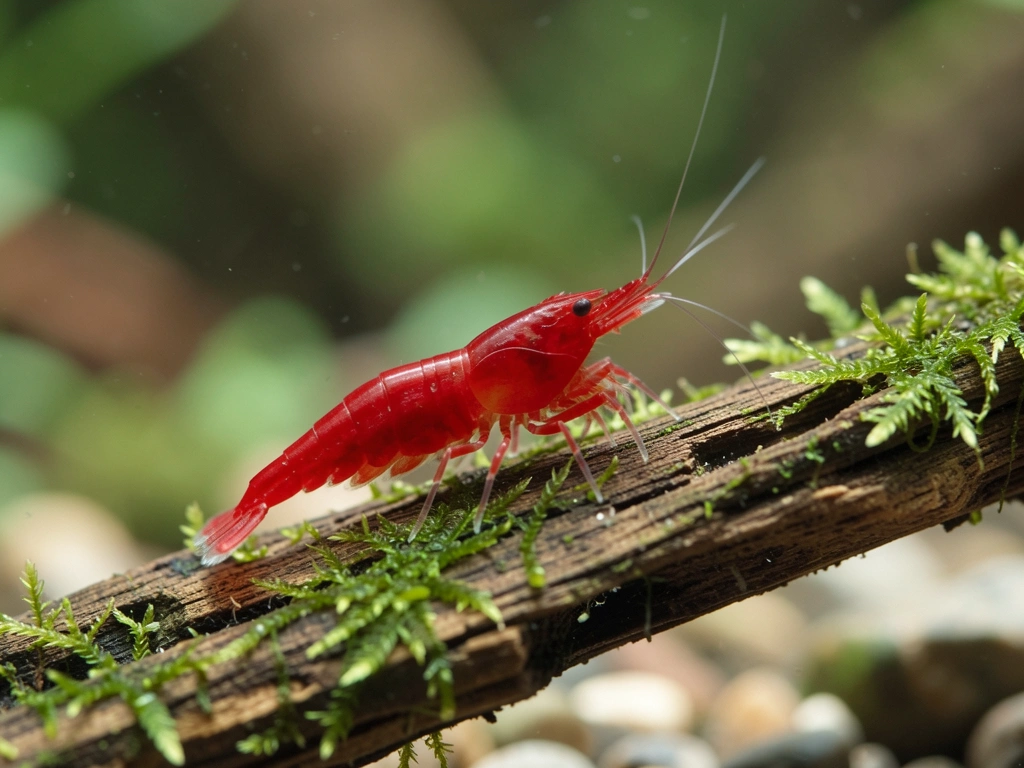
Plant tanks, the quarantine room and a setup in an office reception.
The staff talked us out of the fish we came in for, because they would have outgrown the tank, and helped us pick a shoal that suits it. Two years on, every one is still swimming.
A planted tank for the clinic waiting room, set up over five weeks with no fish until the water was ready. Patients stop to watch it every day.
Brought a jar of water in when the tank turned cloudy. The test took five minutes, and the explanation finally made sense of the numbers.
No. Fish and shrimp are sold at the shop only, so they travel a short way in an insulated bag and every question can be asked as they are chosen. Plants and supplies can be delivered.
Bring it back to us. We take back healthy fish bought here and find them a new home through the shop. Never release fish, snails or plants into the wild, where they can spread disease and crowd out local species.
Usually four to six weeks. The filter needs time to grow the bacteria that make fish waste safe, and the water is tested with you before the first fish go in.
Most are captive bred. A small number of species are only available from responsibly managed wild collection, through licensed traders with paperwork, and the label on the tank says which ones those are.
No. We keep freshwater fish and plants only, which keeps our tanks, our advice and our quarantine room focused on what we know best.
Yes. Business setups follow the same plan as a home, and a maintenance visit every fortnight keeps the tank looking cared for in a busy room.
Tell us about the space and the sort of tank you picture there. Within two working days we write back with a time to visit, and the plan and price arrive in writing before anything is ordered.
Watch the display tanks for as long as you like; weekday afternoons are the calmest time to talk through a new setup.
| Monday | Closed |
| Tuesday to Friday | 10:00 to 19:00 |
| Saturday | 09:00 to 18:00 |
| Sunday | 11:00 to 16:00 |
Half a small jar of tank water, taken before a water change, is enough for a full test at the counter.
This aquarium shop website was built by AI from two sentences. Tell us about your business and yours is built the same way, with its pages, photos and booking in place, ready to preview in minutes.
About this sample page
Deep Blue Aquatics is an imaginary freshwater shop, written as an example of an aquarium retailer selling on AI Web Maker. The hero frames a planted tank with a glowing hood light and bubbles rising through the water. Tanks, filters, a test kit, plants and food follow with options and an Add to bag button, whereas a home setup opens an enquiry. A section on sourcing explains captive bred stock, quarantine and the shop's refusal to see fish released into the wild. A filter and heater table, a four step setup and priced care services complete the picture.
Owners of aquarium shops can start from a short description of their stock, services and policies on live animals. The builder drafts product cards with options, a bag that feeds a checkout with the delivery fee and discount codes, and a form for setup enquiries. Live fish can stay off the online shop and be described as sold at the counter, just as this example does. From launch onward, hosting is a $119 yearly charge, and the shop picks and pays for its domain on its own. A longer walk through each section waits on the sample page, ready to be adapted to a real shop's tanks and terms.