Follow Up After No Reply DM: A Patient Sequence That Works
A DM that goes unanswered is rarely a no, and sending one message then giving up leaves most conversations unstarted. A patient sequence of three short, well-spaced messages earns more replies without sounding pushy. Once you have your wording and timing set, you can point each message to a site that backs up what you say.
- 7 networks
- A reply for each person
- You post every reply
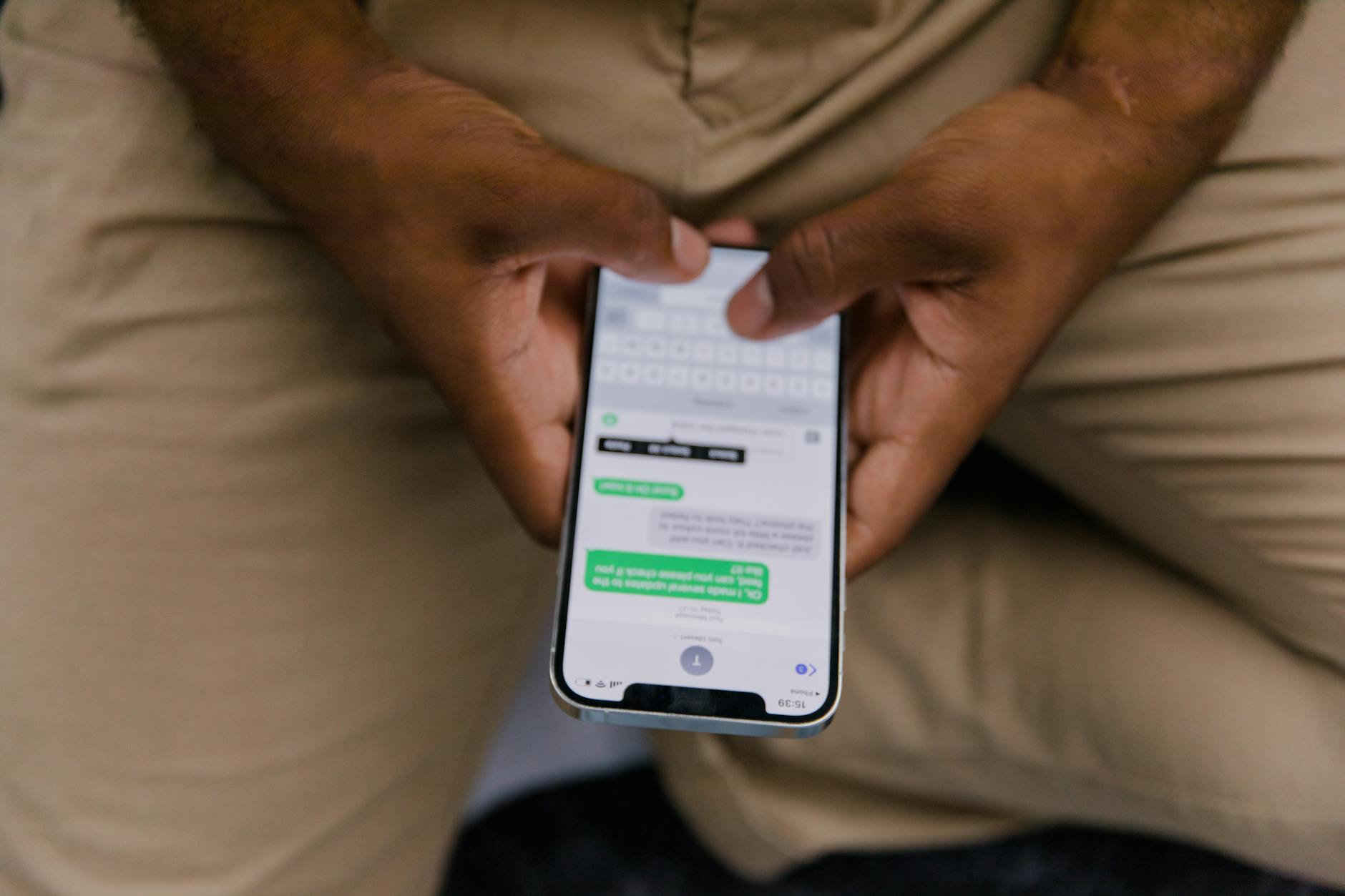
You sent a thoughtful message, waited, and got nothing back. That silence stings, and it leaves many small business owners stuck between giving up and sending something pushy. Learning how to follow up after no reply DM is one of the quietest skills in outreach, because it separates the people who start conversations from the people who send one message and wonder what went wrong. The good news is that a patient sequence of three short messages, spaced sensibly, feels polite to the person receiving it and earns far more replies than a single attempt. This post walks through why silence rarely means no, how to time each nudge, what to write, and what to do when the sequence ends. It works whether you are a freelance designer, a local plumber, or a shop owner reaching out to potential partners.
Why most unanswered DMs are not rejections
The first thing to accept is that people miss messages all the time. A busy inbox on Instagram, LinkedIn or Facebook fills with notifications, group chats, spam and requests from strangers, and yours can slide below the fold within hours. Many platforms also tuck first-contact messages into a separate requests folder that some people check once a month. Your message may never have been seen, which is very different from being read and refused. Thinking of silence as a delivery problem instead of a verdict takes most of the sting out of it.
Even when someone did see your message, a missing reply usually means "not now" rather than "never." They may have read it on a phone while walking into a meeting, meant to answer later, and then lost it under a pile of other tasks. Others are curious but want to think about it, or are waiting for a quieter week. If your message was relevant to them, the interest is often still there, just waiting for a second chance to surface. That is why a well-timed nudge feels helpful to many recipients instead of annoying.
Your tone should change once you see it this way. If you assume you were ignored, your follow-up will sound defensive or passive aggressive, with lines like "Just checking if you saw my last message." If you assume you were simply buried, you will write something light, friendly and easy to answer. Before you write anything, it also helps to make sure your profile and website tell a clear story, since a person who is mildly curious will click through to check you out. An ai website generator for social media outreach can give you a professional site in minutes, so that a curious click leads somewhere that builds trust while you wait.
The timing that keeps you from sounding pushy
Give the first message real breathing room before you do anything else. Waiting four to five business days is a sensible starting point, because it covers a full working week and lets the recipient get past a busy Monday or a travel day. Messaging the next morning signals impatience, while waiting a month makes your original message feel stale. If you sent your first DM on a Tuesday, the following Monday or Tuesday is a natural moment for the first follow-up. Aim for mid-morning on a weekday, when people are most likely to be at their phone or desk.
The second and third messages should be spaced further apart than the first gap. A good rhythm is about five business days before the first follow-up, then roughly a week and a half before the second, then two weeks or more before the last one. Stretching the intervals shows that you are not tracking their every move, and it keeps the whole sequence from feeling like a countdown. It also gives the person plenty of chances to find the message on a calmer day. Someone who ignores you for a week because of a deadline might respond happily in week three.
The most important timing rule is knowing when to stop. Three follow-up attempts is a generous ceiling for a cold or lukewarm contact, and for many contacts two is plenty. Beyond that, further messages move from persistence into pressure, and some people will report or block an account that keeps pinging them. Respecting the silence after a small number of attempts is both good manners and good strategy, because the person who politely hears from you three times will remember you better than the one who got ten messages. Deciding the limit before you start also stops you from improvising out of frustration later.
Writing the three messages to follow up after no reply DM
Your first follow-up should add something instead of repeating yourself. Skip lines like "Bumping this up" and give the person a small, useful reason to look again. That might be a short example relevant to their business, a recent result you achieved for a similar customer, or a quick observation about something they posted. For instance: "Hi Amina, I saw your new menu launch and thought of my earlier note. We just helped a nearby cafe get found for 'brunch near me,' and I'm happy to share how if it's useful." It is brief, specific and gives them a fresh reason to reply without making them feel guilty for not answering.
The second follow-up should be the easiest message in the sequence to answer. Busy people often ignore long messages because replying takes thought, so reduce the effort to a single word. Ask a clear yes or no question, such as "Would it be helpful if I sent over a two-line summary, or is this not a priority right now?" Offering both options makes a refusal feel safe, which paradoxically makes a positive answer more likely. Keep it to two or three sentences, and avoid reintroducing your whole offer, since they have already seen it twice.
The last message exists to close the loop gracefully, and it should leave the door open instead of guilting anyone. Something like "I don't want to clutter your inbox, so this will be my last note. If the timing changes, I'd be glad to help, and you're welcome to message me anytime." works well because it removes pressure and shows professionalism. This kind of closing note often gets the best response rate of the three, precisely because the person no longer feels chased. Even if they never reply, you leave a good final impression, and the memory of a courteous sender can bring them back months later. Never add sarcasm or a hint of blame, however tempting after weeks of silence.
What to do when you still hear nothing
If the sequence ends without a reply, move on without resentment. The silence tells you about their availability, not your worth, and carrying irritation into your next outreach will leak into your wording. Log the contact in a simple spreadsheet or notes file with the date, the three messages you sent, and a short note about why they were a good fit. That record lets you return later with context and keeps you from pitching the same person twice by accident. Treat it as a pause in the relationship, not a closed door.
Think carefully before switching channels. Trying email or a phone call can make sense if the person clearly uses that channel for business, for example if their Instagram bio lists a contact email or their website invites enquiries. If they have only ever used the platform casually, contacting them elsewhere can feel intrusive, as if you went hunting for their details. A good test is whether they have publicly offered that route for professional contact. When in doubt, keep the original channel and wait for a better moment.
Keeping your outreach in good standing
Tracking is what makes a patient sequence possible at all. Once you are messaging more than a handful of people, you will forget who got which message and when, and duplicate contact makes you look careless or spammy. A simple sheet with columns for name, platform, date of first message, dates of follow-ups and outcome is enough. Check it each week and send only the follow-ups that are actually due. This small habit also makes your messages more personal, since you can glance at your notes before writing.
A consistent, polite sequence also protects your reputation on the platform itself. Social networks watch for accounts that send many near-identical messages or get reported by recipients, and they can limit or suspend them. Keeping to three messages, varying your wording, and never contacting people who clearly said no keeps your account healthy. Your business name is attached to every message, and people in the same town or industry talk to each other. Being known as the courteous one is worth far more than a few extra reluctant replies.
Finally, do not let any single message carry all the weight. Follow-ups work best as one part of a steady outreach plan, where you contact a few new people each week, post useful content, and engage with others before you ever send a pitch. When your pipeline is full, a non-reply stops feeling personal, and you can stay relaxed and generous in your tone. A strong profile and a clear, professional website help here too, because they keep working for you between messages. Outreach becomes a rhythm instead of a gamble.
Silence after a DM is almost always an invitation to be patient, not a signal to give up or to push harder. Wait several business days, send a follow-up that adds something useful, then ask an easy yes or no question, and finish with a warm closing note that leaves the door open. Keep your spacing generous, keep your sequence short, and keep a record so you never contact the same person twice by mistake. When the sequence ends without an answer, let it go with good grace and return only when something meaningful about your offer has changed. Do that consistently and you will build a reputation as someone worth replying to, even if the reply sometimes comes months later.
Recent posts where people ask for help with your kind of work, on Reddit, Quora, X, Threads, LinkedIn, YouTube and public Facebook groups, with a reply written for each.
Find the conversations your customers are having with AI Social Media Outreach →