Cold DM Template for Business: Write One That Gets a Reply
A first message to a stranger usually fails because it runs too long or reads like a pitch, not because the person was never interested. Keep it short, specific and easy to answer, and mention your website only as a helpful next step. Having a site that explains what you do makes that one link worth clicking.
- 7 networks
- A reply for each person
- You post every reply
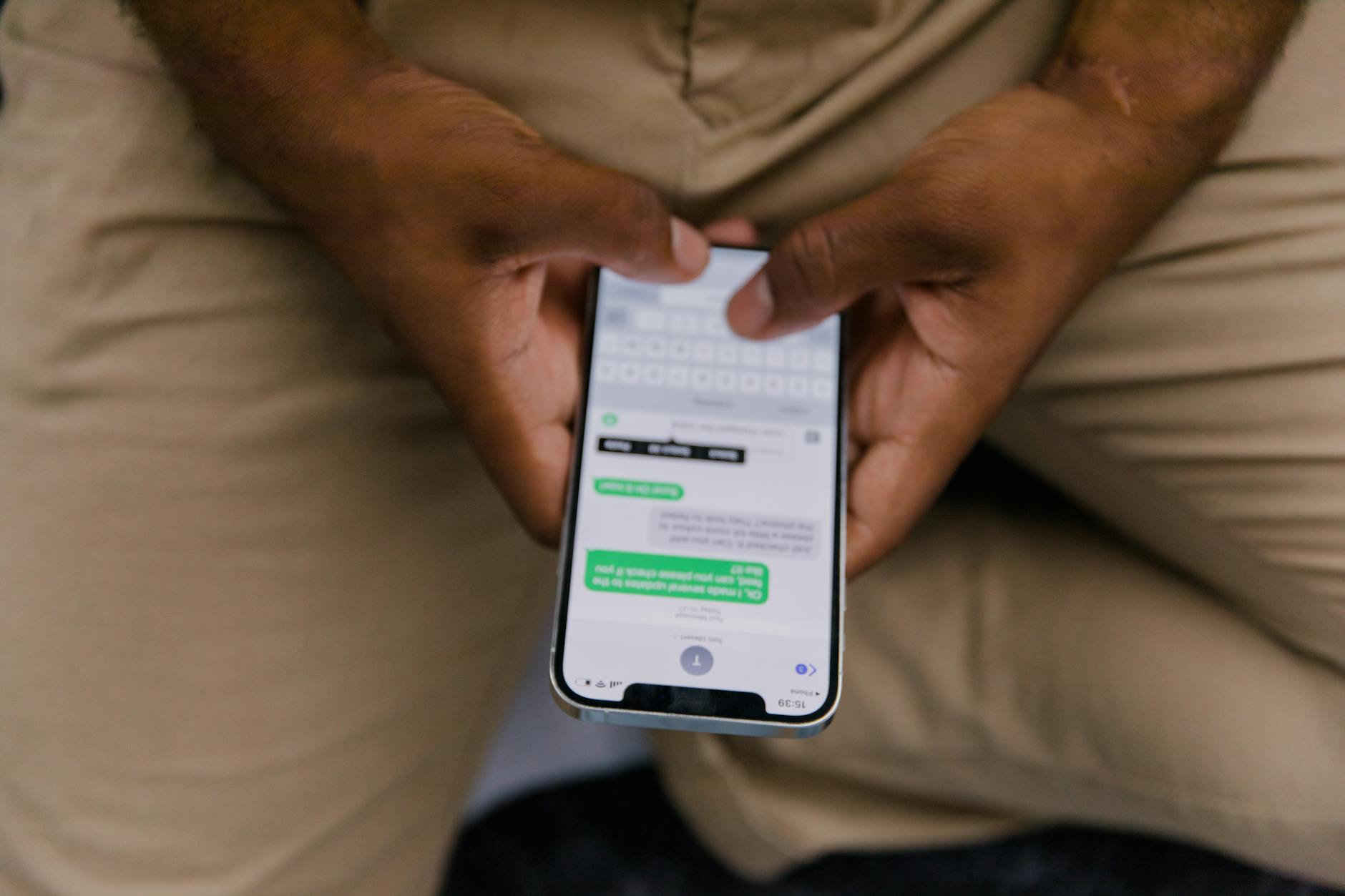
Sending a first message to a stranger feels awkward for almost everyone, and that awkwardness is usually why the message ends up either too long or too salesy. A good cold dm template for business takes the guesswork out of the moment, so you can write something short, honest and easy to answer. This post walks through why most first messages get ignored, a simple four-part structure, and sample wording for both Instagram and LinkedIn. We will also cover how to mention your website without sounding pushy, and how to follow up without becoming a nuisance. Everything here is written for small business owners, freelancers and local service providers who would rather start real conversations than blast out copy and hope.
Why most cold messages get ignored
The first reason is simple: most cold messages look like they were written for everybody. Openers like "Hope you're well!" or "I came across your profile and was impressed" could be sent to a thousand accounts, and the reader knows it. When a message reads like a mass blast, the owner treats it like spam, even if you meant well. Pairing that with a pitch in the second sentence confirms the suspicion. If you use an ai website generator for social media outreach, or any other tool, the same rule applies, because the tool can speed up your work but it cannot replace a real reason for writing.
The second reason is time. A bakery owner is up before dawn, a plumber is under a sink, and a dental office manager is juggling phones and appointments. They judge a message in a few seconds, usually on a phone, often between other tasks. If they cannot tell who you are and what you want by the second line, they move on. A reply depends on showing that you looked at their specific business, so the message has to prove it quickly and then get out of the way.
The four-part structure of a respectful first message
Start with a specific, true observation about their business or a recent post. This is the part that separates a human from a script, so it must be real. Mention the sourdough with the rye crust they posted on Tuesday, the before and after photos of a bathroom renovation, or the new Saturday hours listed on their profile. Avoid flattery that could apply to anyone, such as "great content." A single concrete detail tells the owner that you spent thirty seconds on their page, and that is often all it takes to earn thirty seconds of theirs.
Next, add one sentence that says who you are and why you are reaching out. Keep it plain, for example "I'm Amina, and I help local businesses get their website and online presence sorted." Do not list your services, your years in business or your pricing. Then close with one low-pressure question or offer that invites a short reply, such as "Would it be useful if I sent a couple of ideas?" A yes or no question is easy to answer from a phone, while an open-ended request for a call asks for far too much from someone who does not know you yet.
The last part is the one most people skip, and it matters the most for trust: give a clear, easy way to say no. A line like "No worries at all if the timing isn't right" removes the pressure and makes the owner feel respected rather than cornered. Paradoxically, people who feel free to decline are more likely to say yes. It also protects your reputation in a small town, where the baker, the plumber and the dentist probably know one another. Four short parts, in this order, are all a first message needs.
A cold DM template for business on Instagram
Instagram is casual, so your message should sound like a friendly neighbor rather than a brochure. Here is a sample under 60 words that you can adapt: "Hi [Name], I loved your post about [detail from feed]. I'm [Your name], and I help local businesses with their websites. Could I send two quick ideas for making it easier for customers to find your hours and prices? No problem at all if now isn't a good time." Replace the bracketed parts with real details, and read it aloud before sending. If any sentence sounds like something you would never say face to face, rewrite it. Keeping it this short also means the whole note can be read on a phone screen without scrolling.
Tone should shift with the business. For a bakery, lean warm and sensory, perhaps mentioning a specific loaf or a seasonal special, and keep the question light. For a plumber, be brief and practical, because their feed is mostly jobs and phone numbers, so a note about how easy it is for customers to find service areas and call out hours will land well. For a dental office, be more polished and reassuring, avoid exclamation marks, and focus on helping patients book or find information easily. The structure stays identical in all three cases, and only the vocabulary changes.
Timing counts too. Mid-morning or early evening on weekdays tends to work better than the lunch rush or late at night, though a quick look at when the business posts will tell you more than any rule. After sending, wait about four to five days before a single follow-up, and keep that follow-up even shorter than the original message. If the account has a message request folder, remember that your first note may sit unseen for a while, which is another reason patience is better than sending three messages in a row. Treat silence in the first few days as a normal part of the process rather than a rejection.
A cold message template for LinkedIn
LinkedIn calls for a slightly more formal voice, and it gives you extra context to work with. A sample might read: "Hello [Name], I noticed we're both connected to [shared connection], and I saw your note about [local event or recent post]. I'm [Your name], and I help local businesses build clear, professional websites. Would you be open to a short exchange about how customers find you online? Completely fine if it isn't a priority right now." Naming a shared connection or a local event, like a chamber of commerce breakfast or a trade fair, gives the reader a reason to trust you. If you have no shared connection, skip that line rather than inventing one. A message that is honest about what you do and do not know about the person will always read better than one that stretches the truth.
LinkedIn readers respond better to a clear professional purpose than to vague friendliness. People there are in a work mindset, so they want to know in one sentence what the conversation is for and how long it will take. Saying "a short exchange" or "two quick questions" sets expectations honestly. It also helps to mention something in their role, such as the services they list or an article they shared, instead of praising their career in general terms. A message with a clear purpose feels like business, and business is what people are there to do.
Keep the first message clean. Do not attach a PDF, a price list or a slide deck, because attachments from strangers look risky and make the message feel heavy. Avoid hard sales phrases like "limited offer," "guaranteed results" or "book a demo today." The goal of the first message is only to start a conversation, and the selling, if any, happens later and only if they show interest. A plain text note with one question will almost always outperform a polished pitch.
Mentioning your website without sounding pushy
Hold the link until the owner has replied. Dropping a web address into a first message turns a personal note into an advertisement and invites the reader to ignore it. Once they answer, even with a short "sure, go ahead," you have permission, and the link becomes a reference point rather than a pitch. Something like "Here's a page showing a few examples of what I mean" feels like helpfulness because they asked for it. This single habit changes how most people receive your outreach.
Phrase the link as something they can look at if useful, not as a request. "Take a look whenever you have a minute, and tell me what you think" is far better than "Please visit my site and sign up." Even better, use the website to answer a question they already asked, which keeps the link relevant. If a bakery owner asks how customers could order ahead, show a page with an ordering example, not your home page. If a plumber asks what a service page looks like, point to one. The more closely the link matches their question, the less it feels like promotion.
Following up and knowing when to stop
One polite follow-up after several days is reasonable, and two is usually too many. Your follow-up should be a gentle nudge, for example "Just floating this back up in case it got buried, and no worries if it isn't relevant." Add nothing new to pressure them, and do not guilt them for not replying. Busy owners miss messages all the time, so one reminder is courteous, but a third message crosses into pestering. When there is still no answer, let it go and move on to the next person with the same respect.
When someone declines, thank them for their time and mean it. A reply such as "Thanks for letting me know, and best of luck with the busy season" costs nothing and leaves a good impression that may pay off months later. To keep your outreach organized and honest, track who you messaged, when, what you said and whether they replied in a simple list or spreadsheet. That record stops you from contacting the same person twice by accident and helps you see which openers get answers. It also keeps you truthful, because you can only write "following up on my note from last week" if you really sent one.
Conclusion
A good first message is short, specific and kind. It starts with something true about the person's business, says who you are in one sentence, asks a single easy question and leaves a graceful way out. On Instagram, keep it friendly and under 60 words, and on LinkedIn, keep it a touch more formal with a clear professional purpose. Hold your website link until they reply, then offer it as something helpful that answers a question they already asked. Follow up once, thank people who say no, and keep a simple record so your outreach stays organized and honest. Do this consistently and your cold dm template for business will feel less like a cold message and more like the first friendly hello in a useful conversation.
Recent posts where people ask for help with your kind of work, on Reddit, Quora, X, Threads, LinkedIn, YouTube and public Facebook groups, with a reply written for each.
Find the conversations your customers are having with AI Social Media Outreach →