Roofing Company Social Media Marketing That Earns Local Estimate
A homeowner with a stained ceiling or missing shingles checks your social feed before they ever pick up the phone. Project photos, storm season alerts and customer reviews are what turn that quick look into a quote request. Put them on a site built to catch the lead, and you can start collecting estimate requests.
- Your market
- Recent threads
- You post every reply
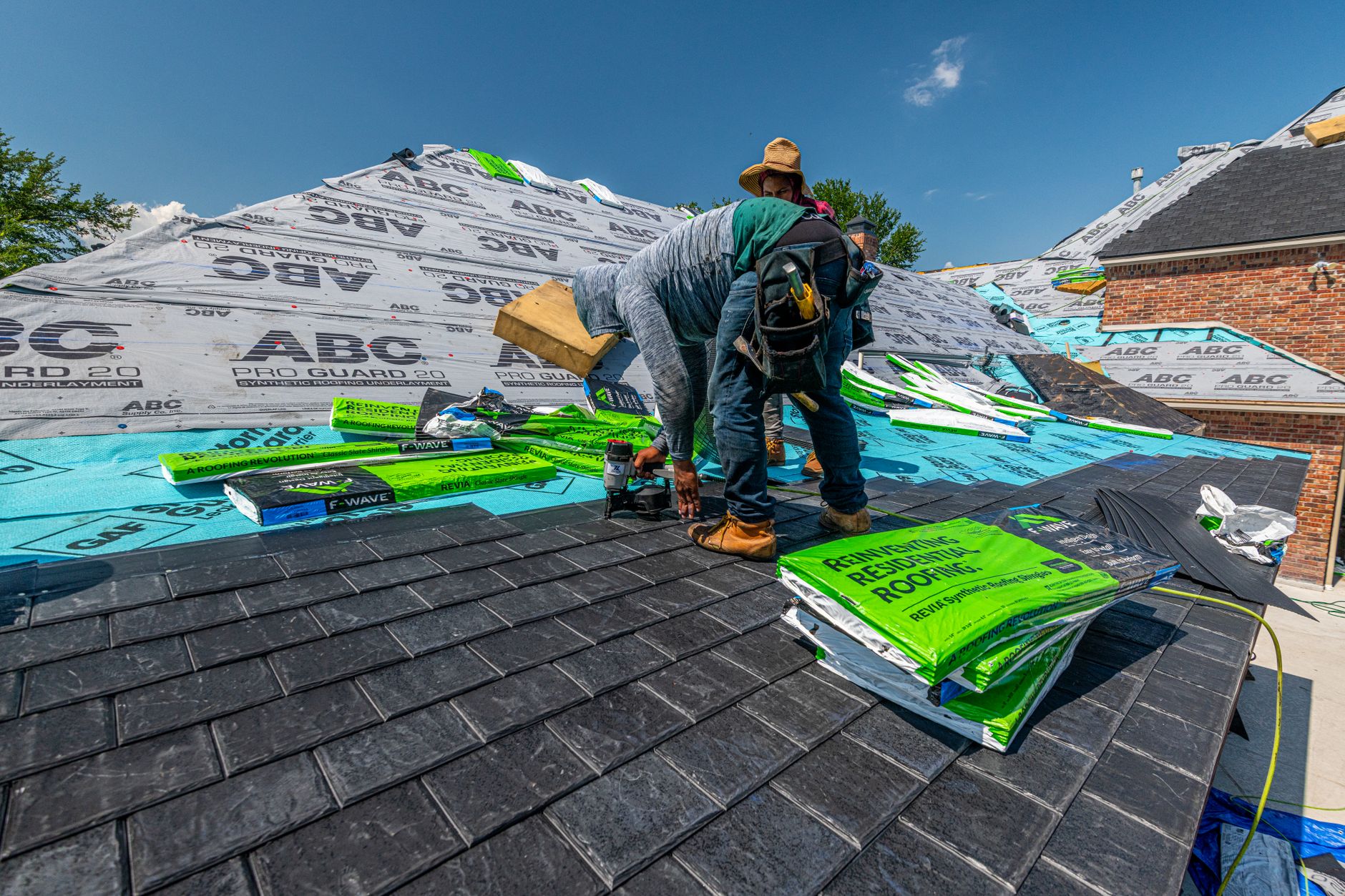
Roofing is a trade where nobody buys on impulse. A homeowner who spots a stain on the ceiling or a few missing shingles after a windstorm is about to spend several thousand dollars, and they want to be sure who they are calling. That is why roofing company social media marketing matters more than many owners expect, because your feed is often the first place a nervous homeowner checks. This guide shows how to use project photos, storm season alerts and customer reviews to turn that quick look into a quote request. If you have been researching an ai website generator for social media for business by industry, the same ideas apply, since tools only help when you know what to post and where to send people. By the end you will have a simple plan a busy owner can keep up with in a few hours a week. None of it requires a marketing degree or a big budget, only steady habits and a few good photos.
Why Homeowners Look at Your Social Feed Before Calling
Most homeowners do a quiet round of checking before they pick up the phone. They search your company name, open your Facebook or Instagram page, and scroll for a minute or two. What they are really asking is whether you are a real company, whether you work in their area, and whether you are still in business. A phone call to a stranger feels risky, so they try to answer those questions on their own first. Your page is often where that private research happens, usually before you ever know someone was interested.
A feed full of recent local jobs answers those questions before anyone has to ask them. When someone sees a tear-off finished last week in a neighborhood they recognize, they relax a little. They see trucks, crews, finished roofs and the names of nearby streets or towns. Each of those details replaces a question they would otherwise put to you on a first call, which means the call you do get starts from a warmer place. The homeowner arrives already believing you are local and active, so the conversation can move straight to their roof. That saves time for both of you and makes the estimate visit feel like a natural next step.
A dormant page does the opposite, and it does so quietly. If the last post is from two summers ago, a homeowner may wonder whether the company has closed, changed hands or simply stopped caring. Nobody wants to hand a deposit to a business that looks abandoned. You do not need a flood of content to avoid this, only a recent, regular trail of real work that shows you are active this month. Even one or two honest posts a week from real job sites can change how a first-time visitor reads your page. The goal is not to impress anyone with polish, but to show that real people are out doing real roofing work right now.
Turning Project Photos Into Estimate Magnets
Your best content is already sitting on your crew's phones. Before and after shots are the strongest format in roofing because the change is obvious even to someone who knows nothing about shingles. Name the neighborhood or town in the caption, for example "Full replacement in the Maple Heights area," so homeowners nearby feel the post was meant for them. People tend to respond to jobs close to home because they picture their own roof next to the one in the photo. A simple, clear image from a street they know will often do more than a polished graphic with a generic slogan.
A photo gets much more useful with a few plain sentences attached. Say what was wrong, such as lifted shingles, failed flashing around a chimney or soft decking under a leak. Then say what you replaced and why that choice fit the house, whether it was a heavier architectural shingle for a windy lot or better ventilation for a hot attic. These short notes show your thinking, and they teach the reader what a good roofing decision looks like. A homeowner who has learned something from you is far more likely to ask you for an estimate.
Collecting a steady supply of this material is a matter of routine. Ask each customer for permission to photograph the job and to share it, and tag them if they are happy to be named. Have a crew lead take a few wide shots before work starts, a couple of detail shots in progress and a clean finish photo at the end. Over a season this gives you dozens of real posts without staging anything. It also gives customers a reason to share your post with their own neighbors, which is the kind of local reach that paid ads struggle to match.
Using Storm Season Alerts Without Scaring Your Audience
Storm season is when roofing attention peaks, and the tone you choose makes all the difference. A calm, practical post ahead of hail or high wind earns more trust than an alarming one. Offer a short checklist for what to look at from the ground afterward, such as missing or curled shingles, dented gutters, granules in the downspouts and loose flashing near vents and chimneys. Remind readers never to climb on a wet or damaged roof themselves. That framing positions you as the neighbor who knows what to look for rather than someone profiting from a scare.
It also helps to explain what an insurance claim inspection actually involves. Many homeowners do not know whether damage is serious enough to call, or what happens when someone comes out to look. A short post can walk through it: an inspector checks the roof surface, flashing and vents, photographs any damage, and writes up what they find so the homeowner can decide on next steps. Be honest that not every roof needs work. That honesty is memorable, and it makes people far more willing to call you when they do have a real problem.
Every storm post should finish with a clear next step. Invite the reader to request a free inspection, and show exactly how, whether that is a button on your page, a phone number or a short form on your website. Fear without a next step leaves people anxious and scrolling, while a simple offer gives them something sensible to do right now. Keep the language steady and specific, mention the areas you cover, and say how quickly you can usually get out to look. A reader who feels calm and informed is the one who actually books.
Building Trust With Customer Reviews and Stories
Reviews carry weight because they come from someone other than you. Pair a review with the photo of that job and a short quote from the homeowner, such as what surprised them or how the crew left the yard. This shows your work in real terms instead of marketing language. A prospective customer can see the roof, read what the owner thought and picture the same experience for themselves. It is a small post that does a surprising amount of persuading.
Stories add something photos alone cannot, which is judgment. Tell the one about the leak caught early because a customer spotted a small stain, and how a modest repair saved them from a full replacement. Tell the one about a difficult tear-off, with layers of old shingles and rotted decking, that your crew handled carefully without surprises on the final bill. These stories show that you advise people honestly and solve problems calmly. Homeowners are not only buying skill, they are buying the sense that you will make good decisions on their behalf.
How you respond to reviews matters as much as the reviews themselves. Reply publicly to every one, thanking happy customers by name and mentioning a detail of their project. When a review is critical, answer promptly, stay polite, acknowledge the issue and explain what you are doing to fix it. Future customers read these exchanges closely, because they show how you treat people when something goes wrong. A thoughtful reply to a negative review can win more trust than a dozen glowing ones.
Making Roofing Company Social Media Marketing Lead to Quote Requests
Every post should carry one specific action. That might be a visible estimate button on your page, a phone number in the caption or a plain sentence such as "Message us for a free roof inspection in the Riverside area." Do not ask for three things at once, since that tends to produce none of them. Match the request to the post, so a storm checklist invites an inspection and a finished project invites an estimate. When the next step is obvious and easy, more of the people who are interested will actually take it.
Consistency beats a single viral video, because roofing decisions unfold over weeks. A homeowner may notice your post in March, think about it after the next rainfall and call you in May. If you posted steadily in between, you were there the whole time, and if you disappeared, someone else got the call. A realistic rhythm is two or three posts a week, mixing project photos, a tip or storm note, and a review. It is far better to keep that pace for a year than to burn out after a month.
Pay attention to what actually brings calls. Note which posts are followed by phone calls, messages or form submissions, and ask new customers how they found you. You will probably see patterns, such as before and after photos from one town outperforming general tips, or storm posts driving a burst of inspection requests. Use those patterns to plan the next month, doing more of what works and trimming what does not. This small habit turns social media from guesswork into a tool you can steer.
Setting Up Your Presence So Visitors Can Act
Social media gets people interested, but your website is where they decide. Your profile should link to a site that states your service area, shows your license and insurance details, and offers an easy quote form. Homeowners who click through want quick confirmation that you work in their town and are properly credentialed. If they have to hunt for that information, many will simply go back to the feed and call someone else. A clean, focused page with a short form removes that friction.
Consistency across every profile prevents lost calls. Use the same business name, phone number, address or service area, and hours on Facebook, Instagram, your Google Business Profile and your website. A wrong number on one old page can send a ready customer to voicemail or a stranger. It is a dull job, but a short audit once a quarter keeps small mismatches from costing you real work. These details also help search engines trust that your business information is accurate.
Finally, make the website match the feed. If your posts show bold before and after photos and a free inspection offer, the contact page should carry the same look, tone and offer. That sameness reassures visitors that they are in the right place and reduces the pause where doubt creeps in. Tools like AI Website Builder can generate a complete, professional site in minutes, so you can have a matching home base without hiring an agency or writing code. Once it is live, your posts have somewhere solid to send people.
Roofing company social media marketing works when it answers the questions homeowners are already asking: are you real, are you local, and can you be trusted with the biggest protection on their house. Recent project photos with the town named, calm storm advice, honest reviews and a clear next step in every post do that job better than any slogan. Keep a steady weekly rhythm, track which posts bring calls, and adjust each month based on what you see. Make sure your profiles share the same name and number, and that they point to a website with your service area, credentials and a simple quote form. Start small this week by photographing your next job, asking the owner for a short quote and posting both with a clear invitation to request an estimate. Do that consistently, and your feed becomes a quiet, reliable source of quote requests from homeowners in your own service area.
The posts where people in your market ask for help with what you do, with a reply written for each from your website.
Find customers in your industry conversations with AI Social Media Outreach →